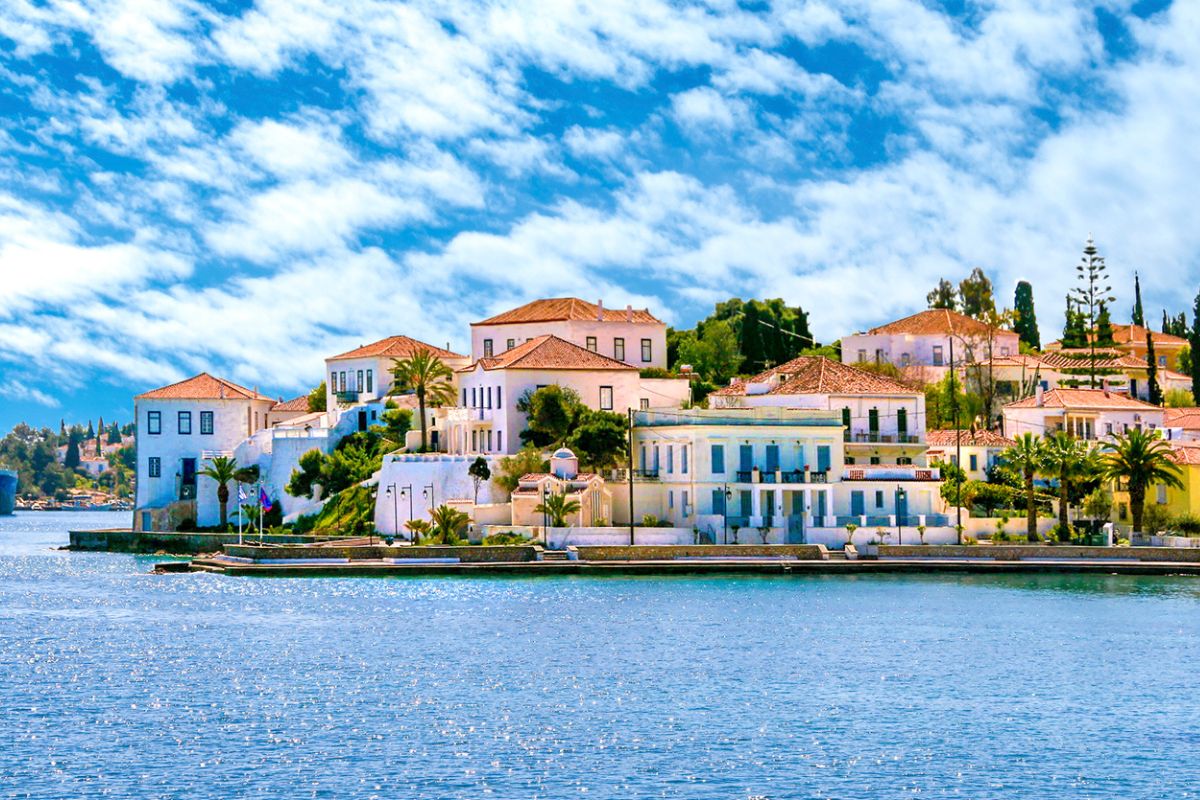
The Other Greece: A 12-Day Private Journey Through Athens, Spetses & Monemvasia
Twelve days in the Greece that does not appear on the island-hopping posters. Three in Athens, then the Saronic Gulf: Spetses, where cars are banned and the captains built mansions, and Porto Heli across the water, which the Greeks who can go anywhere pick for the summer. Then down into the Peloponnese, to the theatre at Epidaurus where a whisper carries to the back row, and Monemvasia, a whole medieval town hidden on the far side of a rock in the sea.
Highlights
This trip is private throughout, and it is built for people who have either done Santorini already or never wanted to. It opens gently: a walking orientation of Athens on arrival day, then the Acropolis, the Acropolis Museum and Plaka with a state-licensed guide. Spetses is the turn: no cars, horse carriages at sunset, Bouboulina’s mansion on the harbour and Zogeria beach when you want nobody around. Porto Heli is where you do very little on purpose, with the marina, the seafood and Spetses fifteen minutes away by boat. Epidaurus is the one people talk about afterwards, a 4th-century BC theatre with acoustics nobody has improved on and the sanctuary of Asklepios beside it, where ancient healing and early medicine met. Monemvasia gets three days, because a town carved into a sea rock, ruled in turn by Byzantines, Crusaders, Venetians and Turks, and reached through a single arched gate, deserves more than an afternoon.
Itinerary
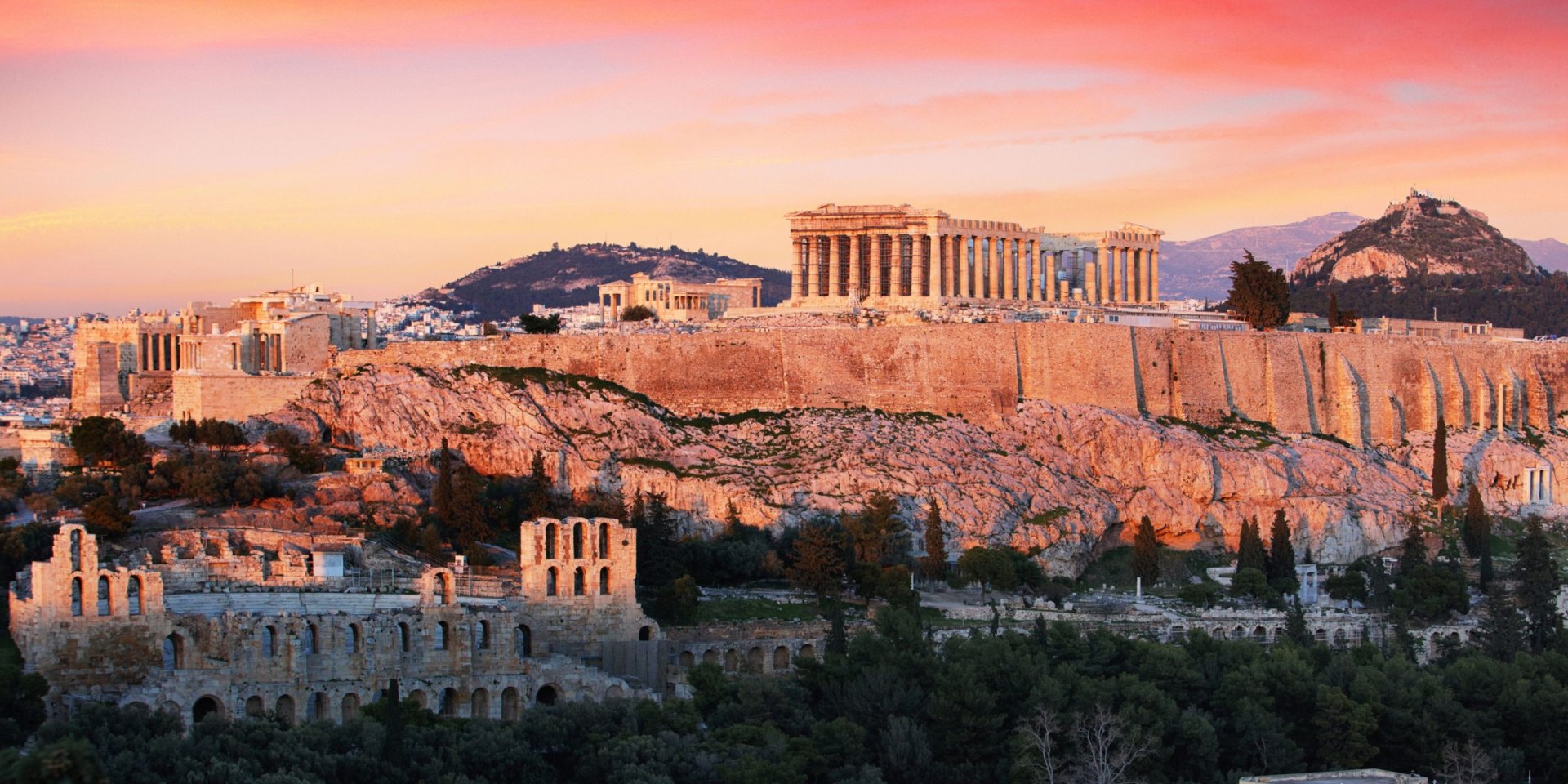
Welcome to Athens, the Greek capital.
One of the oldest cities on earth, the historical capital of Europe, and the place culture, history and philosophy were invented. It is also a modern capital that has no intention of going to bed early. Expect monuments in the afternoon, dinner at ten, and a food tradition you could spend the whole trip eating through and still not finish.
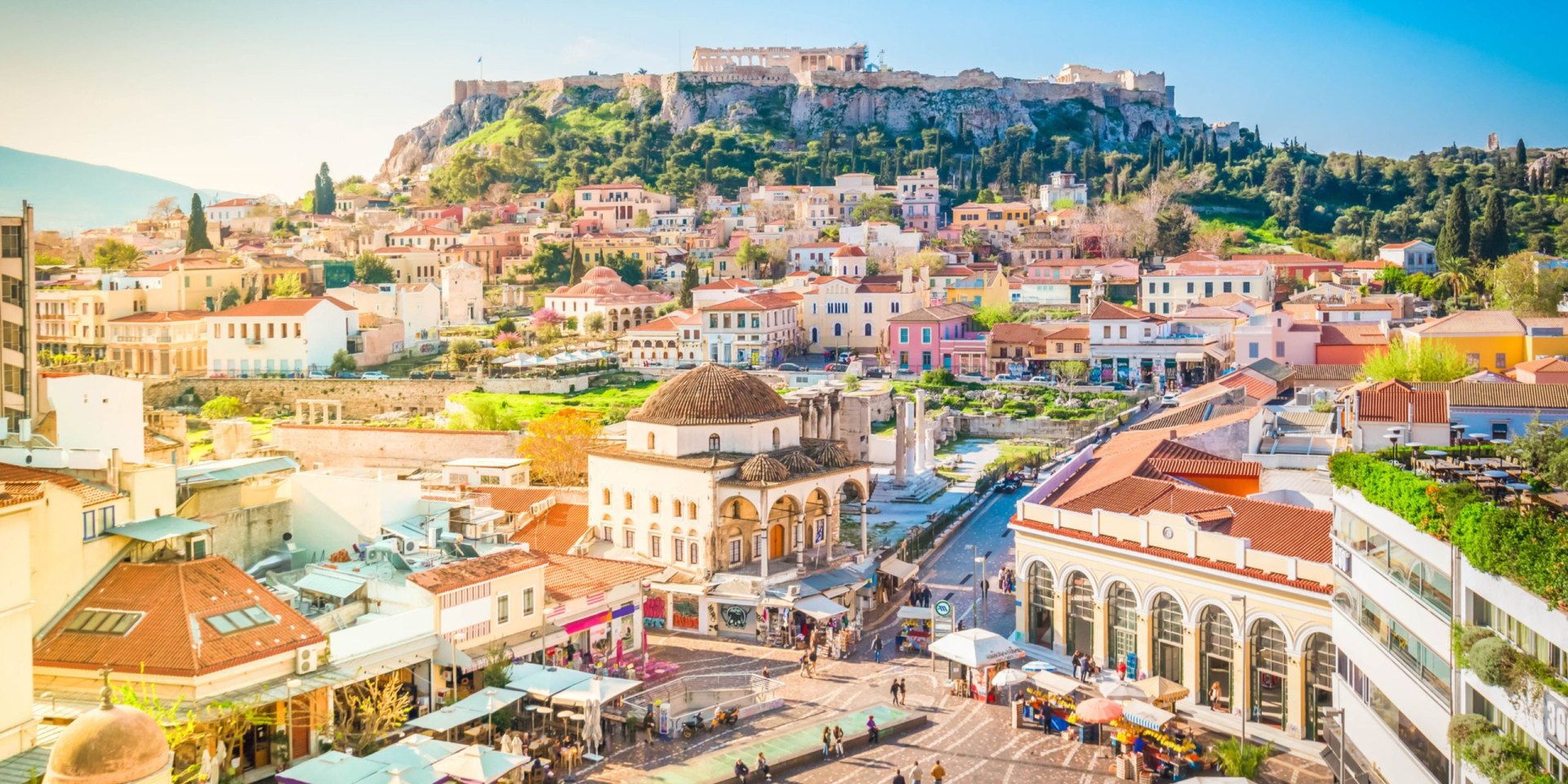
A walking tour built for your first day, when what you want is to stretch your legs and get your bearings rather than climb anything.
Your local guide meets you at the hotel and walks you into the historical centre. You get a feel for a city that has been lived in for 4,000 years, pass the landmarks of both the ancient and the modern town, stop where the views are worth stopping for, and eat the first of many good things.
The useful part is the talking. Your guide answers your questions about the city, the people and the culture, and hands you the practical information for the days ahead: which restaurants, which shops, picked to suit you rather than everyone.
You finish the day knowing your way around, which is the whole point.
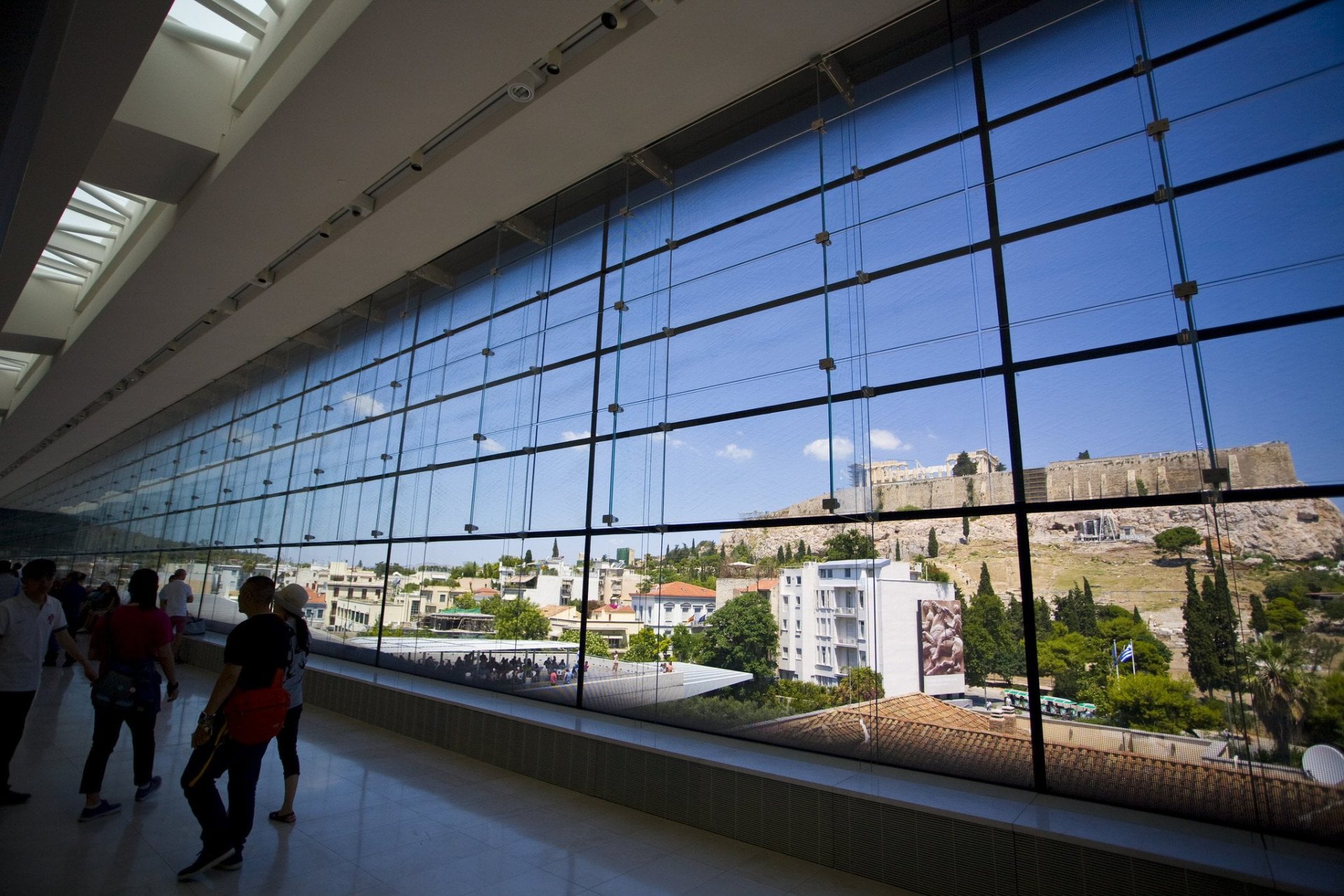
You meet your state-licensed guide and go straight to the reason most people come to Athens. Then the museum built for it, and an hour on foot through the old town, with ruins along the way.
Climb the sacred rock and the Parthenon is in front of you, one of the most important pieces of architecture ever built. Your guide takes you through what Athens achieved up here in its Golden Age, and it lands differently standing on the spot.
Then the Acropolis Museum, which draws visitors from all over the world and earns it. Every floor is full: artefacts, sculptures, antiquities, the depth of the city’s heritage laid out in order.
You finish in Plaka, the old neighbourhood under the rock, with its whitewashed houses and narrow cobbled lanes. Ancient and modern sit on top of each other here without any apparent effort.
To carry on afterwards, ask your guide. Athens has turned itself into a contemporary metropolis without giving up any of its heritage, and folded the ancient parts into the modern city rather than fencing them off.
Inclusions
- 5-hour private guided tour
- Hotel pick-up (walking)
- 2-hour visit to the Acropolis Site
- 2-hour visit to the New Acropolis Museum
- 1-hour Plaka guided walking tour
- Private services of a state-licensed guide
- Entrance fees
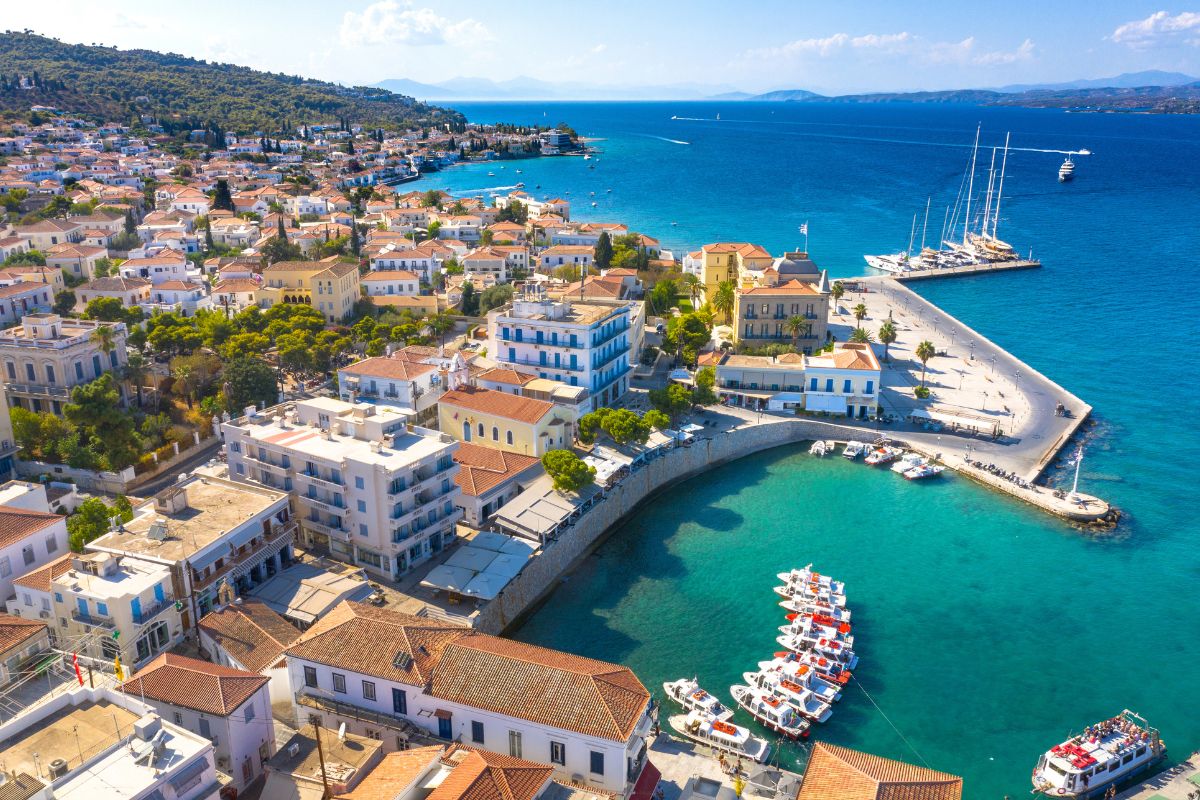
History, natural beauty, a cosmopolitan crowd and water you can see straight through. Spetses is the prettiest island in the Saronic Gulf and close enough to Athens that Athenians come for the weekend.
The alleys of Spetses town are traditional architecture the whole way: neoclassical houses, mansions, and the captains’ houses that were built to be noticed. Cars are banned on the island, which is the single thing you notice most, because it is quiet.
The heart of it is Dapia, the port, and its square, the meeting point for residents and visitors alike. In the middle of Poseidon Square stands the statue of Laskarina Bouboulina. Take a horse carriage through the town if there is any romance in you at all. Go near sunset, when the light does the rest.
This is Spetses, the island of the captains.
Spetses is stylish, has real history and gives you plenty of ways to spend a day.
Start at Dapia, the harbour, for the neoclassical architecture and the noise of a working port. Then the Bouboulina Museum, which is her actual mansion, and the story of a heroine of the Greek War of Independence told in the rooms she lived in. The Spetses Museum is in the Hadziyiannis Mexis Mansion, and its collection runs from antiquity to the 19th century.
For the beach, Agia Marina is the popular one, good for swimming, sunbathing and water sports. Zogeria is the other kind: quieter, further out, and worth the trip for exactly that reason.
In the evening, walk the Old Harbour. Tavernas, boutiques, and the sea in front of you. Between the history, the beaches and the general elegance of the place, Spetses is a rare island that gives you culture and rest in the same day.
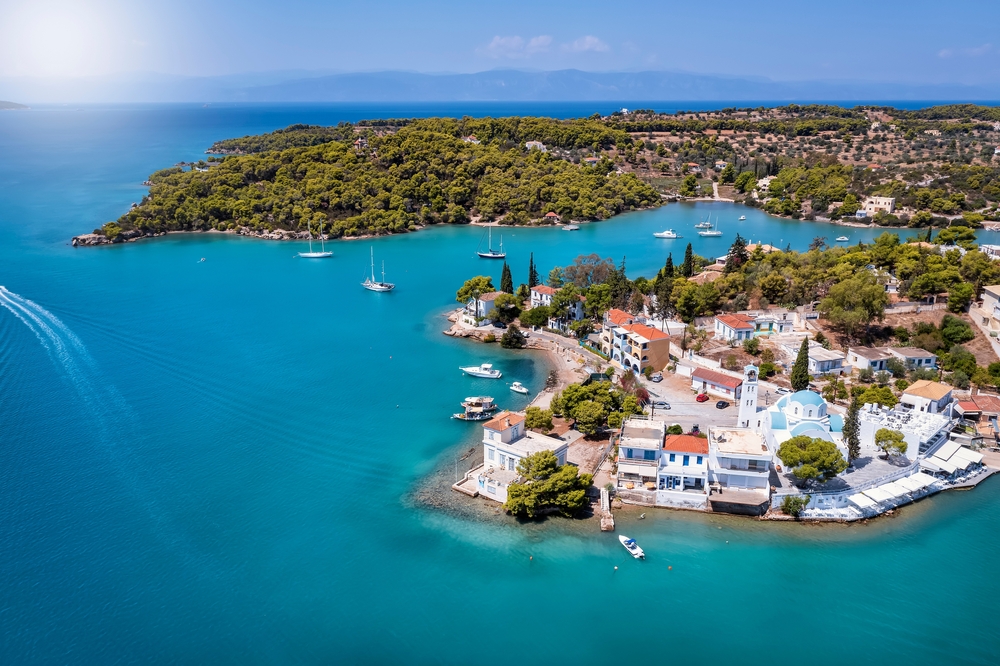
A coastline full of coves, private beaches, water you can see the bottom of, and a crowd that could go anywhere and chose here.
Porto Heli is built around a natural harbour and known as the Monaco of Greece, which tells you who holidays here: prominent Greeks, jet setters, members of European royal families. A brand-new model marina sits in the centre of the bay with serious maritime infrastructure behind it, and Spetses is fifteen minutes away by boat.
The coastal road is lined with shops all the way round to the far side, where the moored boats are. Everything is here: the clear-water beaches, the Mediterranean landscape around them, the famous resorts, the marinas, the fresh seafood, the nightlife, and the view across to Spetses.
This is Porto Heli, where discreet luxury meets the jet setters.
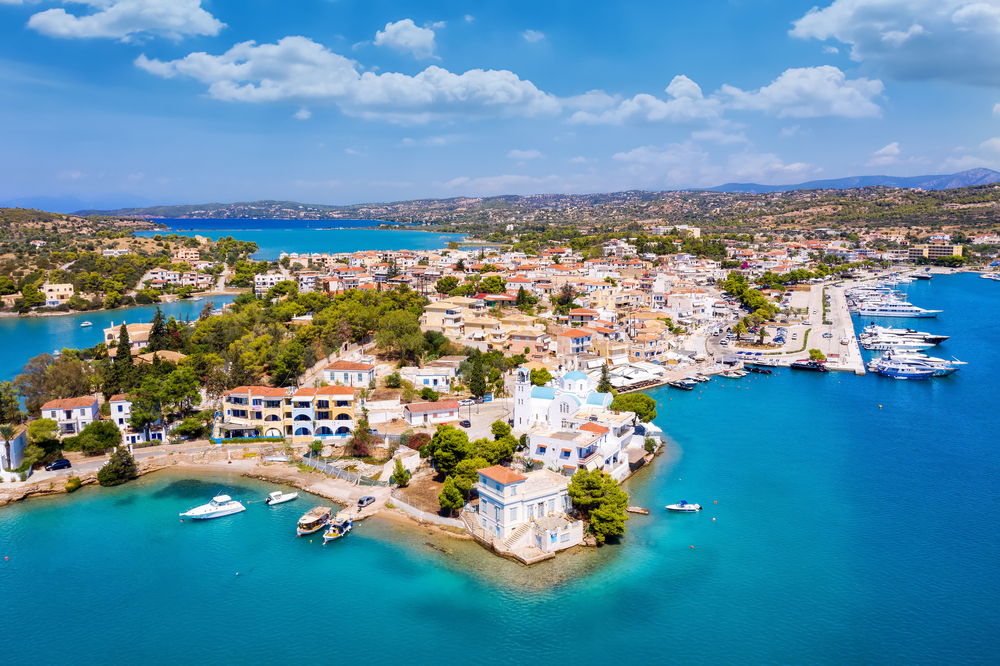
A day with nothing in it, on the eastern coast of the Peloponnese. That is the point.
Walk the marina, look at the yachts, sit somewhere with a coffee. The cafés and restaurants in town do fresh seafood and proper Greek cooking, and there is no reason to hurry over either.
For a beach, Hinitsa Bay and Ververonda are both close and both quiet. And if that is still too much sitting still, a short boat ride puts you on Spetses or Hydra for the day.
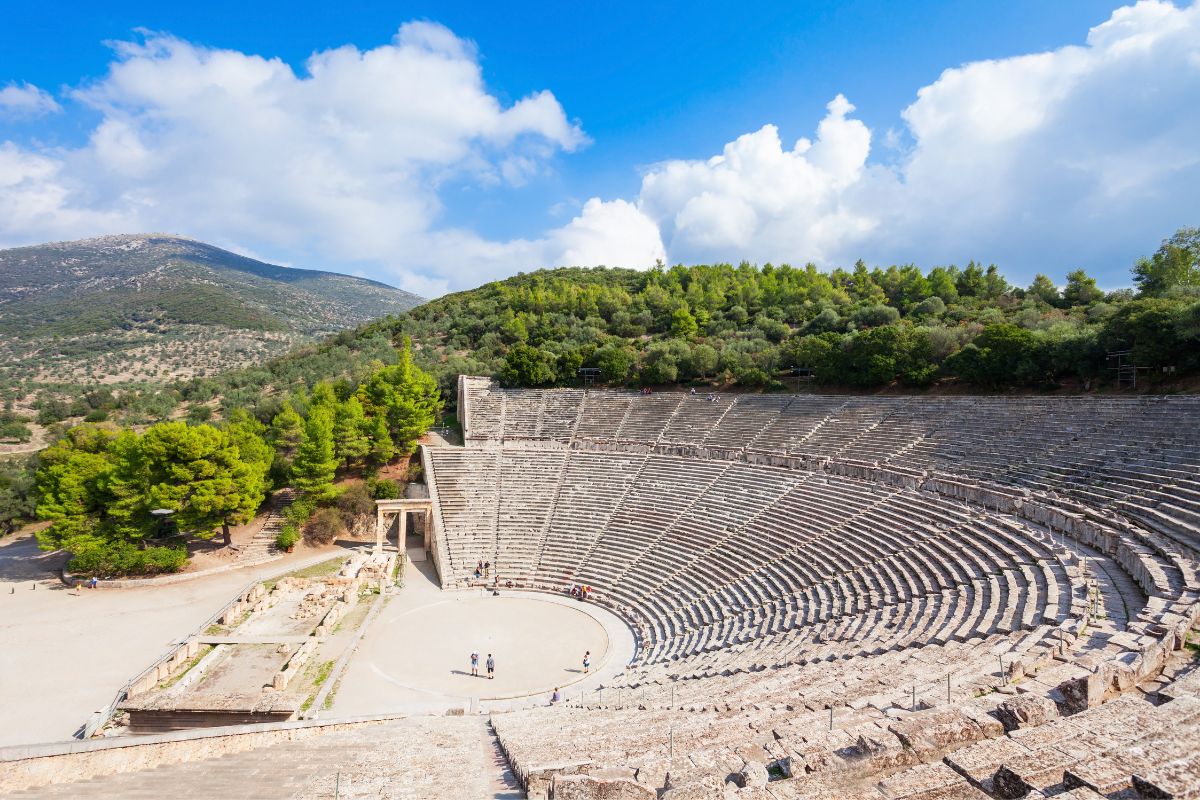
A drive through the green middle of the Peloponnese and then a UNESCO World Heritage site with the best-preserved ancient theatre anywhere.
It was built in the 4th century BC, and the acoustics are what everyone tests: the faintest sound from the centre reaches every seat, right to the back row. It still hosts performances, and they still work.
Epidaurus is also, by myth, where Asklepios was born, the god of medicine and healing and the son of Apollo. In the sanctuary beside the theatre you are standing where ancient medicine happened, at the point where the spiritual and the scientific started to meet. Pilgrims came here from across the ancient world looking for a cure. The temples, healing chambers and sacred baths are still there, and the Asklepian cults that used them are a foundation stone of medicine as a science.
Inclusions
- 1.5-hour private guided tour
- Private services of a state-licensed guide
- Entrance fees
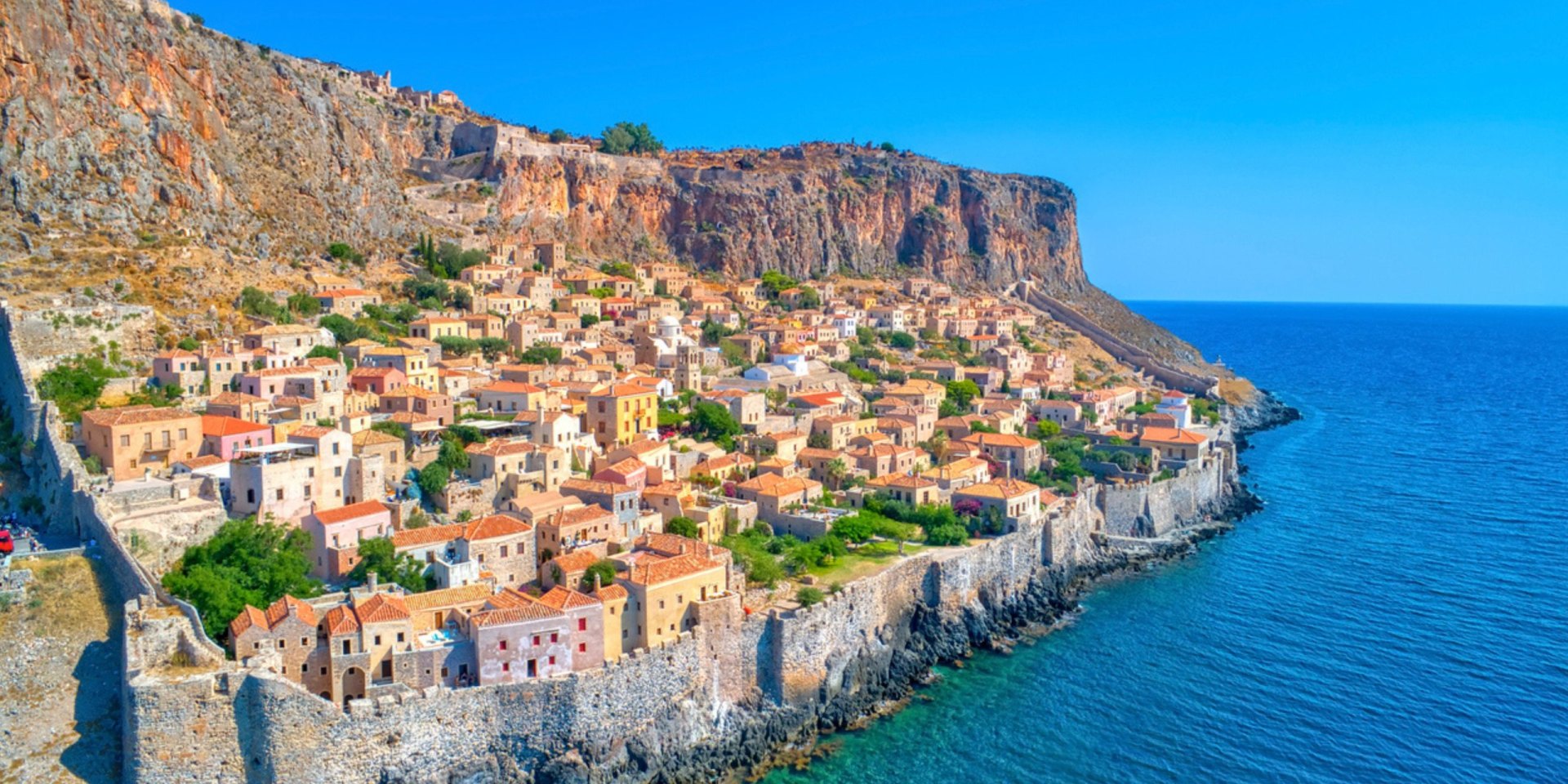
A medieval tower town on the south-eastern coast of the Peloponnese, founded by the Byzantines in the sixth century and built in stone on the edge of a huge rock in the sea.
Time starts running backwards the moment you pass through the gate. The fortress has been held by the Byzantines, the Crusaders, the Venetians and the Turks, which is why it is called the Gibraltar of the East. The streets are narrow cobblestone, the stone buildings have been restored properly, and you can spend the night in a tower and have dinner on the roof of a tower house.
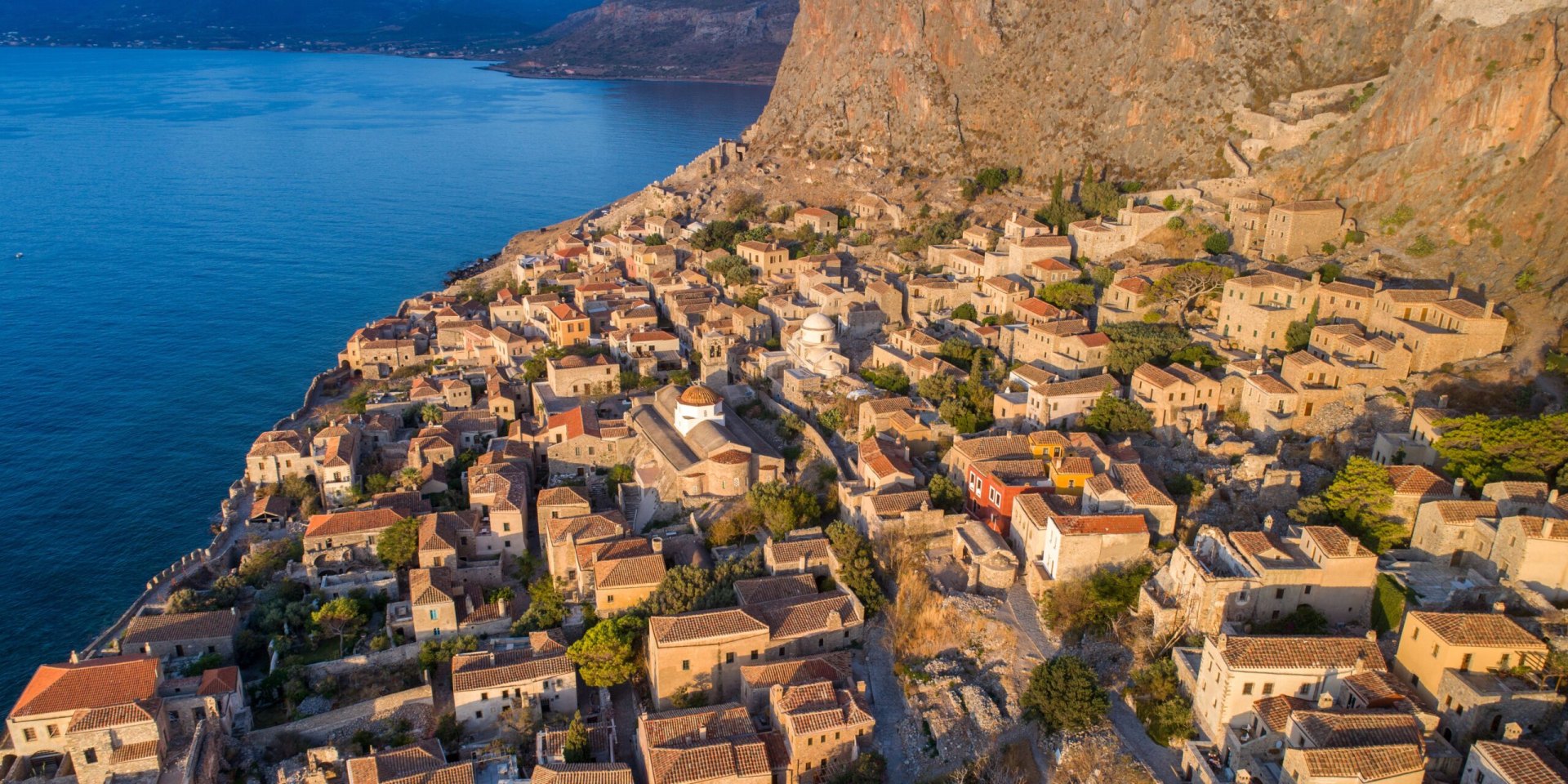
A castle town carved into a sea rock in the medieval period, where Byzantine, Venetian and Ottoman building sit on top of one another and the history is genuinely complicated. In the cobbled alleys you find Byzantine and Venetian churches next to Ottoman remains, a mosque and a hamam among them.
Monemvasia had rich centuries and violent ones. It traded, it was sacked, and it was known in the West as Malvasia, which is where the wine got its name.
Walking through, with the sea breeze coming up over the walls, you get the views and then the churches: Hagia Sophia and Helkomenos, and the ruins spread across the upper and the lower town. Every street here has been walked for a very long time.
Inclusions
- 2-hour private guided experience
- Hotel pick up (walking – on foot)
- Private services of a state licensed guide

A day to walk Monemvasia at your own pace, which is the only sensible way to do it.
Through the arched gateway and you are in a medieval fortress town: cobbled streets between old stone houses, Byzantine churches at the end of them. Climb to the ruins of the upper town, where the Church of Agia Sophia sits on the cliff edge with the sea a long way below.
Down in the lower town there are tavernas, cafés and small shops, so the history comes with lunch. Between the setting and how much of the architecture has survived intact, this is the one place in the Peloponnese nobody should skip.

Today you say goodbye to Greece. The places, the people and the experiences come with you.
You will go back through the photographs and the souvenirs, and work out how to tell people about it. After you arrive at Athens International Airport, you check in for your international flight and leave. The trip is over for now, though that rarely turns out to be permanent.
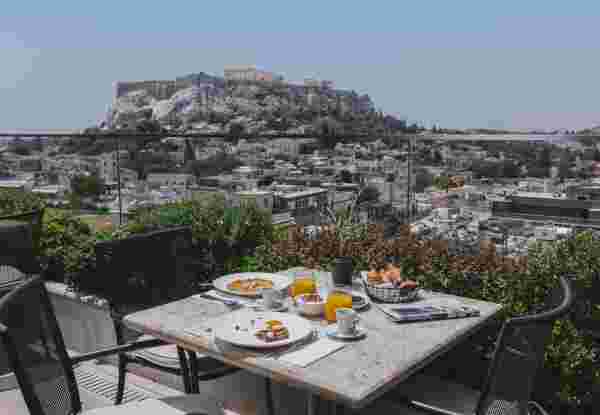
Athens: Electra Metropolis
Electra Metropolis: a refined Athenian luxury experience blending modern Greek design, exceptional hospitality, rooftop gastronomy, spa facilities, and spectacular views of the Acropolis.
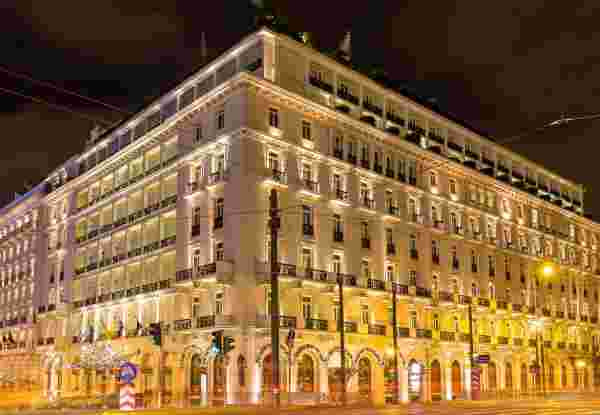
Athens: Grande Bretagne
Hotel Grande Bretagne: A legendary Athenian landmark since 1874, blending timeless elegance with exceptional service, refined suites, Michelin-starred dining, and breathtaking Acropolis views from the heart of Athens.
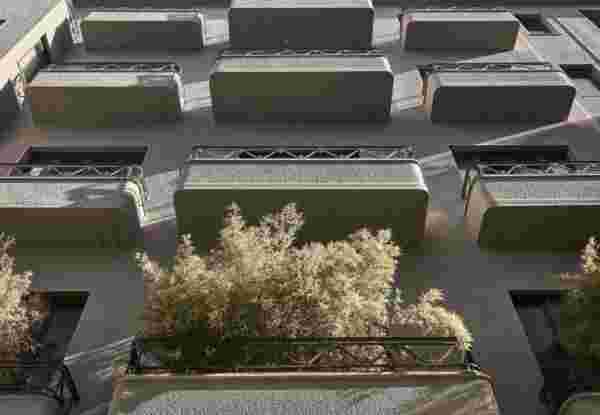
Athens: Perianth
A refined boutique experience in Athens, combining striking design, personalized service, elegant spaces, and a prime location in the heart of the city.
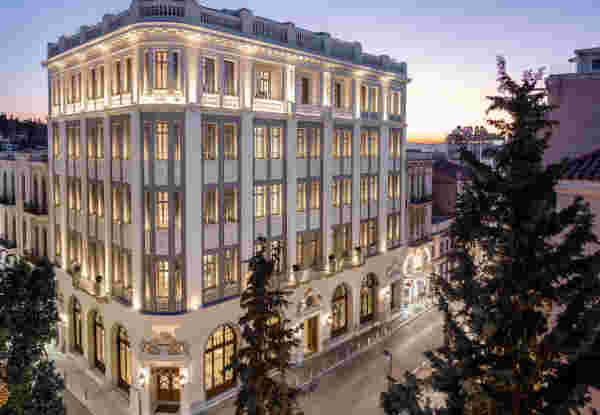
Athens: The Dolli Hotel
The Dolli: a modern icon of Athenian luxury, where artistic design, refined service, exceptional gastronomy, and breathtaking Acropolis views create a truly exclusive stay.
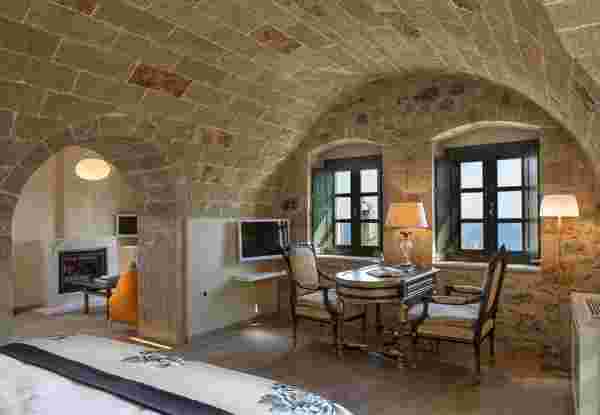
Monemvasia: Moni Emvasis Luxury Suites
An exceptional boutique experience where Byzantine heritage, elegant design, handcrafted details, sea views, and personalized service create a truly exclusive stay in one of Greece’s most enchanting destinations.
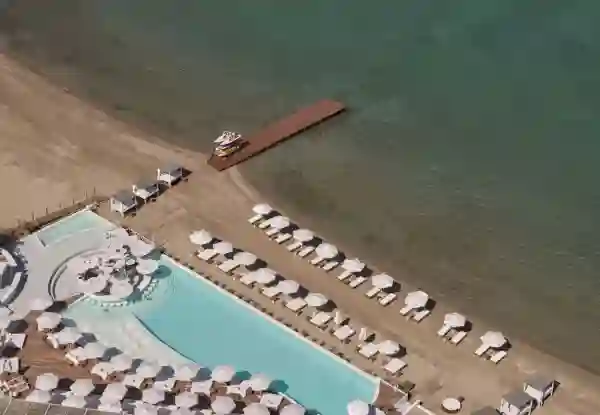
Porto Heli: Nikki Beach Resort & Spa
A refined beachfront experience where contemporary design, personalized service, exceptional gastronomy, wellness facilities, and Aegean views create an elevated Mediterranean escape.
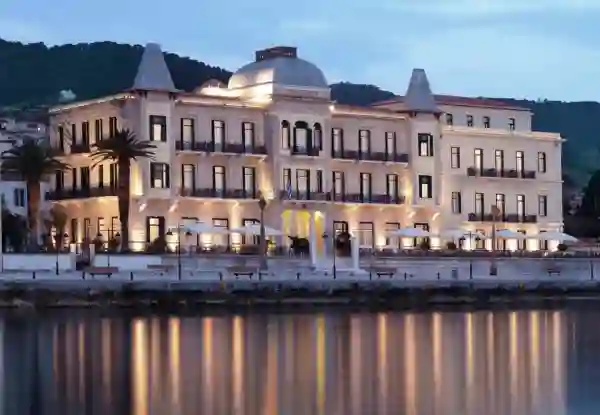
Spetses: Poseidonion Grand Hotel
A true icon of Greek hospitality, offering historic elegance, refined accommodations, exceptional dining, and impeccable service in one of Greece’s most charming island destinations.
Related Trips
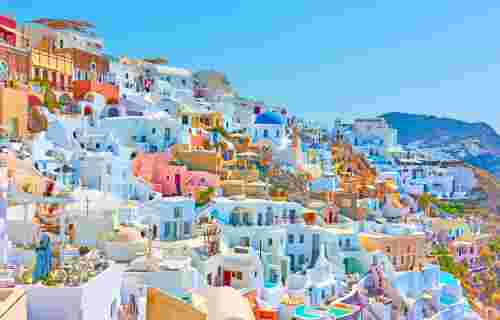
Four Corners of Greece: A Private Two-Week Itinerary Through Athens, Mykonos, Santorini & Crete
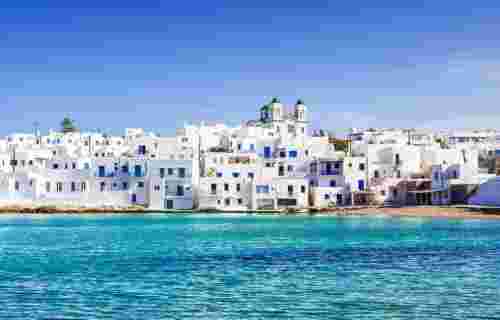
Windmills and White Villages: A 10-Day Private Itinerary Through Mykonos & Paros
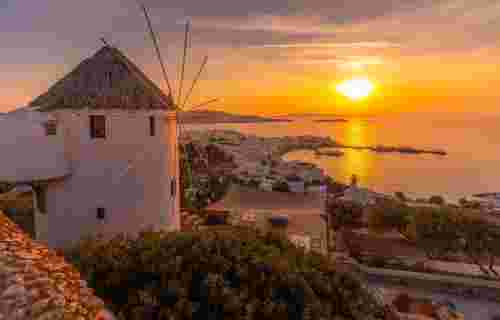
A 7-Day Private Greece Itinerary: Athens, Mykonos & Santorini
Ready to start planning your trip to Greece?
From our blog
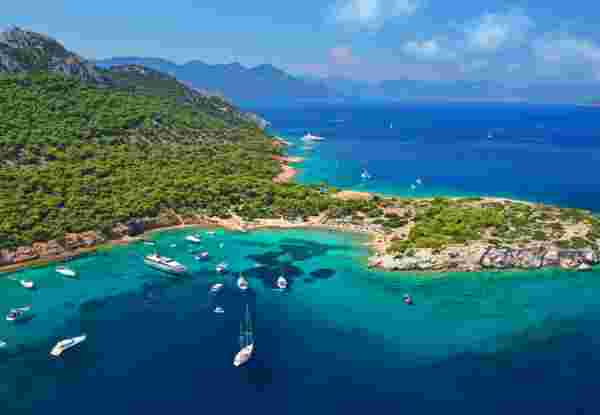
Aegina, Greece: A Practical Island Guide (2026)
READ MORE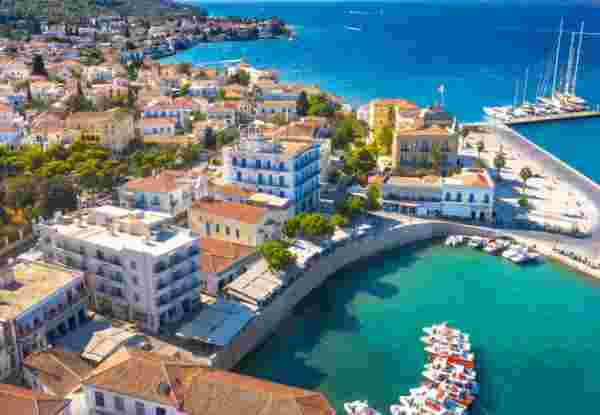
Spetses, Greece: Everything you need to know (2026)
READ MORE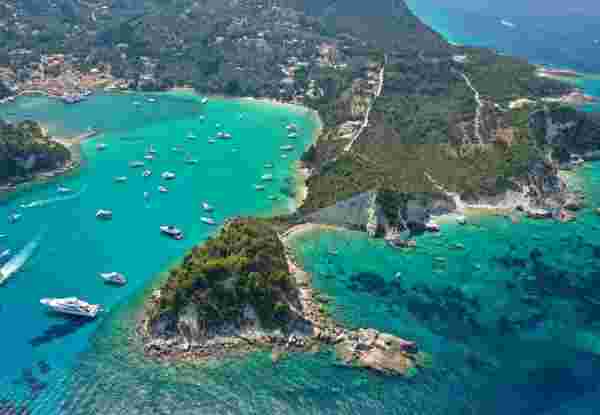
Paxos, Greece: How to Get There, What It Costs, Where to Stay
READ MORE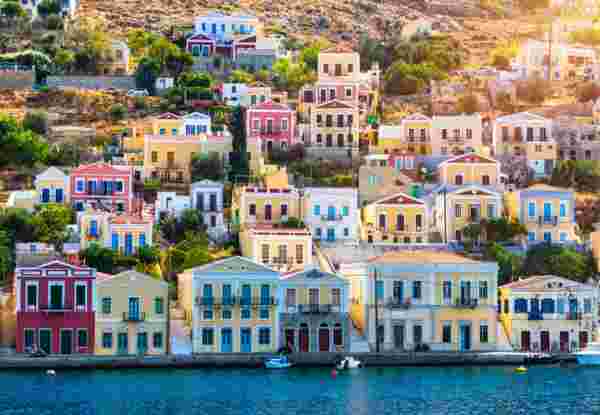
Symi, Greece: What It Costs, How to Get There, Who It Suits
READ MORE
Paradise Beach Mykonos: The Complete Guide
READ MORE
Greece in the Fall
READ MORE
Rome Travel Guide: What to Do, When to go and Where to Go
READ MORE
Which of the 12 Dodecanese Islands Is Right for You?
READ MORE
Greek Islands to Avoid (and Where to Go Instead)
READ MORE
Trip to Italy Cost in 2026: A Real, Itemized Breakdown
READ MOREWhy choose Greece Insiders


