Florence Travel Guide: Best Things to Do, See & Eat
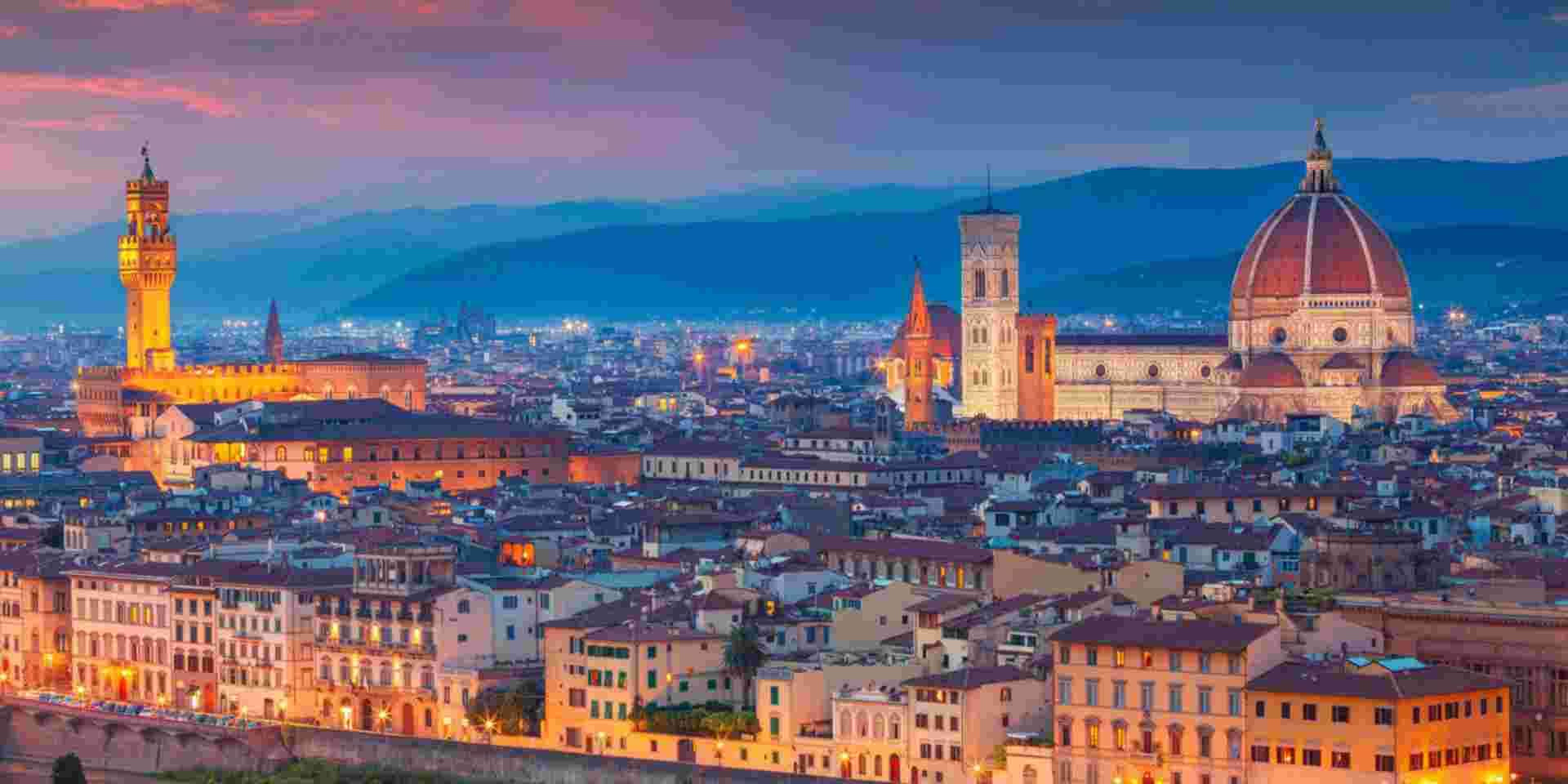
Florence, Italy, is the city of Florence known as the cradle of the Renaissance. This place is full of art, history, and stories that go back many years. The city gives you the chance to see beautiful buildings and some of the best museums in the world. The streets are full of life and color. When you walk through the heart of Tuscany, or stand in front of art created by the powerful Medici family, you will feel how incredible this place is. Your trip to Florence will be a time to remember. This guide will help you get ready to explore the many things waiting for you in this famous city.
Best Time of Year to Visit Florence
Spring from April to June and fall from September to October may be the best times to visit. You will get nice temperatures and not too many people around. This is when you can really enjoy walking through the hills of Tuscany and see famous places like Piazza del Duomo. The fields look full of color, and the mild weather at this time is good for people who want to have a great day out.
In recent years, Florence has become more popular with people coming all year. Summers can be very hot, sometimes over 90°F. The best time to go out and see things then is early in the morning or late in the day. In winter, from December to February, days get cooler, but you will see fewer people. There will be good chances to go to places like the Uffizi Gallery and enjoy it in peace. If you want to be around lots of people, or if you like quiet days, Florence has something for you in any season.
Florence Weather
Florence has a continental climate with hot, humid summers and cold, wet winters. Compared to Rome, Florence experiences colder temperatures and more rainfall during winter, including occasional snow. From December to February, daytime temperatures range from 2°C to 12°C, and nights can be quite cold, so a winter coat is recommended. In summer, temperatures often rise above 35°C. Many locals leave the city for holidays in July and August, so visitors may find several shops and restaurants closed during this period.
How Many Days to Spend in Florence
To really enjoy the city of Florence, you should plan to stay for at least three days. If you try to see everything in less time, you might feel rushed and not get enough time at places like Brunelleschi’s Dome and Ponte Vecchio. You could also miss out on what life is like in Tuscany each day. The city of Florence is not big, so you can see a lot in a few days. You will find historic piazzas, world-famous museums, and more.
If you are lucky enough to have a flexible trip, try to spend five to seven days in Firenze. This gives you time to visit nearby Tuscan places such as Siena and San Gimignano. You will have space in your schedule to enjoy the local food, look for things made by hand, and see hidden spots away from the crowds. The city of Florence is full of art and culture, and it is good to give yourself enough time to truly get to know it.
“One Day Like a Local” — Immersive 24-Hour Itineraries
Spend one great day in Florence like the people who live there. Start in the morning at Piazza Della Signoria. Have an espresso and take in the busy life around you. Walk around Oltrarno, where you will see workshops making things in the same way for many years. Have a simple lunch with food like Bistecca alla Fiorentina at a small, friendly trattoria.
In the afternoon, go see the main sights. Head to Brunelleschi’s Dome. You will get a chance to look at all of Florence from up high. For dinner, eat at a warm rooftop place where you can enjoy Tuscan wine and watch the sunset. After that, walk at night through quiet alleys or find a hidden garden. You can eat gelato you get from a local shop to end your night.
Top Landmarks to Visit in Florence
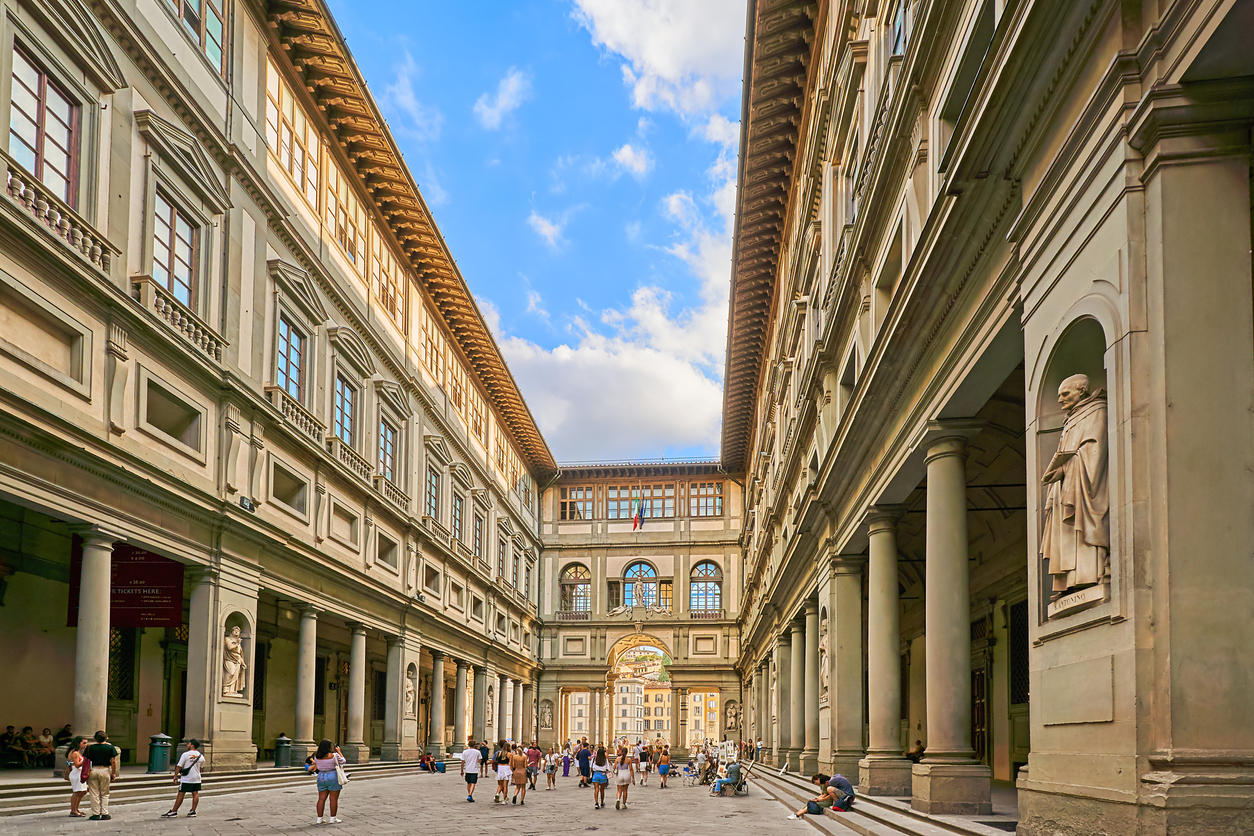
Florence gives you a trip that is full of Renaissance beauty. Start by seeing Ponte Vecchio. This old bridge has many small jewelry shops and it made it through World War II. Also, you can look up and see Brunelleschi’s Dome. This is an amazing building that shows the new ideas in art from Tuscany. Walk through Piazza Della Signoria to find more to see. There, you get an open-air museum. You will see famous sculptures by Michelangelo and the big Palazzo Vecchio. All these landmarks show the story of Florence. They mix art, history, and the life of the city for you and your trip.
Florence Cathedral (Florence Duomo) and Brunelleschi’s Dome
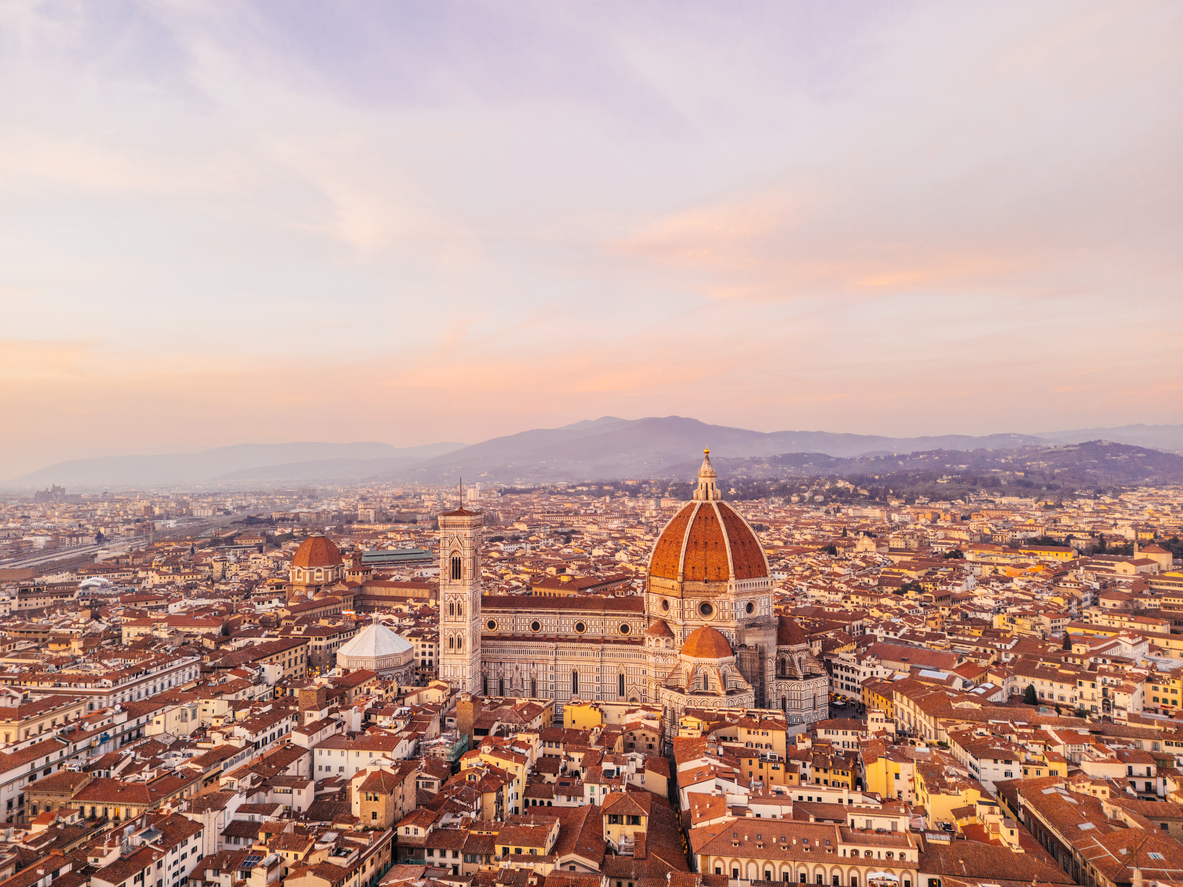
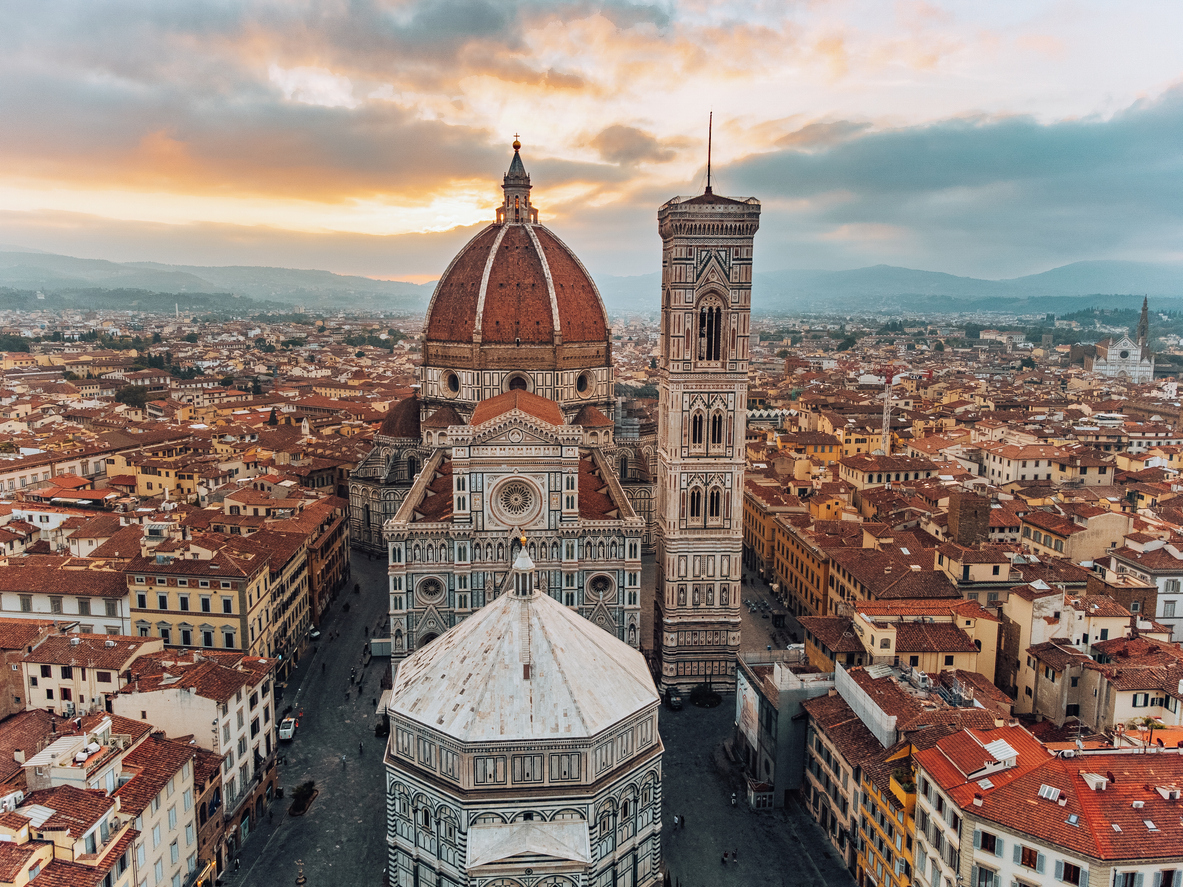
The beautiful Florence Cathedral, called the Duomo Florence, is a key part of the skyline in this city known as the cradle of the renaissance. Brunelleschi’s Dome stands out as a big achievement from the 15th century. It amazes visitors with its smart building methods. When you go inside, you see the detailed work and talent that show the spirit of the Medici family. These details also share the city’s long and history. If you stand at the Piazza del Duomo, you can feel how grand and important this famous cathedral is for Florence. The moment you visit, you get an experience you will not forget.
Uffizi Gallery and Masterpieces of Renaissance Art
The Uffizi Gallery is one of the top places to see art from the Renaissance. It was built in the 16th century by Giorgio Vasari. This building is special to Italy and shows off the power of the Medici family and other big names in history. As you walk through the halls, you will see art by Michelangelo and Leonardo da Vinci. You will also find Botticelli’s famous painting, “The Birth of Venus.”
This gallery is full of art that changed the world. It shows the culture and new creative ideas that came out of Tuscany and other parts of Italy. If you visit early in the day, there are fewer people inside, so you get a better look at each artwork. The Uffizi Gallery sits close to Piazza Della Signoria. It is proof that Florence cares about keeping the Renaissance alive. Make sure you take some time to see this amazing museum when you are in the area, along with the other great sights nearby.
Where to Stay in Florence: Neighborhoods
Florence has several neighborhoods that cater well to visitors, each offering a different atmosphere and experience.
Oltrarno
Cross the Arno River to discover Florence’s most authentic quarter, where artisan workshops and old-world charm thrive. Less crowded than the main tourist zones, it offers a romantic glimpse of traditional Florentine life.
Santa Croce
The heart of Florence’s nightlife and dining scene, this vibrant area buzzes with energy day and night. Expect a mix of locals and tourists enjoying lively piazzas, trattorias, and cultural landmarks.
Santa Maria Novella
Centered around the Florence’s train station, this practical base blends affordability with convenience. While the station area is commercial, nearby streets reveal Renaissance beauty and local flavor closer to the river.
San Giovanni (Centro Storico)
Florence’s historic core packs iconic sights like the Duomo and Ponte Vecchio into walkable streets. Ideal for first-time visitors, but prepare for crowds and higher prices.
San Marco
A quieter, budget-friendly zone near the Accademia (home of Michelangelo’s David). With a residential vibe and university energy, it’s perfect for cost-conscious travelers who want easy access to attractions.
Best Hotels in Florence Italy
Florence, known for its unmatched concentration of art and architecture, also offers a wide range of unique places to stay. From luxurious hotels with Renaissance-era details to charming and affordable guesthouses, the city caters to all tastes and budgets. Whether you prefer staying in the heart of the historic center or in the quieter hills nearby, there are plenty of well-located options. For a more artistic and laid-back atmosphere, consider accommodations in the Oltrarno district, just south of the river.
Collegio alla Querce, Auberge Resorts Collection, Florence
Collegio alla Querce, part of the Auberge Resorts Collection, offers a peaceful escape from Florence’s busy city center. Set on a hilltop, this elegant hotel provides stunning panoramic views of the city’s red rooftops and historic domes. It gives guests a sense of space and calm after a day of sightseeing, echoing the experience of early Grand Tour travelers who admired Florence from above.
Soprano Suites
Soprarno Suites, set in a 16th-century palazzo, is ideal for those who love vintage style. The hotel combines playful, upcycled decor—like train seats and old typewriters—with original architectural details such as frescoed ceilings and exposed beams. Its 13 spacious rooms offer both character and comfort, while the relaxed lounge, filled with books and eclectic market finds, creates a cozy, inviting atmosphere.
Grand Hotel Minerva
Grand Hotel Minerva is best known for its rooftop heated pool offering panoramic views of Florence, including the Duomo. Set in a 13th-century palazzo redesigned by Carlo Scarpa in the 1950s, the hotel features Art Deco-style rooms and a welcoming atmosphere. Its prime location on Piazza Santa Maria Novella places guests near key attractions, including the famous Officina Profumo-Farmaceutica di Santa Maria Novella, perfect for souvenir shopping.
Villa San Michele, A Belmond Hotel, Florence
Villa San Michele, a Belmond Hotel in Florence, sits on a hillside in Fiesole and offers sweeping views of the city. Housed in a former 15th-century monastery with a Renaissance façade inspired by Michelangelo, it combines historic charm with modern elegance. Guests can dine on the loggia with panoramic views, relax by the large hillside pool, or explore the gardens and nearby forest trails on Monte Ceceri—where Leonardo da Vinci is said to have tested his flying machine.
Ottantotto
Ottantotto is a charming boutique hotel located in Florence’s Oltrarno district, near Palazzo Pitti and the Boboli Gardens. With just seven rooms spread over four floors, it offers a mix of classic and contemporary decor—think antique furnishings, cotto floors, and unique design touches like a headboard set in a stone mantlepiece. Guests can enjoy a peaceful garden for breakfast and an honesty bar in the lounge. The hotel has a self-service vibe, with automated check-in and limited reception hours, making it ideal for independent travelers seeking affordable comfort.
What to do in Florence: Alternative Experiences
Exploring the cradle of the Renaissance shows you another side of this city. If you go past the busy piazza del duomo, you can find some quiet places. One of them is the Museo San Marco. Here, you will see art from the 15th century. Take a walk over the beautiful Ponte Vecchio. On this bridge, there are shops where people have made and sold things for many years. You can also join some local workshops. Try things like leather crafting or learn to cook meals like the people here do. These activities help you get to know the real Tuscan way of life. It goes beyond what most people see when they visit during the renaissance. This way, you don’t just visit the place. You get to be part of it.
Parks and Gardens in Florence
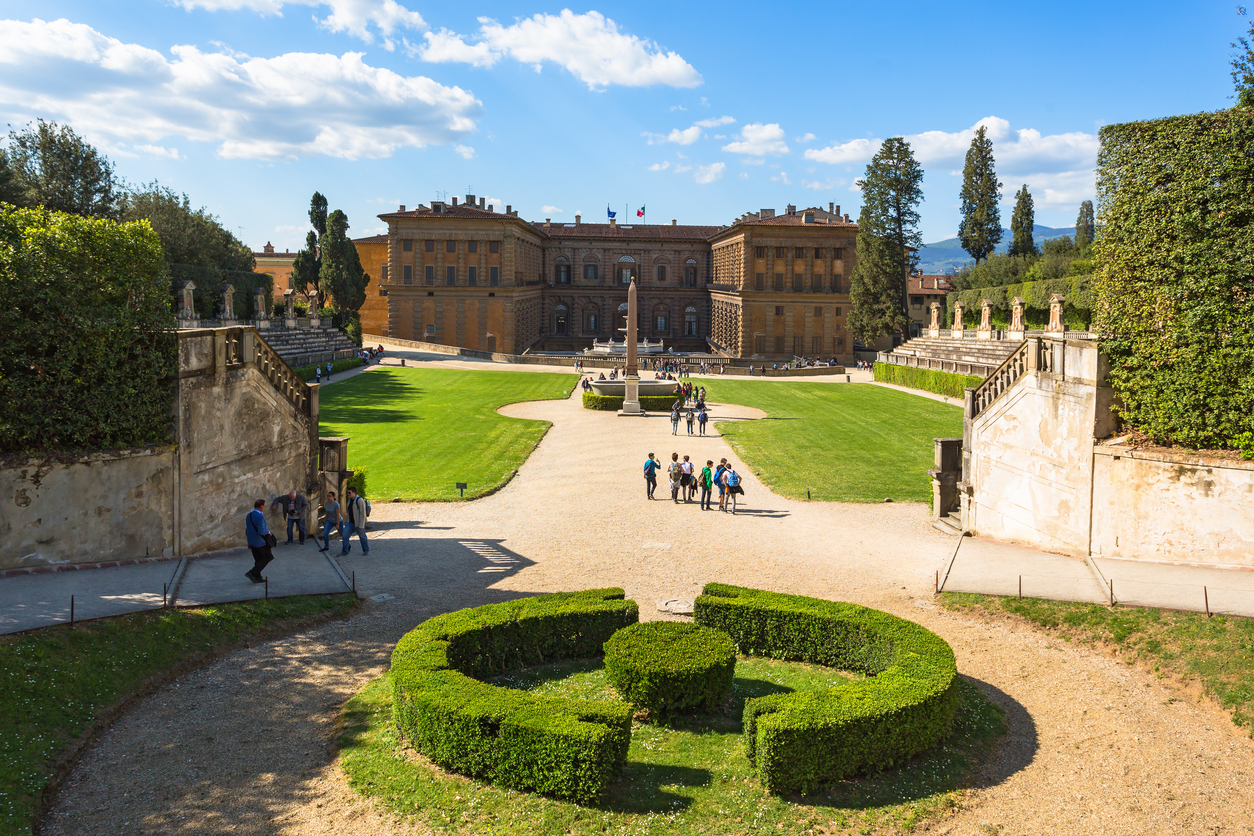
Florence has some great parks and gardens where you can get away from the busy streets. The Boboli Gardens show what the renaissance was all about, with large green spaces, winding paths, and big fountains. Near these, Bardini Gardens give you a wonderful view of the city and let you see part of Florence’s old love for plants and gardens. Walking through these green places in Florence, you get to enjoy both the beauty of nature and the art that made this place the cradle of the renaissance.
Hiking and Nature Trails in Tuscany/Florence
In the heart of Tuscany, there is a set of hiking and nature trails that welcome everyone. You can walk down lovely paths that go through vineyards and olive trees. These paths show you great views of Siena and other old towns, as well as the famous Ponte Vecchio. Many of these trails pass by historical places and give you a look at the area’s Renaissance past. As you explore, you might see local animals and enjoy the peace the cradle of the Renaissance can offer.
Things to do in Florence for Foodies
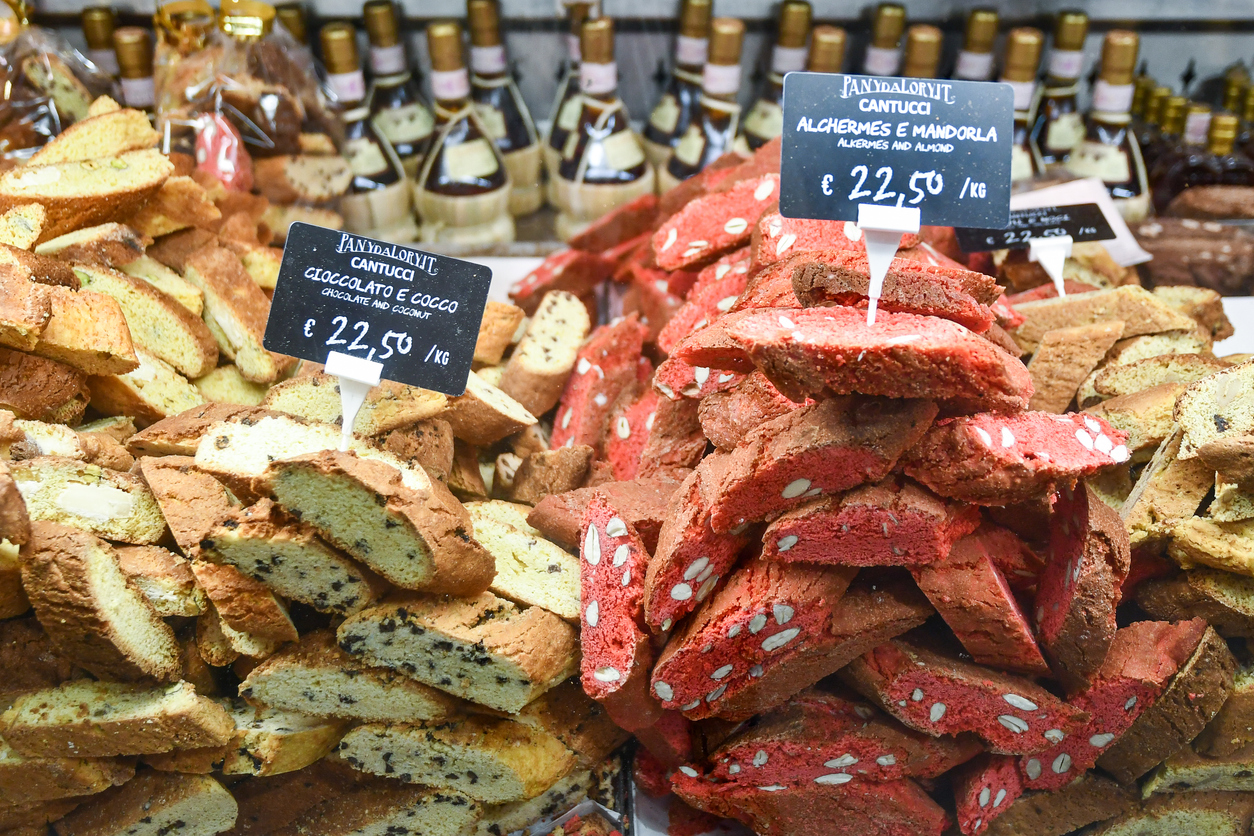
Exploring the food scene in Tuscany is a treat for the senses. Every dish in this place has a story. You will see true Florentine tastes in old recipes, some of which go back to the Renaissance. These recipes are all about local ingredients and family traditions. If you enjoy wine, there are many great Chianti bottles to try. These wines are perfect with foods from this region. When you go to markets, join cooking classes, and take vineyard tours, you get to meet the people and really get to know the culture. Let’s explore the things to do in Florence Italy, for foodies.
Must-Try Florentine Dishes and Cafés
Tasting the food in Florence is a big part of any trip in Italy. The city has some famous dishes. One of them is Ribollita. It is a thick soup made with beans and vegetables. It has deep flavors that show what Florence is all about. If you like meat, you should also try Bistecca alla Fiorentina. This is a thick T-bone steak that many people love. Don’t forget to stop by the cafés that line the streets. Old places like Caffè Gilli and Caffè Concerto still serve handmade pastries and strong espresso. These cafés are a good place to learn about the culture and see what the city has to offer. Florence is often called the cradle of the Renaissance, and you can feel its history when you visit these spots.
Wine Tasting and Culinary Tours in Chianti
Exploring the Chianti region is a good way to see what Tuscany has to offer. People can take part in wine tasting at top wineries. This is where you get to try Chianti Classico and Brunello di Montalcino wines. When you drink these wines with some local Tuscan food, it makes the time even better. Both taste and history come together that way. Guided tours can also take you to see small, pretty villages. You get to learn more about the culture of this place in Italy. Learning about the food of the region will give you something you remember for a long time.
Wine Windows in Florence
Florence’s charming buchette del vino, or wine windows, are small arched openings carved into the walls of Renaissance buildings, once used to serve wine directly to locals. Scattered across the historic center and especially concentrated in neighborhoods like Santo Spirito and the Oltrarno, these windows are a unique part of the city’s architectural and cultural heritage. While some are tucked away and easy to miss, others have been revived and are now serving wine—and even gelato or coffee—once again.
Santo Spirito is particularly known for its authentic atmosphere and urban palaces dotted with wine windows, while the city center boasts many nestled into grand Renaissance facades. The Oltrarno, just south of the Arno River, is another hotspot for spotting these historic features.
Today, several wine windows operate as active spots for locals and visitors. Babae in Santo Spirito is a popular stop offering a selection of wines, including orange wine. Near Piazza Santa Maria Novella, Osteria Belle Donne is known for its picturesque location and historic charm. Close to the Duomo, Cantina de’ Pucci draws tourists with its locally produced wines, while De’ Bardi Ristorante in the Oltrarno serves Tuscan wines and cocktails through its officially recognized window. Other notable spots include Il Latini, with a wine window on a pedestrian street, and Fiaschetteria Fantappié, where guests can enjoy outdoor seating and wine from the window. Fishmood Pietra Bianca in Piazza de’ Peruzzi adds seafood and a chalkboard menu to the experience, and Gelateria Vivoli, near Santa Croce, rediscovered its wine window after the 1966 flood and now serves gelato and coffee through it.
To truly enjoy the tradition, take a relaxed stroll through Florence’s historic neighborhoods and keep an eye out for these windows. Some will have signs or chalkboards, and others may require a knock or a ring of a bell.
Florence’s Historic Cafes and Culinary Traditions Beyond Food
Cafés in Florence are much more than just places to get a quick coffee. They are the heart of the city, where people come together and talk as the coffee is poured. Places like Café Gilli and Caffè Paszkowski show off the area’s deep roots. They mix food traditions with amazing stories from the past. Locals and visitors both enjoy the cradle of the renaissance here. Many times, they might not even notice the art right in their coffee cups. These cafés have stories about the Medici, too.
Best Restaurants in Florence
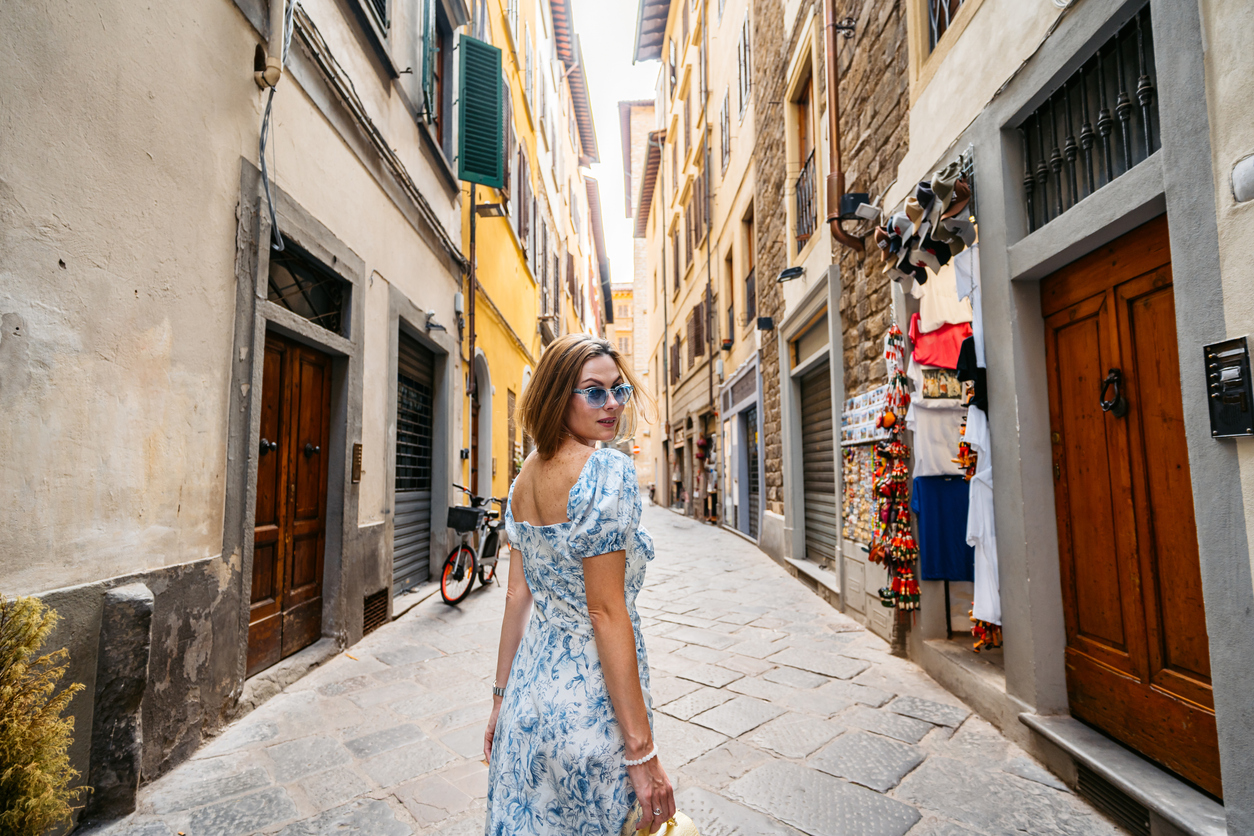
This guide breaks down the Florence’s restaurants by dining experience—classic trattorias, refined white-tablecloth spots, innovative small plate kitchens, and modernist fine dining. With so many options, you’ll have no trouble finding a place that suits your taste, whether you’re looking for traditional comfort or culinary experimentation.
Traditional Trattorias in Florence
Here are a few great traditional trattorias in Florence:
- Trattoria Sergio Gozzi stays true to traditional dishes, though it’s gotten busier over time.
- Trattoria Mario offers a lively, no-frills atmosphere and honest cooking.
- Alla Vecchia Bettola, a bit off the main path, is worth visiting for its famous penne alla vodka.
- Antico Ristoro de’ Cambi is known for its Tuscan classics and great steak, often with easier table availability.
- La Casalinga in the Oltrarno is a local favorite for comforting, family-style meals and a good wine list—best to book ahead.
Osteria-Style Restaurants in Florence
Osteria-style restaurants in Florence offer a cozy atmosphere and deeply rooted culinary traditions. Here are some standout options:
- Cibreo Bistro is a local favorite, especially for its tagliolini cacio e burro and standout desserts like cheesecake and flourless chocolate cake.
- Vini e Vecchi Sapori serves standout dishes, with the saffron zucchini flower paccheri being a must-try.
- Club Culinario da Osvaldo is praised for its authenticity and commitment to regional Italian flavors—perfect for diners who appreciate deeper culinary traditions.
- Il Magazzino Tripperia is known for its tripe dishes and has built a cult following.
- L’Brindellone, located in the Oltrarno, remains one of the best value-for-money spots in the area.
Traditional White Tablecloth Restaurants in Florence
Traditional white tablecloth restaurants in Florence provide a more refined dining experience while still honoring local flavors. Here are a few top choices:
- Buco dell’Orafo, tucked near Ponte Vecchio, remains reliable year after year. Highlights include tender rump steak with rosemary and pecorino, seasonal fried bites, and classics like pappa al pomodoro.
- Trattoria da Burde, though a taxi ride away, delivers family-style Tuscan cooking and has an excellent wine selection.
- Trattoria da Ruggero stands out for its chicken liver crostini and comforting red sauce dishes—just skip the seafood.
- Cibreo Ristorante offers a more polished version of its sister spots, with thoughtful service, refined presentation, and a true special-occasion feel.
Contemporary Restaurants in Florence
Contemporary restaurants in Florence bring innovation and fresh energy to the city’s dining scene. Here are some standout options:
- Enoteca Spontanea focuses on seasonal small plates and fresh pasta, paired with natural wines handpicked by the sommelier-owner. It’s intimate and popular, so reservations are a must.
- Cu-cina brings a botanical approach to cooking in a stylish, Nordic-inspired setting.
- Nugolo puts a fresh twist on Tuscan cuisine, offering bold flavors, regional wines, and warm, thoughtful service.
- Oltrarno Osteria, from the team behind Pitti Gola, blends artistic flair with elevated comfort food.
- Il Santo Bevitore remains a staple of Florence’s modern dining scene, known for its moody atmosphere, creative dishes, and strong local following.
Fine Dining Restaurants in Florence
Fine dining restaurants in Florence blend modernist creativity with global influences, offering unforgettable culinary experiences. Here are some top choices:
- Gucci Osteria, led by a team connected to Massimo Bottura, offers a refined menu with influences from Mexico, Japan, and Italy.
- Saporium appeals to fermentation enthusiasts, featuring experimental dishes with miso and more—while the adjoining bar serves upscale small plates.
- Locale Firenze combines cutting-edge cuisine with a vibrant atmosphere and a cocktail bar ranked among the World’s 50 Best.
- Enoteca Pinchiorri remains one of Florence’s most prestigious and Michelin-starred destinations.
What to Know About Museum Tickets and Reservations
When you visit Florence’s most famous museums, like the Uffizi Gallery and the Accademia, you need to plan ahead. These places often ask you to get a timed ticket, mainly when there are a lot of people around. It is best to buy your tickets online before you go. This can save you a lot of time. Some museums also have skip-the-line tickets. These let you relax more during your visit. Sometimes, there are shows about treasures from the Renaissance or the cradle of the renaissance. You will need a different ticket for these. Get ready to explore the history and amazing art in the place people call the cradle of the renaissance!
Major Events and Festivals: Historic Football, Puccini Festival
Florence comes alive during its big festivals, showing the world its mix of history and culture. The Calcio Storico is an old football game that takes you back to the 15th century. Here, the players wear traditional clothes, and the crowd gets to see the energy from long ago. There is also the Puccini Festival in Torre del Lago, not far from the city. At this festival, people enjoy beautiful opera songs and remember the famous composer. These events are about more than fun. They let the city council and local people keep the art and history of Florence strong.
Modern Art, Fashion, and Contemporary Culture in Florence
Florence brings old and new art together in a lively way. The city is known as the cradle of the Renaissance, but you will also find fresh ideas everywhere you go. Places like the Museo Marino Marini show both new art and work from the Renaissance. This gives visitors different ways to look at art in the city. Fashion is also part of what makes Florence so exceptional.
In the city’s streets, boutiques and local designers mix the old Tuscan style with new, modern looks. This mix of old and new makes the style stand out to everyone who comes here. All of this creates a busy and creative place for people to enjoy art. Florence is not just about the past. It is now a lively, exciting hub for creativity. When you visit, you see the mix of artistic styles that keeps the cradle of the Renaissance full of new life.
Fashion Etiquette and Everyday Style for Tourists in Florence
Knowing how to dress in Florence, the cradle of the Renaissance, is important for any tourist. The city has a long history and is full of art, so what you wear should show respect for this place. Try to pick clothes that fit well. Clothing that looks simple but smart is better than wearing very casual clothes, especially if you are going to a place with a lot of history. When you use the right accessories, like a nice scarf or a classic leather bag, these can make your look better and help you fit in with the elegant style that goes back to the 15th century and the days of the Renaissance.
Shopping and Fashion in Florence
Walking through the beautiful streets of Florence shows you just how exclusive the shopping and fashion are in this city. Known as the cradle of the renaissance, Florence is full of shops and artisan studios that go back to the 15th century. You will see this history every time you look at the people and the buildings around you. You can visit popular shops right on the Ponte Vecchio or look for something different in the Oltrarno area. People who love fashion will like how the city mixes new looks with styles from the time of the renaissance. This mix is what makes shopping in Florence stand out from other places.
Day Trips from Florence to Tuscany
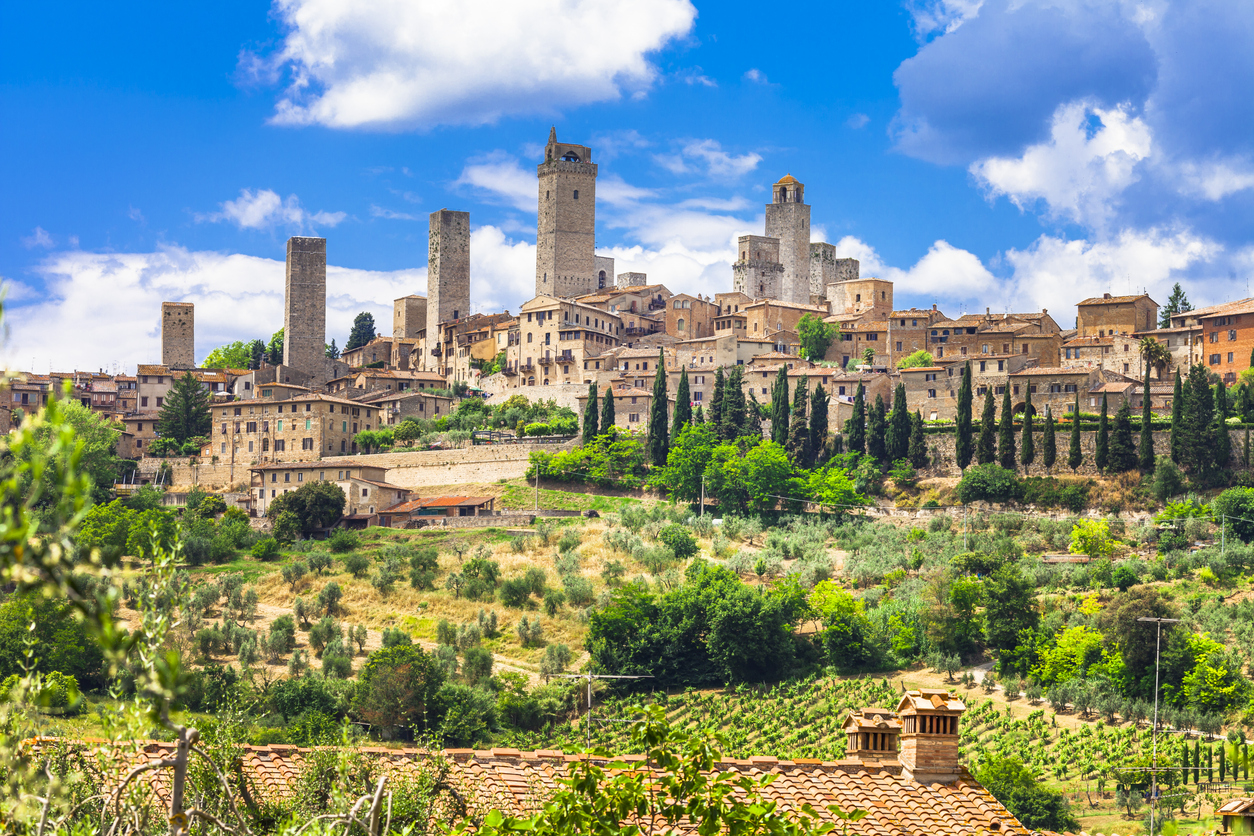
Exploring beyond the city lets you find places full of the beauty of Tuscany. You can visit San Gimignano, with its famous medieval towers, and get a sense of what life was like in the 15th century. Siena stands out for its beautiful buildings and old streets. If you love being outdoors, you will enjoy the hills and vineyards in Chianti, which are perfect for relaxing trips. Taking a day to go to these places will not only make your time in Florence even better, but also let you see more of Italy’s past and amazing views.
Getting from Florence to Other Major Cities in Italy
Florence is located in central Italy, making it a convenient base for visiting other iconic destinations in the country. Thanks to Italy’s reliable high-speed rail network and scenic roadways, travelers can easily explore cities like Rome, Milan, Venice, and the picturesque Cinque Terre. Below is a guide to help you plan your route from Florence to these top locations.
Florence to Rome
The fastest and most convenient way to get from Florence to Rome is by train. High-speed trains operated by Trenitalia (Frecciarossa) and Italo take around 1.5 hours, departing frequently throughout the day from Santa Maria Novella station. Driving is also an option, with the journey taking about 3.5 hours via the A1 Autostrada. However, keep in mind that traffic and parking in Rome can be challenging. Buses are available as a budget-friendly alternative but take longer, averaging 4–5 hours.
Florence to Milan
Traveling from Florence to Milan is quick and efficient thanks to Italy’s high-speed trains. The journey takes approximately 1 hour and 45 minutes, making it ideal for a day trip or weekend visit. Trains depart regularly from Florence’s main station and arrive at Milano Centrale. Driving from Florence to Milan can take around 3.5 to 4 hours, depending on traffic, and gives you the flexibility to stop at cities like Bologna or Modena along the way.
Florence to Cinque Terre
Cinque Terre is a group of five coastal villages located along the Ligurian coast, and it makes for a stunning trip from Florence. The most common route involves taking a train to La Spezia (around 2 hours), then switching to a regional train that stops at each Cinque Terre village. Driving is possible but less recommended due to narrow roads and limited parking. Many travelers opt for guided day trips or tours that handle the logistics for you.
Florence to Venice
Getting from Florence to Venice is straightforward with the high-speed train service, which takes about 2 hours. Trains leave regularly and arrive at Venice’s Santa Lucia station, placing you right at the edge of the Grand Canal. Driving takes longer—around 3.5 to 4 hours—and requires parking at the edge of Venice, since the city itself is car-free. If you’re planning a longer itinerary, consider stopping at Padua or Bologna en route. Three of our trips spend time in Florence: seven days of family discovery in Florence, a 7-day cultural journey through Florence for seniors and a journey through Rome and Florence.
Final Thoughts
Florence is known as the cradle of the Renaissance. It has a deep history and culture. Every part of the city has its own story. You will see the famous cathedral and walk through pretty streets. There is so much to find here, and it is more than what you see in other places. You can enjoy the lively local life, try Tuscan food, and look at all the art in this beautiful city. When you walk on the Ponte Vecchio or find what the Medici left behind, you feel like you go back in time. Florence will make you use all your senses and want to see even more.
Feeling Ready?
From our blog
Aliki Beach, Paros: Three Beaches, One Name
READ MORE
Ioannina, Greece: The Lake City Between Athens and Corfu
READ MORE
Kalamata, Greece: How to Get There, What to See, When to Go
READ MORE
Logaras Beach, Paros: Where to Swim When the Sun Bites
READ MORE
Athens to Santorini: Ferry or Flight? (2027 Guide)
READ MORE
Athens to Santorini: Ferry or Flight? (2027 Guide)
READ MORE
Piso Livadi Beach, Paros: Sand, Tavernas and the Boat Out
READ MORE
Aegina, Greece: A Practical Island Guide (2026)
READ MORE
Spetses, Greece: Everything you need to know (2026)
READ MORE