Greece in the Fall
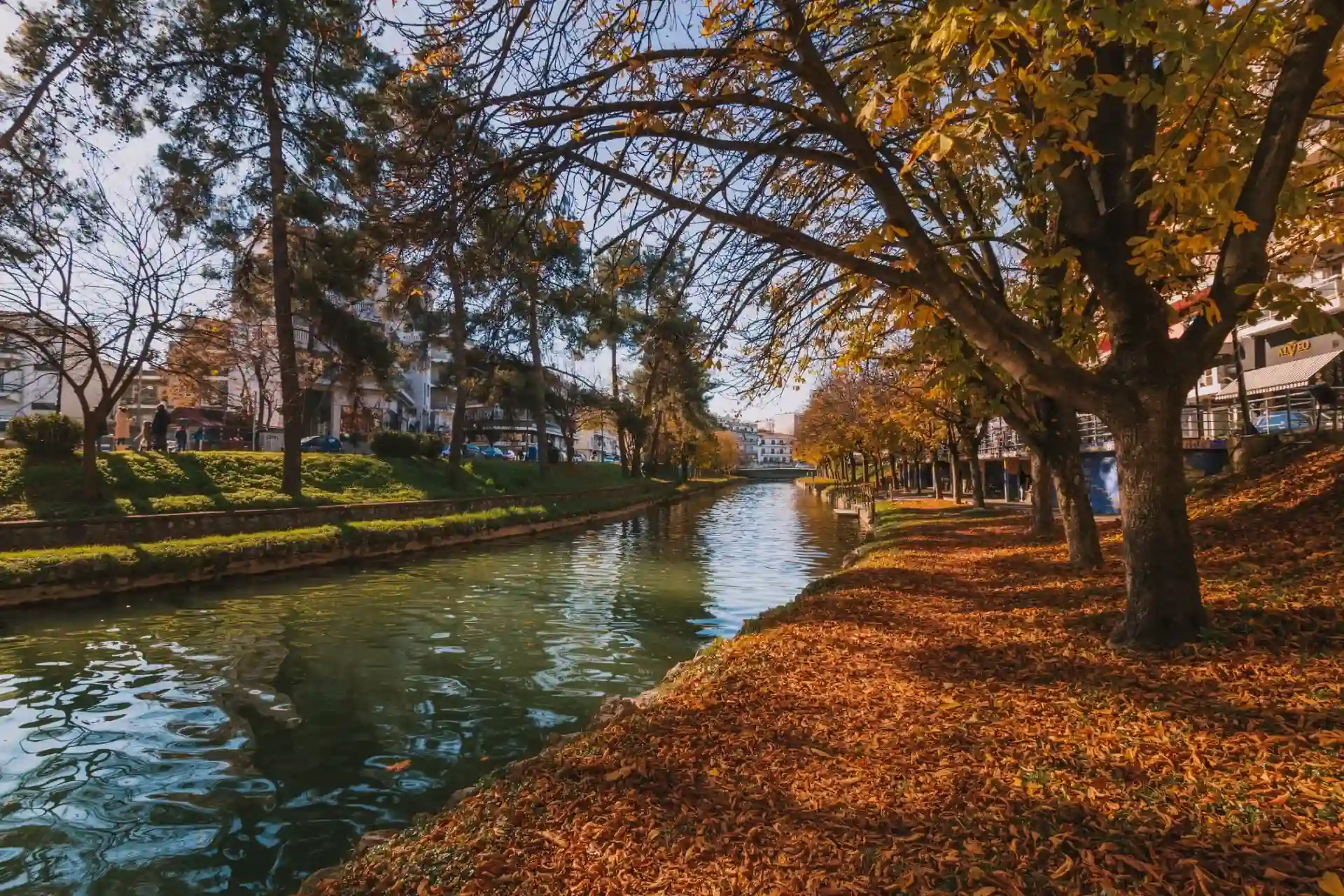
Greece in fall is one of the best seasons to visit the country. The reason is the warm sea, the pleasant weather and the thinner crowds. Conditions are comfortable enough to walk around and explore. The fall season stretches from a mild, sun-loving September, to a cooler October, and a silent, truly autumnal November. Each month is perfect for a different type of holiday.
This guide breaks down what to expect in Greece every month, so you can enjoy your vacation at the time that suits you best. You will get a thorough weather comparison of Greece’s main regions and advice on which places stay warm the longest. We will also offer tips on what to pack and practical information.
Is Greece Good to Visit in the Fall?
Greece is definitely one of the greatest places to travel to during the fall. In fact, many people even prefer it over summer. The sea remains warm enough for swimming up until the end of October. The weather is mild and you can enjoy places like Santorini, Mykonos and the Acropolis without the big crowds of the summer season.
Besides, fall is the time of year when farmers harvest their fields. Thus, you will be able to enjoy fresh local fruit and vegetables as well as wine festivals all over the islands and the mainland. On the downside, ferry connections become less frequent in November and some small island businesses may close down for the winter season.
Weather in Greece in the Fall: Month by Month
Weather in Greece in the fall varies from region to region, more than most guides reveal. Crete is still warm enough for swimming for weeks after Athens starts getting cooler. Rains arrive in the Peloponnese earlier than in the Cyclades.
The table below breaks down average air temperature, sea temperature, and rainy days for each region in September, October, and November. This way you will be able to quickly figure out where the season is holding and where it is already shifting.
| Region | September (Air / Sea / Rain days) | October (Air / Sea / Rain days) | November (Air / Sea / Rain days) |
| Athens & Mainland | 28°C / 24°C / 2 days | 23°C / 22°C / 5 days | 18°C / 19°C / 9 days |
| Cyclades (Santorini, Mykonos) | 26°C / 24°C / 1 day | 22°C / 22°C / 4 days | 17°C / 19°C / 8 days |
| Crete & Rhodes | 27°C / 25°C / 1 day | 24°C / 23°C / 3 days | 19°C / 20°C / 7 days |
| Ionian Islands (Corfu, Zakynthos) | 27°C / 24°C / 3 days | 22°C / 22°C / 7 days | 17°C / 19°C / 12 days |
| Peloponnese | 27°C / 23°C / 3 days | 22°C / 21°C / 6 days | 16°C / 18°C / 10 days |
Is October Specifically Worth It?
Yes. Keep in mind though that early and late October are pretty much two different trips. Early October is still very much summer-like: warm sea, sunny days, and most of the islands running at full speed. By late October, the change becomes quite visible. The evenings get cooler, ferry timetables are cut down, and the small islands begin to close up for the season.
If you want to swim and enjoy a fully vibrant island life, go for the first two weeks. However, if you like peaceful sightseeing and don’t mind bringing a jacket, late October is perfectly fine for you.
Best Regions for Fall Weather
Not every place in Greece experiences the fall season the same way. Your location can be a factor as to whether you will be swimming in late October or putting on a jacket in September. Here is a guide to the season for the different parts of Greece, from the cool days in mainland cities to the southern islands that keep the summer the longest.
Athens & Mainland
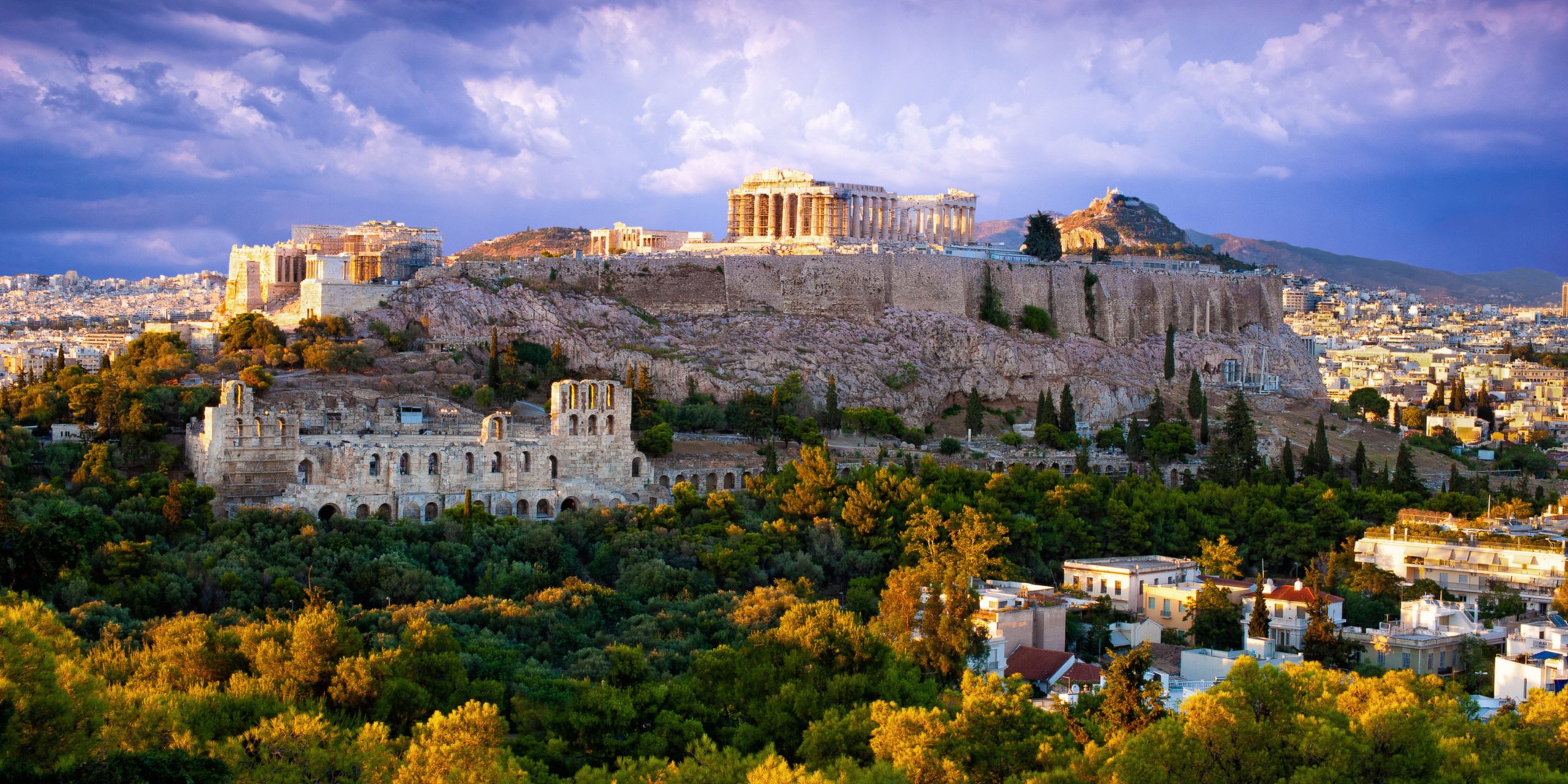
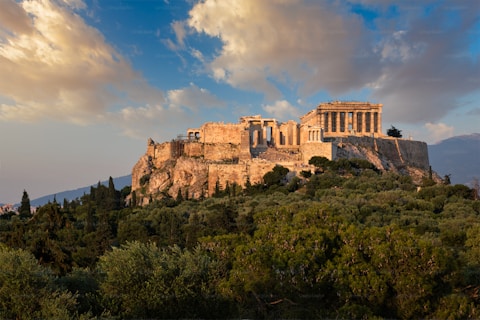
Throughout October, Athens retains most of its summer warmth. This is why the city becomes quite attractive without the tiring heat of summer. It is especially good for exploring museums and open-air areas like the Acropolis. When November arrives, the weather changes quite a bit. The city becomes more oriented toward visitors who like short city breaks than beach lovers. For a change in scenery, you can still plan a day trip to Nafplio or explore the historical site of Delphi.
Cyclades
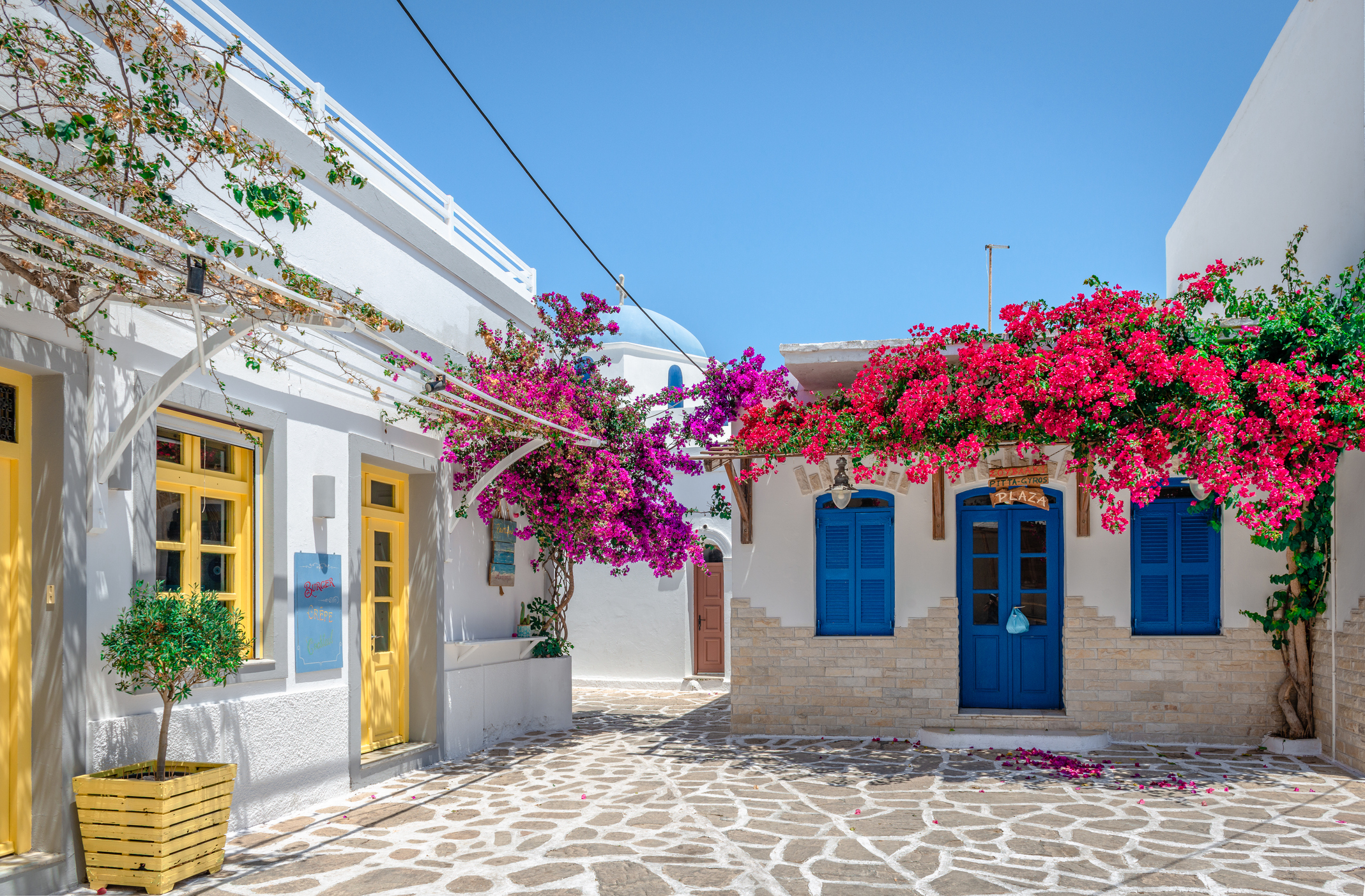
In September and the first days of October, Santorini and Mykonos are still kicking and the sea is warm, a favorite window for honeymoon trips in Greece, before island life quiets down by mid-to-late October. Restaurants and bars are also fully operational. The only downside is that this area cools and goes quiet much faster than the southern islands. Expect to have fewer options open by then. Also, days will be getting shorter for island-hopping.
Crete & Rhodes
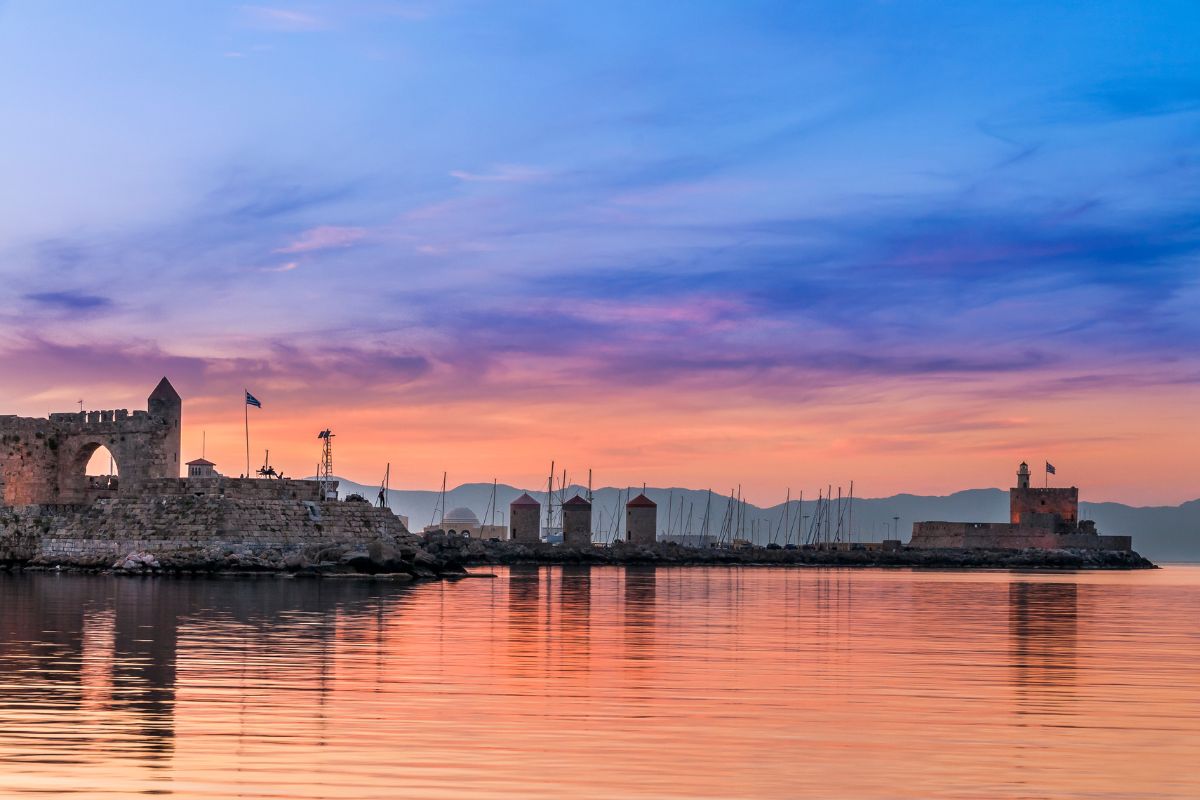
These are your best bets when it comes to fall if you are seeking warmth. Since they are located further south, both islands experience summer-like sea and air temperatures that last until late October. Sometimes even November without much change. They offer the best option to travelers who desire to combine swimming and hiking without the harsh sun or the crowds of summer, making early fall one of the best windows to visit Crete.
Ionian Islands
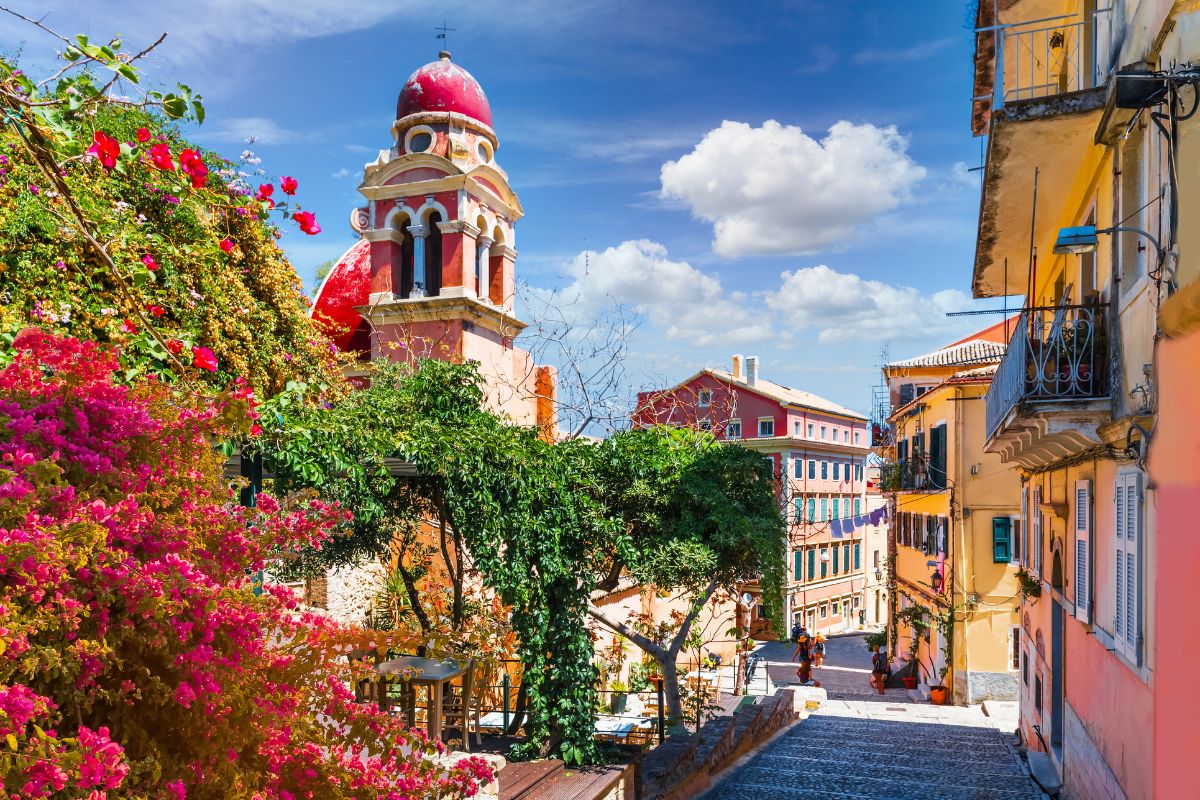
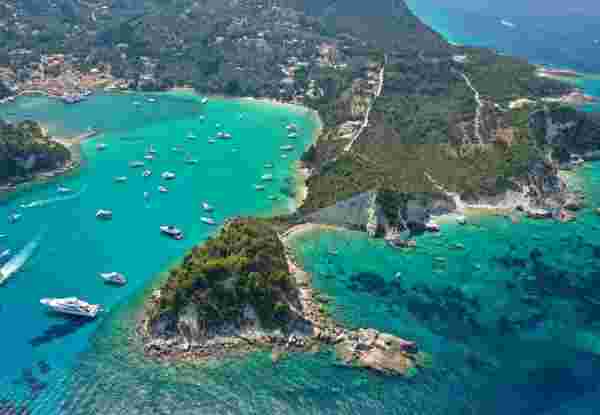
Corfu and Zakynthos in the fall feel greener and softer. The landscape is lush and comfortable temperature-wise. Rain also makes its first appearance quite a bit earlier than in the Cyclades or Crete. Not really a big obstacle if you don’t mind having a bit of rain in exchange for quiet beaches, and dramatic scenery.
Peloponnese

Less about beaches, and more about natural landscape and food. The Peloponnese cools faster than the islands, but it rewards visitors with a harvest season in full swing and mountain scenery. By late October the first signs of autumn color appear in the region. A great option for visitors who give priority to culture and countryside over sea and beaches. Start planning your trip to Greece and let our local experts match you with the region that fits your style.
Match Your Trip to Your Travel Style
Autumn is not just one trip but five separate ones based on what you want. The trick is to combine your travel style with the right timing and area, which will save you from ending up at closed beach bars and not having the exact trip you desired. Best are the best matches for five usual traveler types.
Beach & Swim Travelers
Best time: early-to-mid September for Cyclades, Crete & Rhodes. At this time, the sea is very warm, beach clubs remain open, and it’s a great window for group travel with friends, with summer crowds already thinned out.
City & Culture Travelers
Best time: October, Athens & Mainland. The cooler weather is perfect for walking around and sightseeing, museums and archaeological sites are not busy, and the slower pace makes it an easy season for senior travel in Greece, with evenings great for a leisurely walk without the heat of summer.
Food & Harvest Travelers
Best time: late September to mid-October, Peloponnese. The harvest season is at its peak. The harvesting of grapes, olives, and figs is combined with wine festivals and the very best farm-to-table dining experiences.
Hiking & Nature Travelers
Best time: October, for Ionian Islands or Crete. The temperatures are ideal for hiking, the scenery becomes very green in the Ionian), and paths that are too hot in July become really pleasant.
Family Travelers
Best time: mid-September, for Crete & Rhodes. Children can swim, the holiday crowds are gone, and the milder heat makes family travel in Greece much more comfortable than during the summer peak.
What to Wear in Greece in the Fall
The main rule for what to wear in Greece in the fall is to layer. 1015C Temperature differences between noon and evening can reach 10 – 15ºC. Adjust your layers according to where the table above puts you.
In September, all regions still mostly require summer clothes during the day. Light dresses, linen shirts, shorts, and a swimsuit. The one piece you should bring along is a light cardigan or shirt for evenings in the Peloponnese and Ionian Islands. There, nights get cold much quicker than in the Cyclades.
In October, layering gets less optional. A thin rain jacket or a fleece should be in every bag, especially in the Ionian Islands and Peloponnese. Rainy days increased the fastest. Yet, if you are staying in Crete or Rhodes, you may still be able to manage with a light jacket for evenings. It is usually sufficient. Also, consider bringing swimwear with you.
If you are vacationing in November, in Athens, mainland, or the Ionian, pack as you would for a mild European autumn: a proper jacket, closed shoes, and layers for both rain and cooler daytime temperatures. Comfortable walking will be what you need most rather than swimwear, no matter what part of the country you are in.
Fall Festivals & Harvest Season

Fall in Greece is harvest season. It is as much part of Greece’s culinary traditions as the weather is. Grape harvesting takes place from September to early October in wine regions such as Peloponnese, Crete, and some parts of the mainland. There are usually wine festivals and tasting events in the season. The harvesting of olives is not far behind and generally happens from October to November. Some rural areas even offer visitors an opportunity to watch or participate in the picking.
Various food festivals take place to celebrate the season’s products figs grapes olives, honey across small towns and villages in October. With that, the late October features Oxi Day (October 28th), a national holiday celebrated with parades and festivities.
Practical Planning Notes
Ferry timetables thin out from the middle of October. Routes to the smallest or the least visited islands are the first ones to be cut. If you plan to hop from one island to another in late October or November, first check the ferry timetables before you book flights, and have some extra days just in case of cancellations.
Island closures follow the same trend. In smaller islands, restaurants, shops, and hotels close for the season by October and November, whereas bigger islands like Crete, Rhodes, and Corfu stay mostly open. If you really want to visit a small or a lesser-known island, double check your exact lodging and food options before your trip.
Making a reservation in advance is more important in the fall than it may appear: fewer operating businesses mean less last minute flexibility, even though overall crowds are smaller.
Conclusion
Greece in fall rewards those who plan around the season rather than against it. The sea is warm and the beaches quiet in September and October is the right time for sightseeing as the weather is pleasant. By November, pace is cooling down and the temperature is dropping, which is great for a completely different kind of trip. It all comes down to matching your style of travel and the place you are going to the right season.
Still, if you don’t want to piece it together yourself, Greece Insiders creates fall itineraries according to your wishes. They match region, weather, and pace to how you actually want to travel, down to which islands are still fully open when you land.
Feeling Ready?
From our blog
Aliki Beach, Paros: Three Beaches, One Name
READ MORE
Ioannina, Greece: The Lake City Between Athens and Corfu
READ MORE
Kalamata, Greece: How to Get There, What to See, When to Go
READ MORE
Logaras Beach, Paros: Where to Swim When the Sun Bites
READ MORE
Athens to Santorini: Ferry or Flight? (2027 Guide)
READ MORE
Athens to Santorini: Ferry or Flight? (2027 Guide)
READ MORE
Piso Livadi Beach, Paros: Sand, Tavernas and the Boat Out
READ MORE
Aegina, Greece: A Practical Island Guide (2026)
READ MORE
Spetses, Greece: Everything you need to know (2026)
READ MORE