When is the best time to visit Greece?
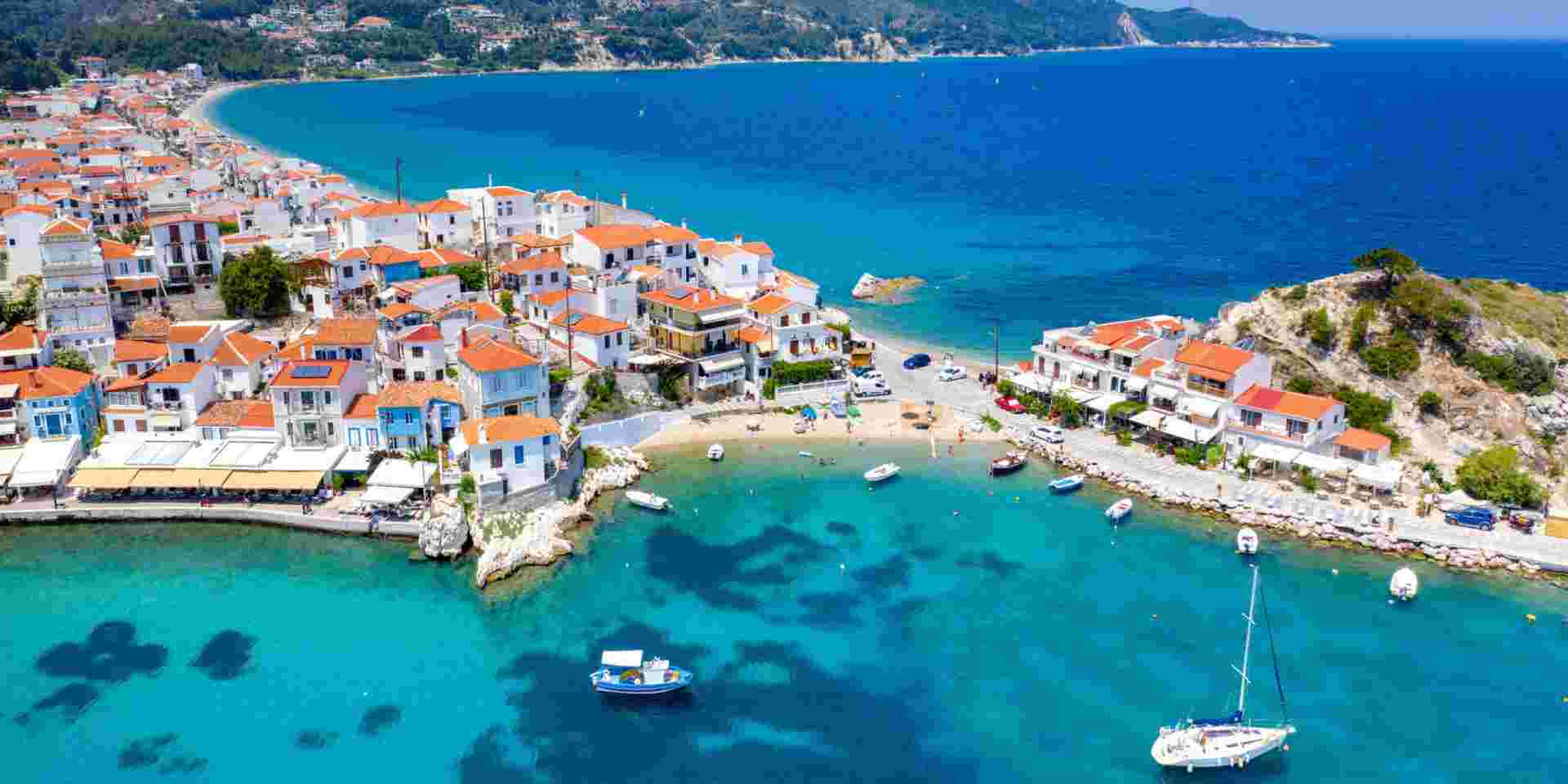
The best time to visit Greece is between May and June or September to October. These months offer a perfect balance of weather, activities and the amount of tourists. It’s warm but not hot, hotels, restaurants, landmarks and venues operate fully and there are few tourists but it doesn’t feel fully empty yet.
So, in this guide we will go into more depth on the best time to visit Greece. We will explain in detail why May, June, September and October are the most ideal but we will also cover all seasons and months to give you a more well-rounded point of view.
Let’s get into it.

When is the Best Time to Visit Greece Overall
The best time of the year to visit Greece is either May – June or September – October, when the weather is still warm but the crowds have not yet gathered, making it easier to explore some of the best places to visit in Greece at a more relaxed pace. June to early September is the high season for sun, with temperatures generally in the mid-70s to mid-90s°F (24 – 32°C). The swimming season is from late June to October. April, May and October are good months for sightseeing.
Greece Travel Seasons Explained
The ideal period for your trip largely depends on your personal preferences. Depending on whether you wish to sunbathe, explore historic sites or just relax, your trip will differ greatly from one season to another. So if you’re eager to discover the beauty of Greek nature in full bloom or if you want to have a taste of the Greek festivities, read on and find out which season best suits your needs.
Spring (April – May)
Spring is the season of mild weather with average high temperatures ranging from 60 – 75°F (16 – 24°C) depending on the region and an astonishing variety of blooming flowers. It is an excellent period for cultural travel and private tours around the Greek mainland, especially if you want to discover the best spring destinations in Greece, as Greece in spring is calm and unhurried, allowing you to enjoy your vacation in greater comfort and depth.
Summer (June – August)
The summer season in Greece runs from late June to late August (27 – 35°C / 80 – 95°F) and is the most popular and vibrant. With a myriad of beaches, beach clubs, island hopping tours and sailing, Greece is at its most lively. If you’re particularly sensitive to crowds then islands such as Mykonos and Santorini wouldn’t be good options for you, especially during peak season when destinations featured in any Mykonos travel guide tend to be at their busiest, but the mainland or other, less popular islands, are always available!
Autumn (September – October)
During Autumn, temperatures range between 70 – 85°F (21 – 29°C) and the sea remains warm. There are also more relaxed vibes, making it great for a less rushed and more sophisticated experience. Since there are less people and the weather is still good for the beaches, autumn, especially early autumn, remains an ideal option for many who plan to travel to Greece and experience Greece in the fall at its most relaxed.
Winter (November – March)
Cold winters average 50 – 65°F (10 – 18°C) and there is a general sense of calmness. Winter offers strong possibilities for cultural tours, food tours and city breaks in Greece, particularly in Athens and Thessaloniki, making it ideal for senior travel in Greece. While many of the islands are in a dormant state, Greece is at its authentic best offering rich possibilities in history, food and way of life, especially for those considering spending winter in southern Greece at a slower pace.
When is the Best Time to Visit Greece Overall
The best time of the year to visit Greece is either May – June or September – October, when the weather is still warm but the crowds have not yet gathered, making it easier to explore some of the best places to visit in Greece at a more relaxed pace. June to early September is the high season for sun, with temperatures generally in the mid-70s to mid-90s°F (24 – 32°C). The swimming season is from late June to October. April, May and October are good months for sightseeing.
Greece Travel Seasons Explained
The ideal period for your trip largely depends on your personal preferences. Depending on whether you wish to sunbathe, explore historic sites or just relax, your trip will differ greatly from one season to another. So if you’re eager to discover the beauty of Greek nature in full bloom or if you want to have a taste of the Greek festivities, read on and find out which season best suits your needs.
Spring (April – May)
Spring is the season of mild weather with average high temperatures ranging from 60 – 75°F (16 – 24°C) depending on the region and an astonishing variety of blooming flowers. It is an excellent period for cultural travel and private tours around the Greek mainland, especially if you want to discover the best spring destinations in Greece, as Greece in spring is calm and unhurried, allowing you to enjoy your vacation in greater comfort and depth.
Summer (June – August)
The summer season in Greece runs from late June to late August (27 – 35°C / 80 – 95°F) and is the most popular and vibrant. With a myriad of beaches, beach clubs, island hopping tours and sailing, Greece is at its most lively. If you’re particularly sensitive to crowds then islands such as Mykonos and Santorini wouldn’t be good options for you, especially during peak season when destinations featured in any Mykonos travel guide tend to be at their busiest, but the mainland or other, less popular islands, are always available!
Autumn (September – October)
During Autumn, temperatures range between 70 – 85°F (21 – 29°C) and the sea remains warm. There are also more relaxed vibes, making it great for a less rushed and more sophisticated experience. Since there are less people and the weather is still good for the beaches, autumn, especially early autumn, remains an ideal option for many who plan to travel to Greece and experience Greece in the fall at its most relaxed.
Winter (November – March)
Cold winters average 50 – 65°F (10 – 18°C) and there is a general sense of calmness. Winter offers strong possibilities for cultural tours, food tours and city breaks in Greece, particularly in Athens and Thessaloniki, making it ideal for senior travel in Greece. While many of the islands are in a dormant state, Greece is at its authentic best offering rich possibilities in history, food and way of life, especially for those considering spending winter in southern Greece at a slower pace.

Best Time to Visit Greece by Month
Having a month-by-month perspective allows you to adjust your travel plans according to the weather, mood of the place, and your travel style. While winter months are best for cultural pursuits and less crowded places, the summer season as well as the balanced shoulder months will give you a wide variety of options to experience Greece depending on what you value most.
January – March
Average Temperature Each Month
- January: 50 – 59°F (10 – 15°C)
- February: 50 – 61°F (10 – 16°C)
- March: 54 – 64°F (12 – 18°C)
Why Visit at This Time
This season is all about authenticity, culture and the local life and is ideal for those who are looking for a more in-depth experience, with a relaxed and immersive atmosphere.
Where to Go in Greece
Athens, Thessaloniki, Nafplio and the Peloponnese are generally open all year round, with plenty of cultural events and great food options.
What to Do & See
Discover the country through art, history, culture and above all through taste and spend quality time in cities and landmarks that in peak season become overcrowded. These months offer a unique opportunity to visit museums and archaeological sites, savour high class cuisine, attend cultural events, and experience the urban landscape without the mass of tourists.
April – May
Average Temperature Each Month
- April: 59 – 70°F (15 – 21°C)
- May: 64 – 75°F (18 – 24°C)
Why Visit at This Time
With Greece’s flowers bursting into bloom and pleasant temperatures in moderation, spring is the perfect time to visit Greece, while the climate is still relaxed, and before the summer months become too busy.
Where to Go in Greece
Athens, Crete, Peloponnese, and early-opening Cycladic islands like Santorini and Paros.
What to Do & See
Visit archaeological sites, hike scenic trails, enjoy private tours and plan family-friendly trips in Greece while exploring the countryside at its best.
June
Average Temperature
- 73 – 85°F (23 – 29°C)
Why Visit at This Time
In mid-summer, the weather and ambience of June offer the perfect combination of warm sunny days with reasonable temperatures, all in a serene atmosphere without long queues and intense heat that signal the height of summer.
Where to Go in Greece
Some of the most popular islands include Santorini, Mykonos, Paros, Naxos and the Ionian islands like Corfu and Kefalonia.
What to Do & See
Enjoy beach time, sailing and island hopping while taking full advantage of relaxed early summer dining on the coast.
July – August
Average Temperature Each Month
- July: 77 – 93°F (25 – 34°C)
- August: 77 – 95°F (25 – 35°C+)
Why Visit at This Time
We are now in the height of the summer period, meaning there are high energy levels all-around, long days of sunshine and a lively social life on the most popular islands of Greece.
Where to Go in Greece
Mykonos, Santorini, Paros and other destinations in the Aegean. Perfect time for luxury coastal resorts as well.
What to Do & See
Beach clubs, yachting, fine dining, nightlife, and exclusive island activities at their most vibrant.
September
Average Temperature
- 73 – 85°F (23 – 29°C)
Why Visit at This Time
September is one of the most refined months to travel. The sea temperatures are at their warmest, the weather is impeccable and tourists are fewer in number.
Where to Go in Greece
Santorini, Mykonos, Paros, Crete, and the Ionian islands.
What to Do & See
Enjoy swimming, sailing, island hopping to quaint villages and wine tastings whilst taking it easy.
October
Average Temperature
- 64 – 75°F (18 – 24°C)
Why Visit at This Time
Warm, calm weather and quieter beaches. A great opportunity to combine cultural activities with your time at the coast in a more relaxed way.
Where to Go in Greece
Athens, Crete, Rhodes, and southern islands that retain warmer conditions.
What to Do & See
Sightseeing, food experiences, scenic drives, vineyard visits, and relaxed island stays.
November – December
Average Temperature Each Month
- November: 59 – 68°F (15 – 20°C)
- December: 54 – 63°F (12 – 17°C)
Why Visit at This Time
Enjoy a slower pace with more time to immerse yourself in Greek culture, customs and daily life.
Where to Go in Greece
Athens, Thessaloniki, Epirus, and mainland regions.
What to Do & See
Museums, gastronomy, cultural events, boutique shopping, and exploring historic neighborhoods without crowds.
Best Time to Visit Greece Based on Your Travel Style
Every traveller has their own priorities when planning a vacation, so depending on whether you are looking for a beach holiday, a cultural experience or a fun-filled island-hopping trip, the best time to visit Greece will vary. Each period of the year has its own unique charms, so it is a good idea to plan your trip to Greece around the things that are important to you.
For Beaches and Swimming
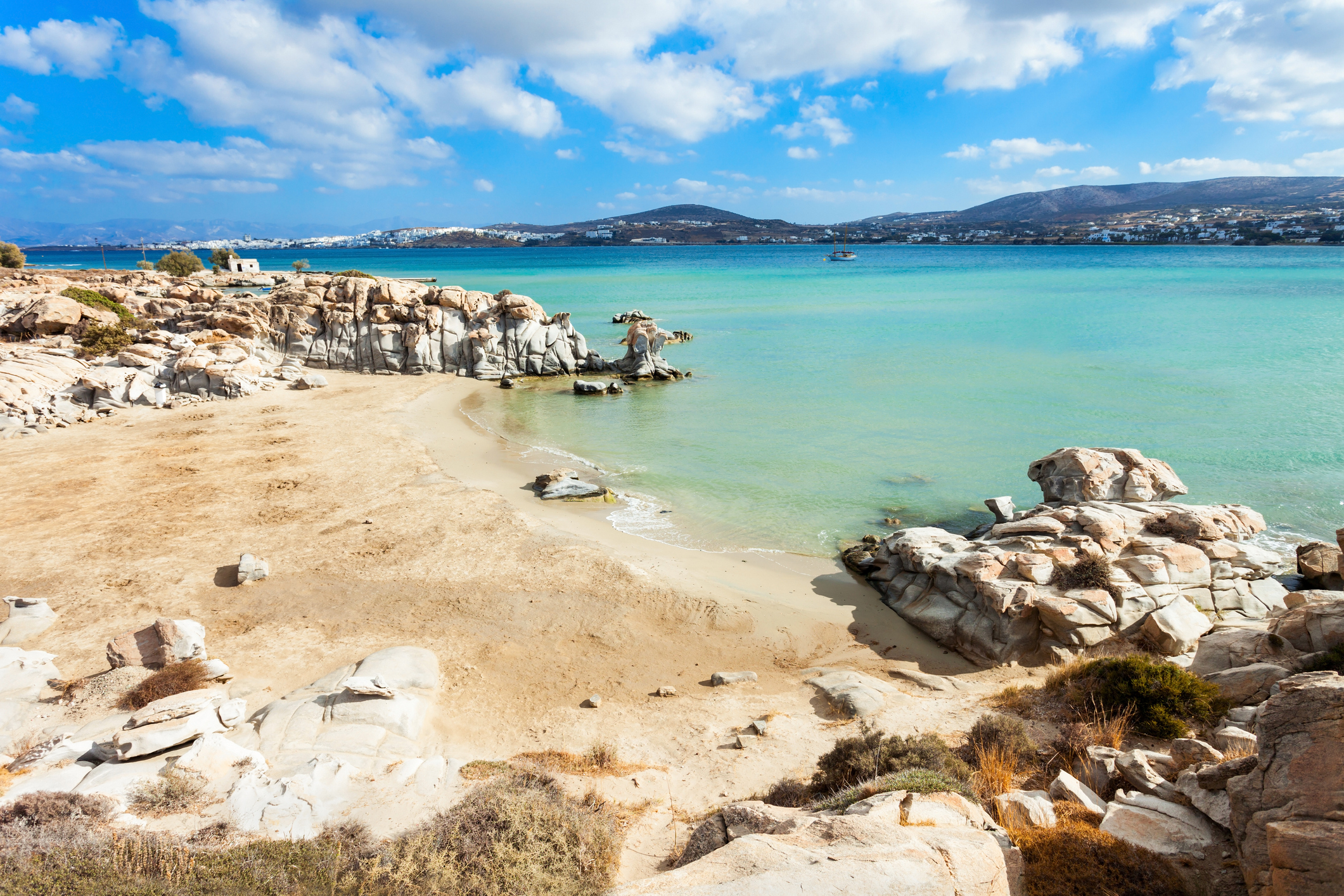
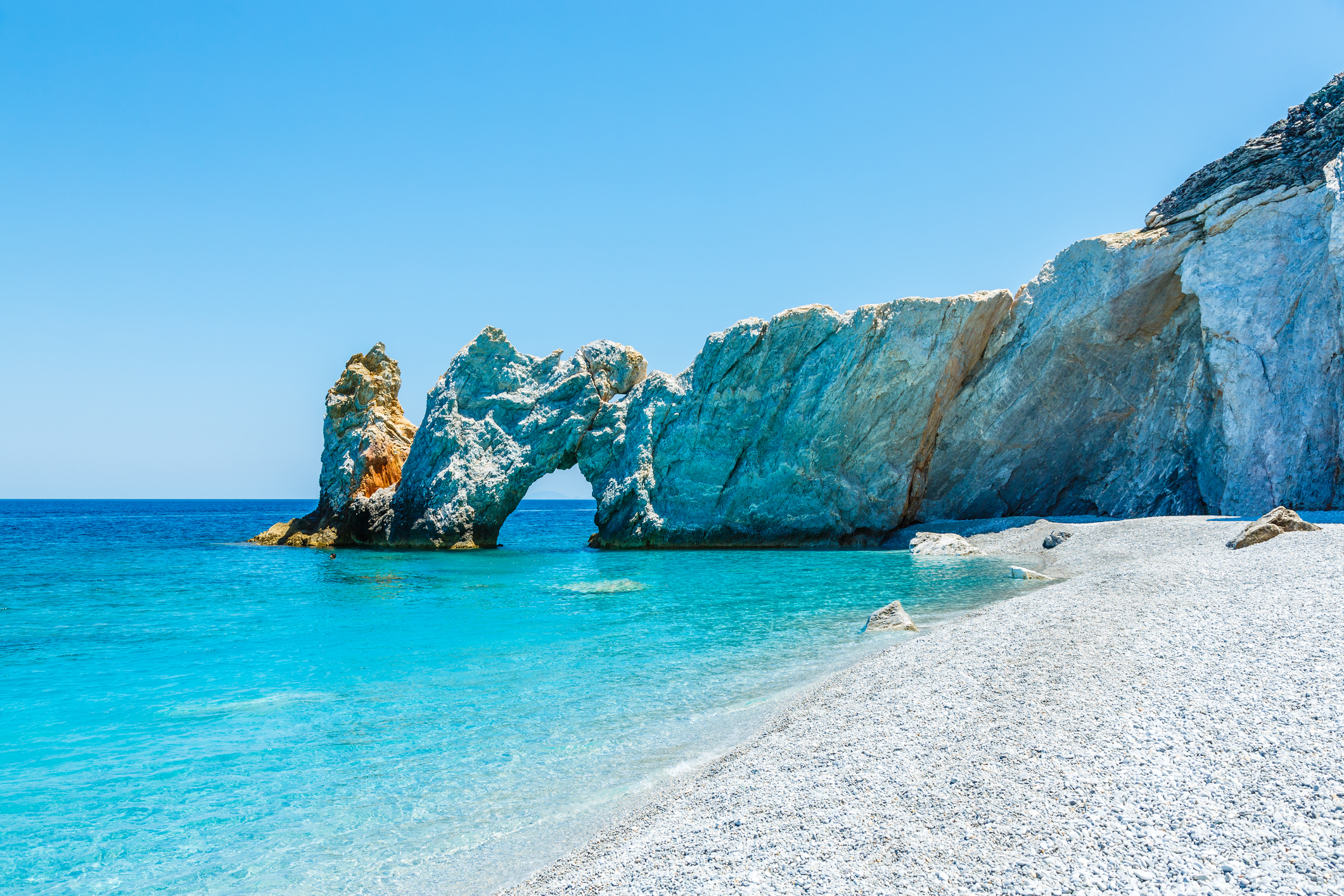
Late June to early October is the best time to swim as the water temperatures are warm, and the weather is consistently sunny. September is a good time too as the sea remains comfortable and the crowds are smaller. The summer months are the best time to enjoy the Greek beaches, on the Cyclades, in the Ionian islands and on Crete.
For Sightseeing and Culture
If you want to have the best of Greece and visit monuments in ideal conditions, the optimal period is from April to May and September to October, when the weather is warm and the number of tourists small. You will have the opportunity to walk the streets of Athens and other regions of Greece without the summer heat and have a unique perspective and deeper cultural experience.
For Honeymoon

The best time to visit Greece for a honeymoon is May – June and September when the ambience is especially sophisticated and the atmosphere more discreet. The weather is still warm, the light is soft, and you’re unlikely to run into any crowds. It’s the perfect time to spend your honeymoon in beautiful Santorini or to isolate yourself in a romantic island hideaway.
For Nightlife and Party Islands
July and August are high season months for the nightlife of Greece. Then, of course, are the famous party islands such as Mykonos and the nightlife is at its peak! Mykonos beach clubs, summer events and day and night excitement are guaranteed. If you like meeting people, having a good time and getting the full summer experience, July and August are the best months for you, especially for group trips to Greece with friends.
Best Time to Visit Popular Destinations in Greece
Each of the destinations we visit in Greece has its own unique rhythm, a product of climate, season, or simply the ambience of the place. Some are at their best in the height of the summer months, while others are arguably more rewarding during the off-season. Knowing when to visit places like Athens, Santorini and Mykonos can make all the difference to your travelling experience.
Athens
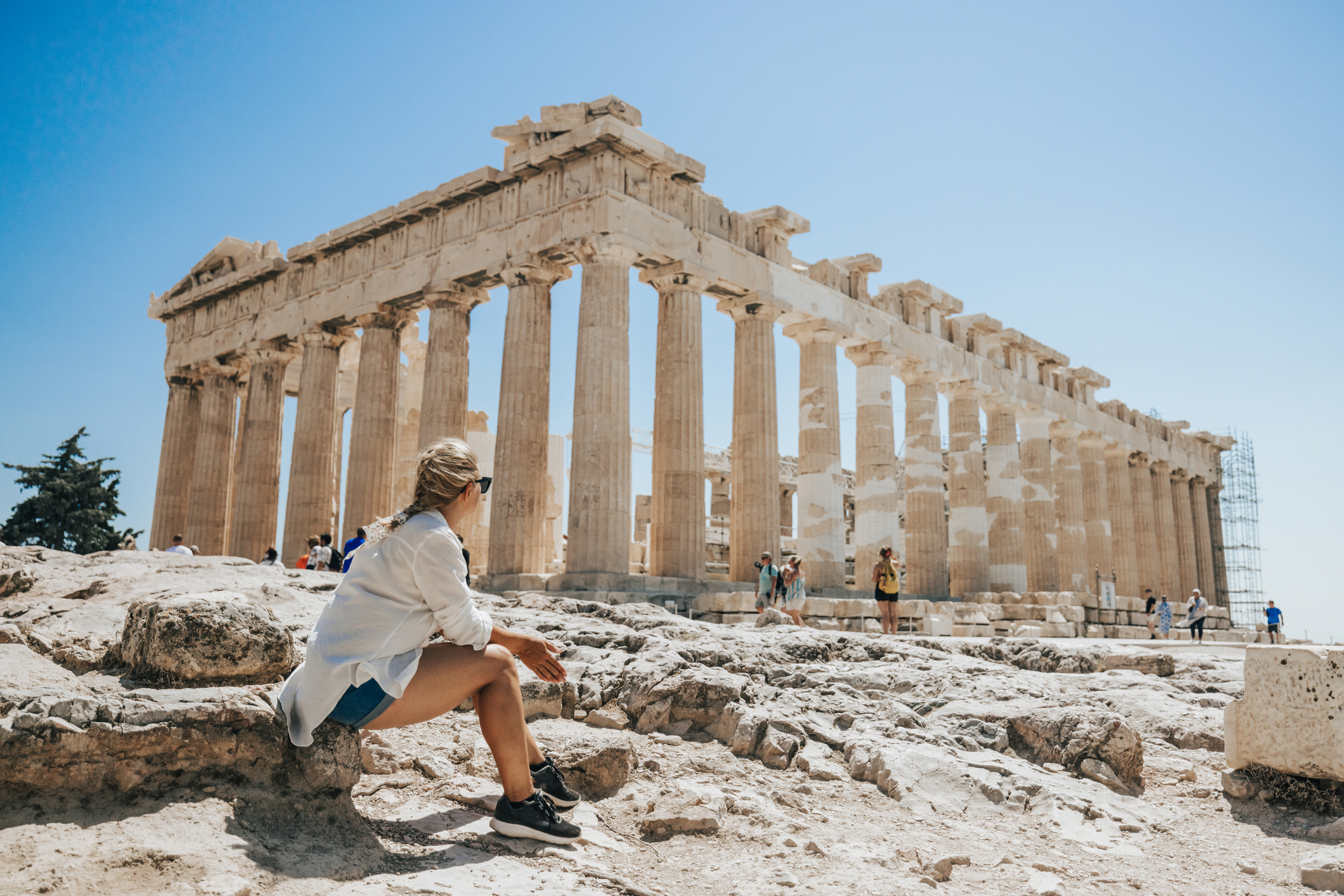
The best time to visit Athens is from March to May and October to November. If you like warm weather but not sweltering heat then Spring or Autumn are ideal. Temperatures are usually pleasant, affording easy strolls around the Acropolis and the streets of old neighborhoods, evening meals and cultural events without the hustle and bustle of high season and the extreme heat of summer, which is why many travelers rely on a detailed Athens travel guide to plan their visit.
Santorini
The best time to visit Santorini is in May/June and September. These months benefit from better weather, clear blue skies and a more balanced atmosphere. Consider staying in one of the many beautiful boutique hotels that Santorini has to offer and enjoying sunset dinners over the breathtaking caldera, a highlight often featured in any well-planned Santorini travel guide. May and June are perfect for those who want to avoid the peak months, while in September, the crowds start to dissipate.

Mykonos
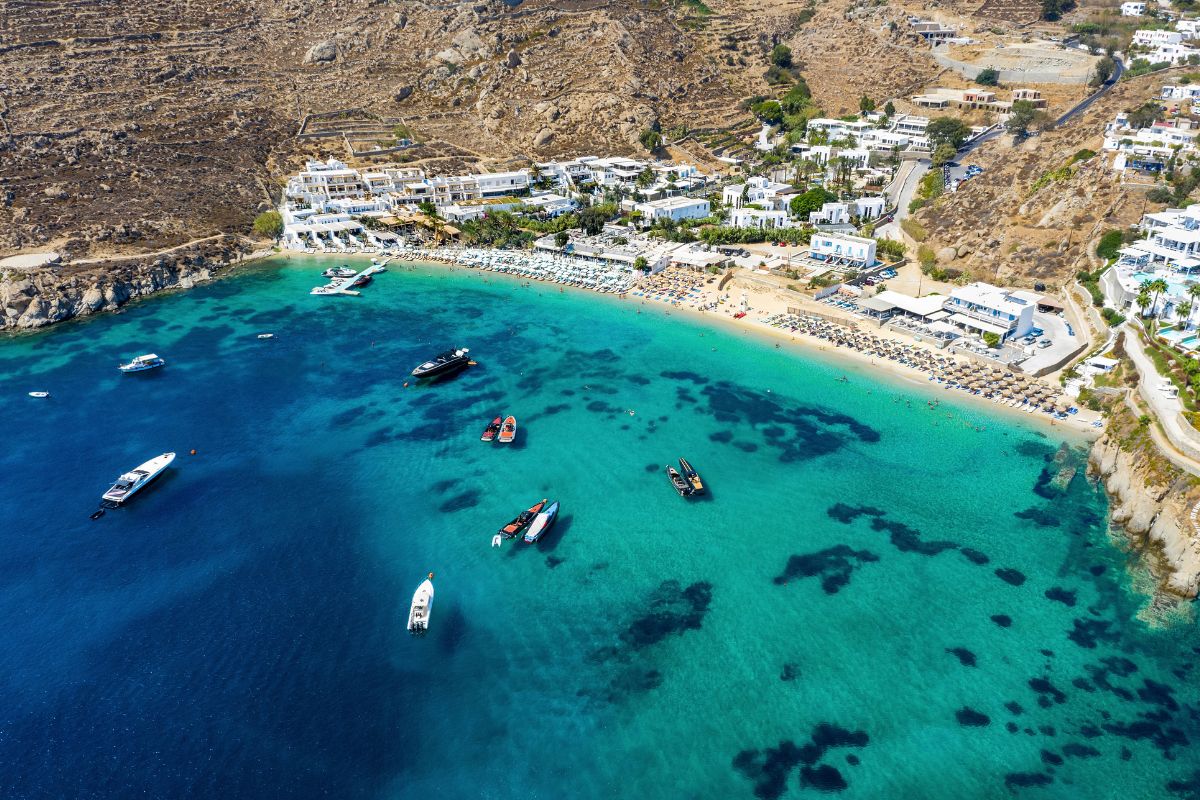
The best time to visit Mykonos is June to August as that is when the famous beach clubs, summer events and nightlife are in full swing. If you’re looking for a more sophisticated experience, we recommend visiting the island in May or September. These months offer pleasant weather while the crowds are less intense, making it a great time to relax on beautiful beaches, enjoy excellent dining, and explore the island at a more relaxed pace.
Practical Tips for Planning Your Trip
Below we have some essential tips that will make your trip to vacation easier to plan and enjoy!
Book early for summer: Secure high-end hotels, villas, and experiences several months in advance, especially for July and August when availability is limited.
Check island seasonality: Many smaller islands slow down or partially close in winter, while larger destinations remain active year-round.
Plan around the heat: Schedule sightseeing and outdoor activities early morning or late afternoon during peak summer months.
Consider transport options: Ferries run frequently in summer but are reduced off-season; private transfers or yachts offer greater flexibility.
Conclusion: Choosing the Best Time to Visit Greece
To sum up, the best time to visit Greece is May to June and September to October. These months are warm but not hot, and despite there being much fewer tourists than in peak season, most destinations are in full tourism mode and everything operates regularly. Still though, as you saw in our guide, you can visit Greece any time of the year and, with proper planning, still have a great time!
But, if you don’t want to bother with planning or need some professional expertise, talk to Tailored by Locals! Share your thoughts, preferences and expectations and a local expert will design a package that matches your vision of a dream vacation to Greece.
Feeling Ready?
From our blog
Aliki Beach, Paros: Three Beaches, One Name
READ MORE
Ioannina, Greece: The Lake City Between Athens and Corfu
READ MORE
Kalamata, Greece: How to Get There, What to See, When to Go
READ MORE
Logaras Beach, Paros: Where to Swim When the Sun Bites
READ MORE
Athens to Santorini: Ferry or Flight? (2027 Guide)
READ MORE
Athens to Santorini: Ferry or Flight? (2027 Guide)
READ MORE
Piso Livadi Beach, Paros: Sand, Tavernas and the Boat Out
READ MORE
Aegina, Greece: A Practical Island Guide (2026)
READ MORE
Spetses, Greece: Everything you need to know (2026)
READ MORE