Rome Travel Guide: What to Do, When to go and Where to Go
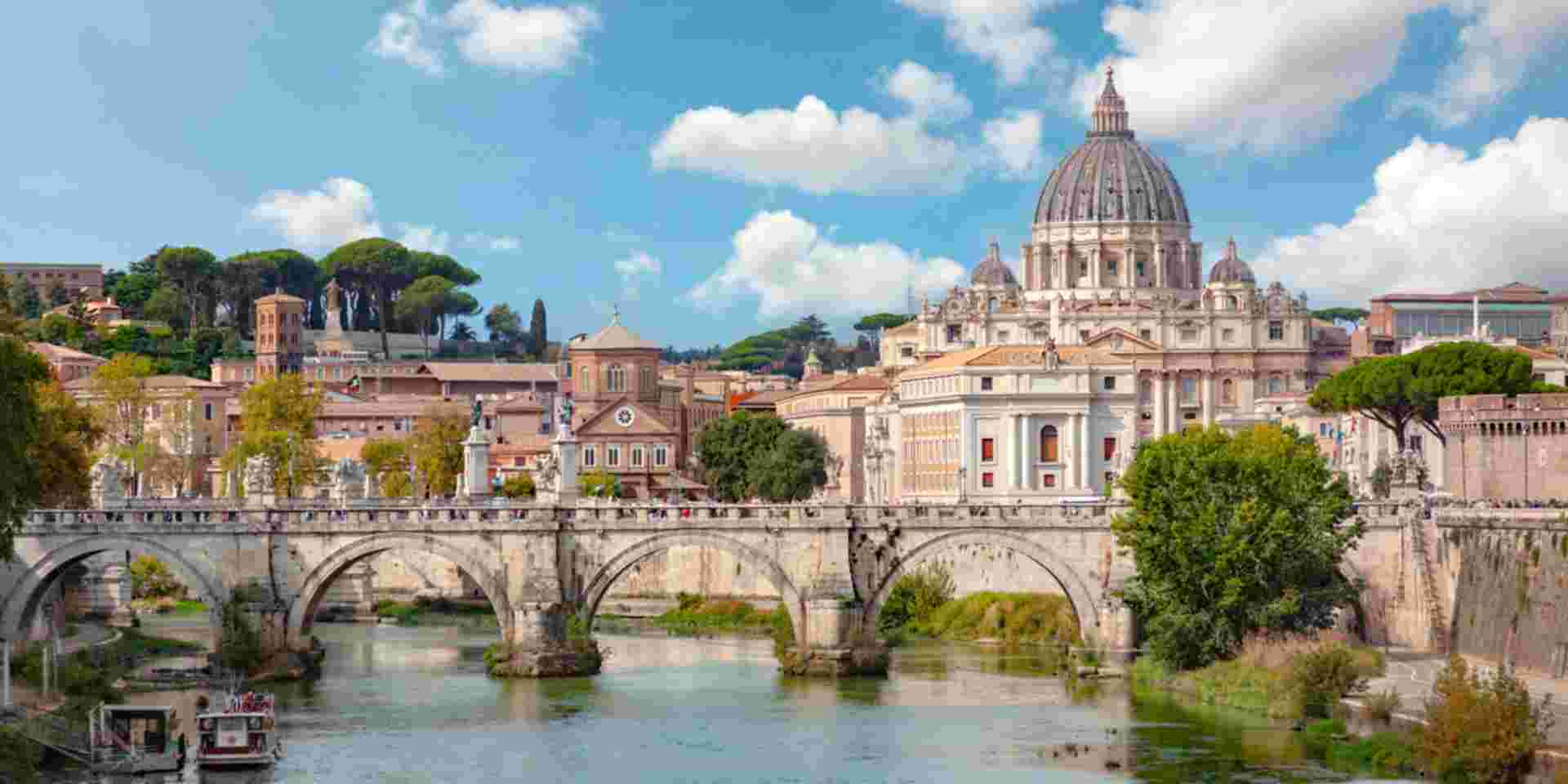
A Rome travel guide is the best way to prepare for your trip to the Eternal City. Italy’s capital is one of the most popular tourist destinations worldwide. It is the home of the Colosseum and the Vatican and is known for its two thousand years of history, all visible in a very walkable city center. Rome mixes ancient ruins, lively squares, Renaissance art and some of the best cuisine.
This guide will provide you with all the necessary information to plan your trip: major points of interest, the perfect period for visiting, budgeting, accommodation, and food. No matter if you have only 3 days or a whole week, you will get a great idea on how to efficiently spend your time in Rome.
What Is the Ultimate Rome Travel Guide
An ultimate guide to Rome travel entails five things: main attractions, timing, budget, neighborhoods, and food. Map out a three to five-day visit for the historic center e.g. Colosseum, Roman Forum, Vatican Museums and Pantheon. If you want mild weather and smaller crowds, the best time to visit will be April – May or September – October.
You should generally have a budget of €80-120 a day for a bare minimum trip, more if you want to stay in a hotel near the center. Your accommodation may be in Trastevere, Monti, or near Termini based on your preferences, see our guide to Rome’s best neighborhoods for a closer look at each, and also keep up the rhythm of your sightseeing with real Roman meals.
How Many Days Do You Need in Rome?
In three days, a visit to Rome can cover the main sights: the Colosseum, Roman Forum, Vatican Museums, and Pantheon, with a couple of breaks for meals.
Four to five days enable you to include Trastevere, the Borghese Gallery, and a day trip to Ostia Antica or Tivoli without hurrying, a pace that also works well for family travel in Italy, letting kids explore without feeling rushed. A week or more is perfect for independent travelers who would like to discover different neighborhoods, participate in cooking classes, or go back to their favorite piazzas. Adjust your itinerary to your pace, not just to your list of things to do.

Rome Budget Travel Guide
If you are careful with your expenses, a trip to Rome can cost you as low as €80 – 120 a day where you can stay in hostels or budget hotels, have casual trattorias, food and use public transport. Then again, mid-range travelers will usually pay a daily price of €170 – 250 for three-star hotels and having sit-down meals with wine. Luxury hotels can go over €400 a day.
Transport by public means is €1.50 for a single ride or €8.50 for a day pass. Most popular sites like the Colosseum and Roman Forum are €16 – 18 per person. Generally, for one week, a trip excluding flights costs around €1,300 – 1,600 per person for a mid-range style, our 10-day Italy and Greece cost breakdown is a useful reference if you’re pairing Rome with a longer Mediterranean trip. Booking hotels and attractions ahead of time can make them 20-30% cheaper.
| Expense | Budget | Mid-Range | Luxury |
| Accommodation | €40 – 80 / night | €150 – 220 / night | €300 – 600+ / night |
| Meals | €25 – 35 / day | €50 – 70 / day | €100+ / day |
| Transport | €1.50 / ride or €7 / day pass | €7 / day pass | Taxis, €15 – 25 / trip |
| Attractions | €10 – 20 / day | €30 – 50 / day | Private tours, €100+ |
| Daily total | €80 – 120 | €170 – 250 | €400+ |
Best Time to Visit Rome
April – May and September, October are the best months for a nice balance of good weather and fewer crowds, our Rome in September guide breaks the shoulder season down further. Temperatures will be comfortable at around 18 – 25ºC. Summer (June – August) is the hottest time of the year when temperatures can reach 35ºC, attractions will be very crowded, and hotel prices will be on average 30 – 40% higher than usual. Winter (November – February) is the time of the least amount of people and lowest prices, the temperatures are around 8 – 15ºC, and the lines at the major tourist sites will be much shorter.
Shoulder season is the best time to visit: enjoy the nice weather without the summer crowds or high prices. Booking a ticket in advance will still be very helpful even if you are traveling out of season, as a lot of the big museums and archaeological sites have limited entry per day all year round.
Best Time to Visit Rome: Month by Month
| Month | Avg. Temp | Weather | Best For |
| January | 5 – 13°C | Cold, occasional rain | Quiet museums, lowest prices |
| February | 6 – 14°C | Cool, some rain | Fewer crowds, indoor sights |
| March | 8 – 17°C | Mild, rain likely | Artichoke season, early spring walks |
| April | 11 – 20°C | Mild, sunny | Easter events, blooming gardens |
| May | 15 – 24°C | Warm, pleasant | Outdoor dining, ideal sightseeing |
| June | 19 – 29°C | Hot, dry | Long daylight, evening piazzas |
| July | 21 – 32°C | Very hot | Early-morning sightseeing, gelato breaks |
| August | 21 – 32°C | Very hot, quieter locally | Ferragosto festivities, fewer Romans |
| September | 17 – 27°C | Warm, comfortable | Best all-round weather, moderate crowds |
| October | 13 – 22°C | Mild, occasional rain | Wine harvest season, comfortable walking |
| November | 9 – 16°C | Cool, rainy | Low prices, indoor museums |
| December | 6 – 13°C | Cold, festive | Christmas markets, St. Peter’s decorations |
Rome in March: Weather, Crowds & Events
March usually has mild temperatures (12 – 17ºC), occasional showers, and the crowds become dramatically less compared to the Easter rush which starts to build later in the month. Early March is the best time to go: there are about 35,000 – 40,000 daily visitors, which is far from the peaks of summer.
On top of that, the city’s museums open their doors to the public for free on the first Sunday of the month and Roman artichokes are in season. Keep in mind that the Rome Marathon on the 30th of March closes the roads around the Colosseum and St. Peter’s. Pack layers and a light rain jacket.
Getting Around: English & Transport in Rome
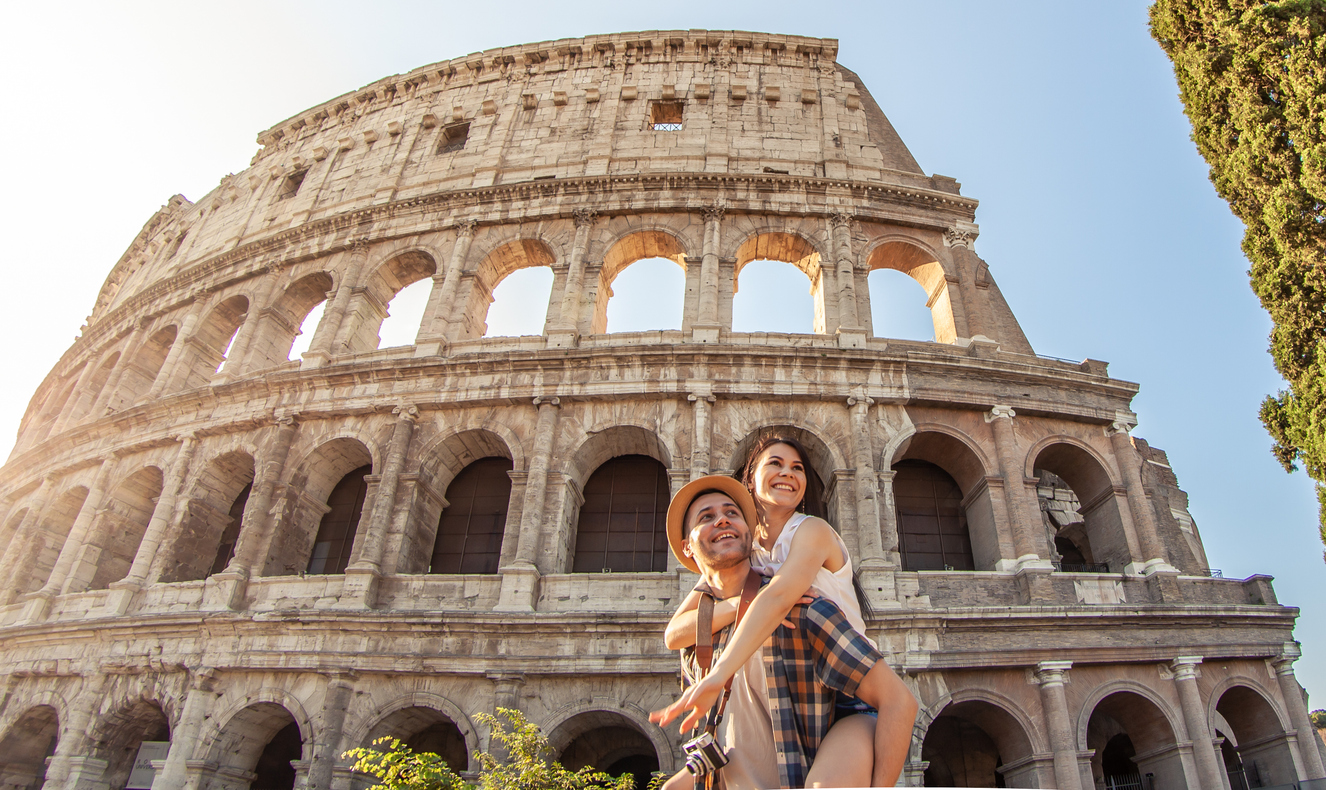
In most cases, English will be enough in Rome. It’s pretty much the main language in museums, restaurants, and in the proximity of the main sights. Even the metro signs are fully bilingual, featuring English. That, combined with a highly walkable historic center, makes senior travel in Italy fairly manageable, even for those who prefer a slower pace. Still, with a little understanding of Italian, it will be easier for you, especially in areas like Trastevere, local markets, or day trips out of the city.
It’s quite easy to navigate Rome as the metro lines run through the main nods of the Vatican and Colosseum. Buses and trams have their routes through the center covering also areas which are difficult to access like Piazza Navona. €1.50 is a single ticket fare and €8.50 is the price for the day pass, which you can use throughout the entire network.
Best Neighborhoods to Stay In Rome
Centro Storico and Monti will bring you very close to the Pantheon and Trevi Fountain. Perfect if being able to walk to the main attractions is your priority. Prices are higher here though.
Trastevere has an unmistakably local vibe. Winding cobblestone streets, small family-run restaurants, bars, and clubs, all only a short walk or tram ride to the city center. Testaccio has a similar authentic charm but there are fewer tourists and some of the best food markets in the city.
Being close to Termini station is a good option for travelers on a budget who care more about getting around than the atmosphere, as you can easily get to the trains, buses, and the airport from there. Ready to pick your base? Explore our Rome trip packages or request a personalized itinerary built around the neighborhood that suits you best.
Rome Travel Guide Top Attractions
The most important landmarks to visit in Rome are in the historic center, so it’s quite feasible to visit the main attractions by walking. From ancient Roman ruins to works of art from the Renaissance period, every monument has its own story to tell about the history of the city.
It is better to reserve tickets ahead of time. The number of visitors admitted per day is limited and the queue for purchasing tickets on site may exceed an hour during the peak season.
Colosseum and Roman Forum
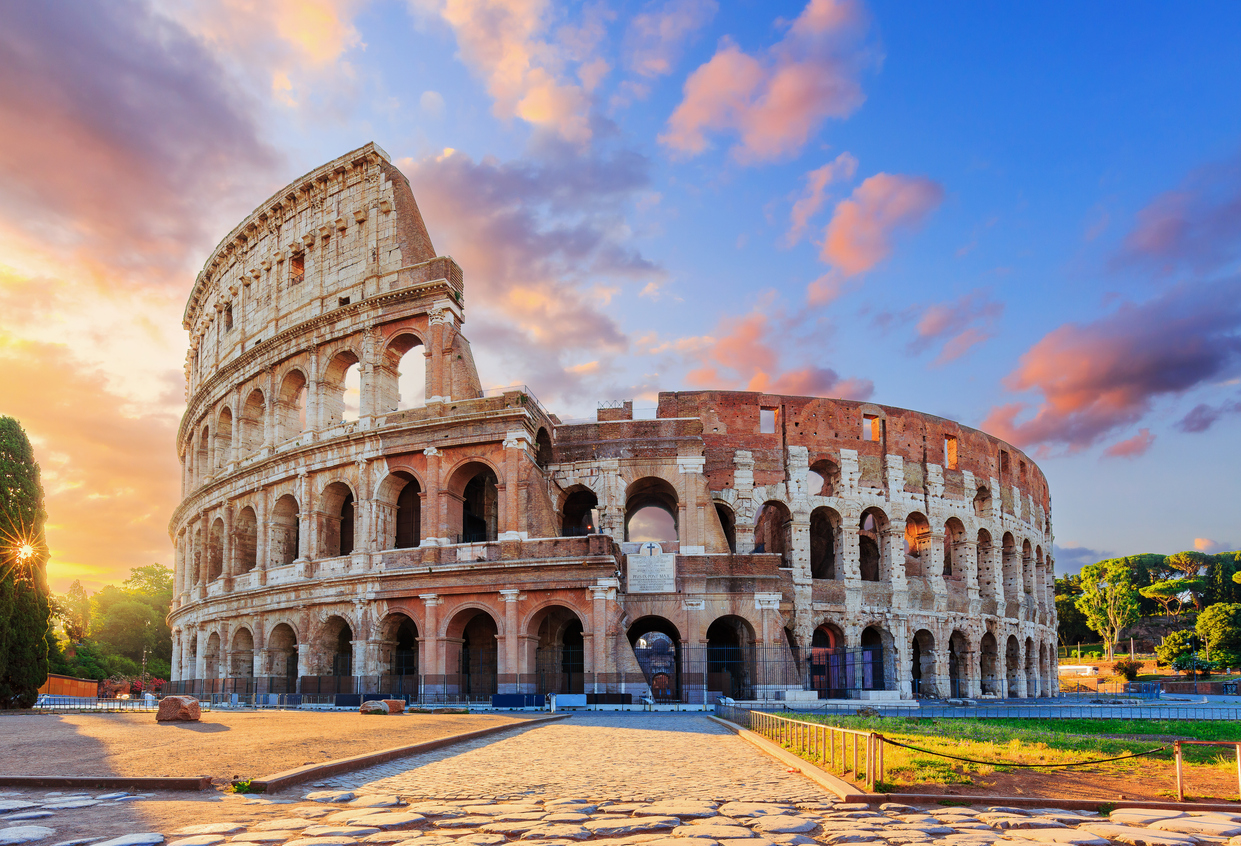
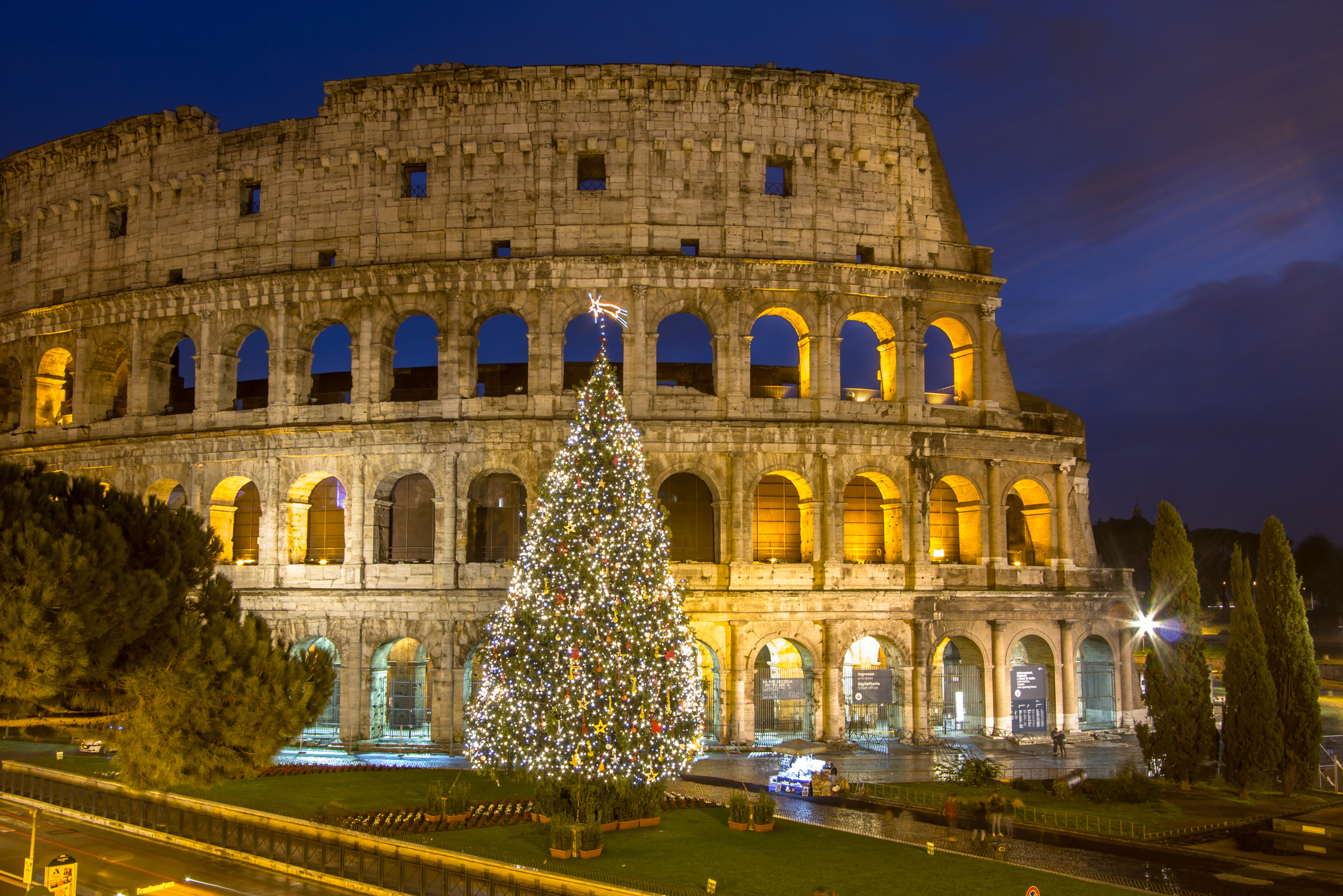
The Colosseum is Rome’s most recognizable landmark, once home to gladiator battles in front of 50,000 spectators. A combined ticket with the Roman Forum and Palatine Hill costs €16 – 18 and covers all three sites.
Arrive early or book a guided tour for context. The ruins are more striking once you understand what stood there.
Vatican Museums & Sistine Chapel
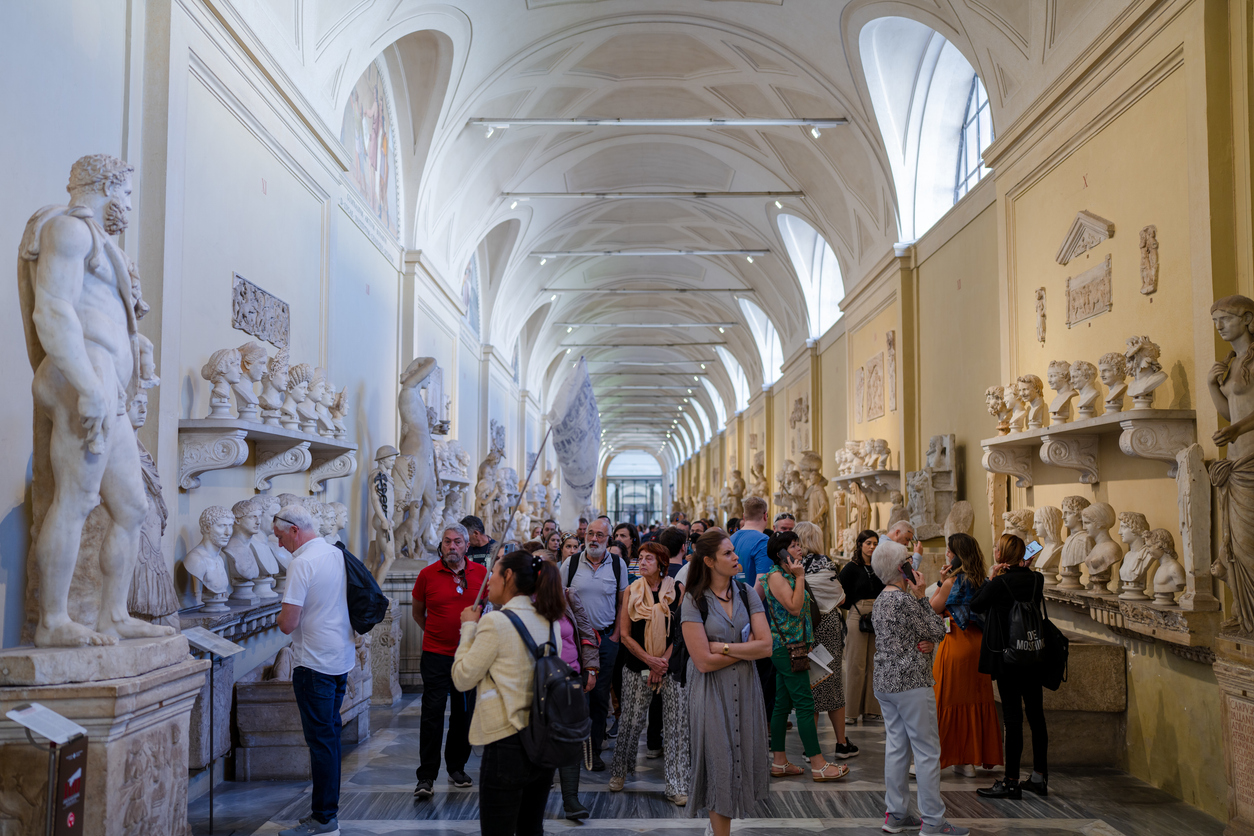
Home to Michelangelo’s ceiling frescoes, the Sistine Chapel draws the biggest crowds in the Vatican Museums. Entry runs €20 – 25, and skip-the-line tickets are worth the extra cost.
Early morning or late afternoon slots offer noticeably thinner crowds. St. Peter’s Basilica next door is free to enter, though it enforces a strict dress code covering shoulders and knees.
Pantheon & Trevi Fountain
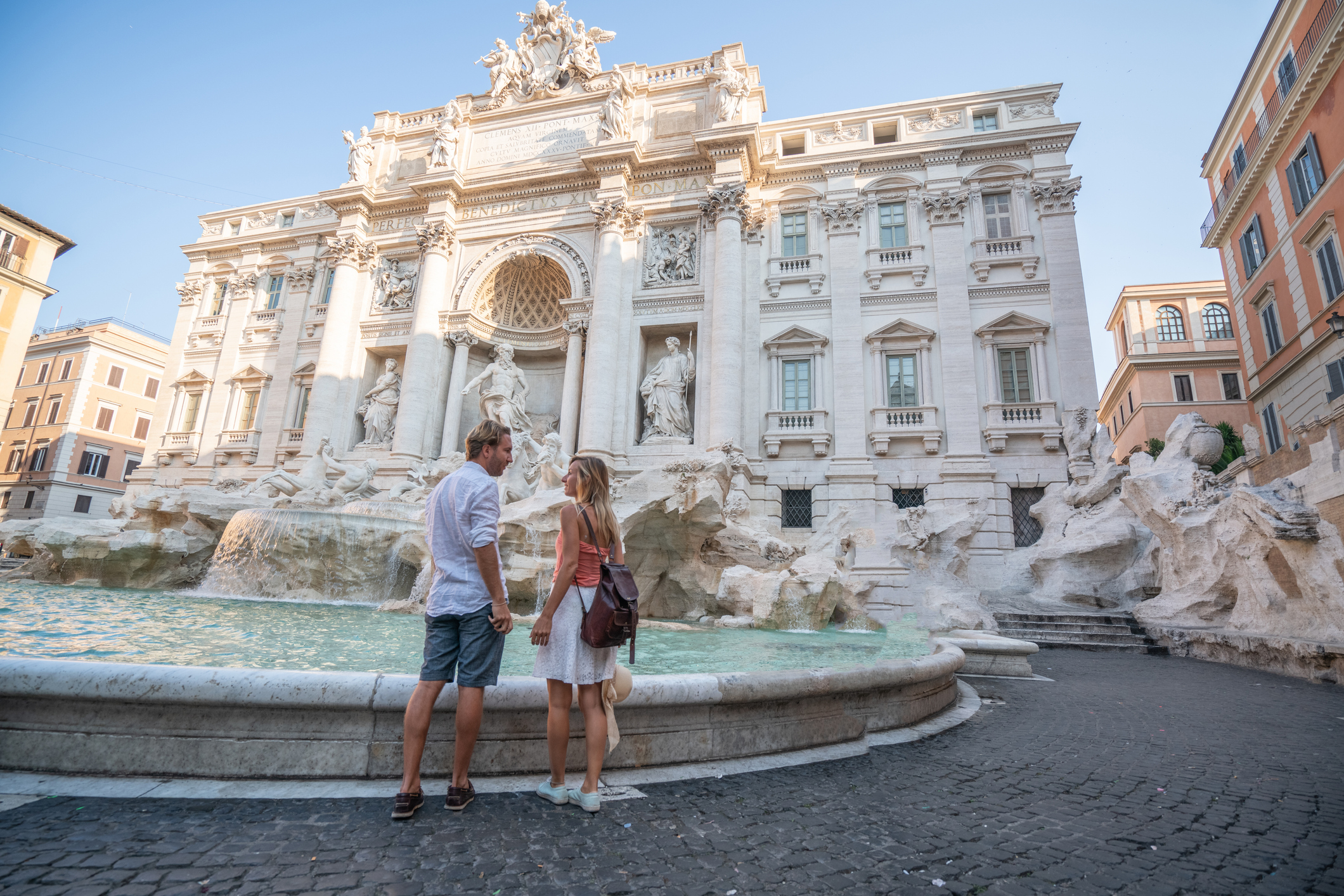
The Pantheon, a nearly 2,000-year-old Roman temple, is free to enter and famous for its massive unsupported dome. A short walk away, the Trevi Fountain draws crowds throwing coins for good luck.
Visit both early mornings for a quieter experience. By midday, the Trevi Fountain area gets genuinely packed.
Piazza Navona & the Spanish Steps
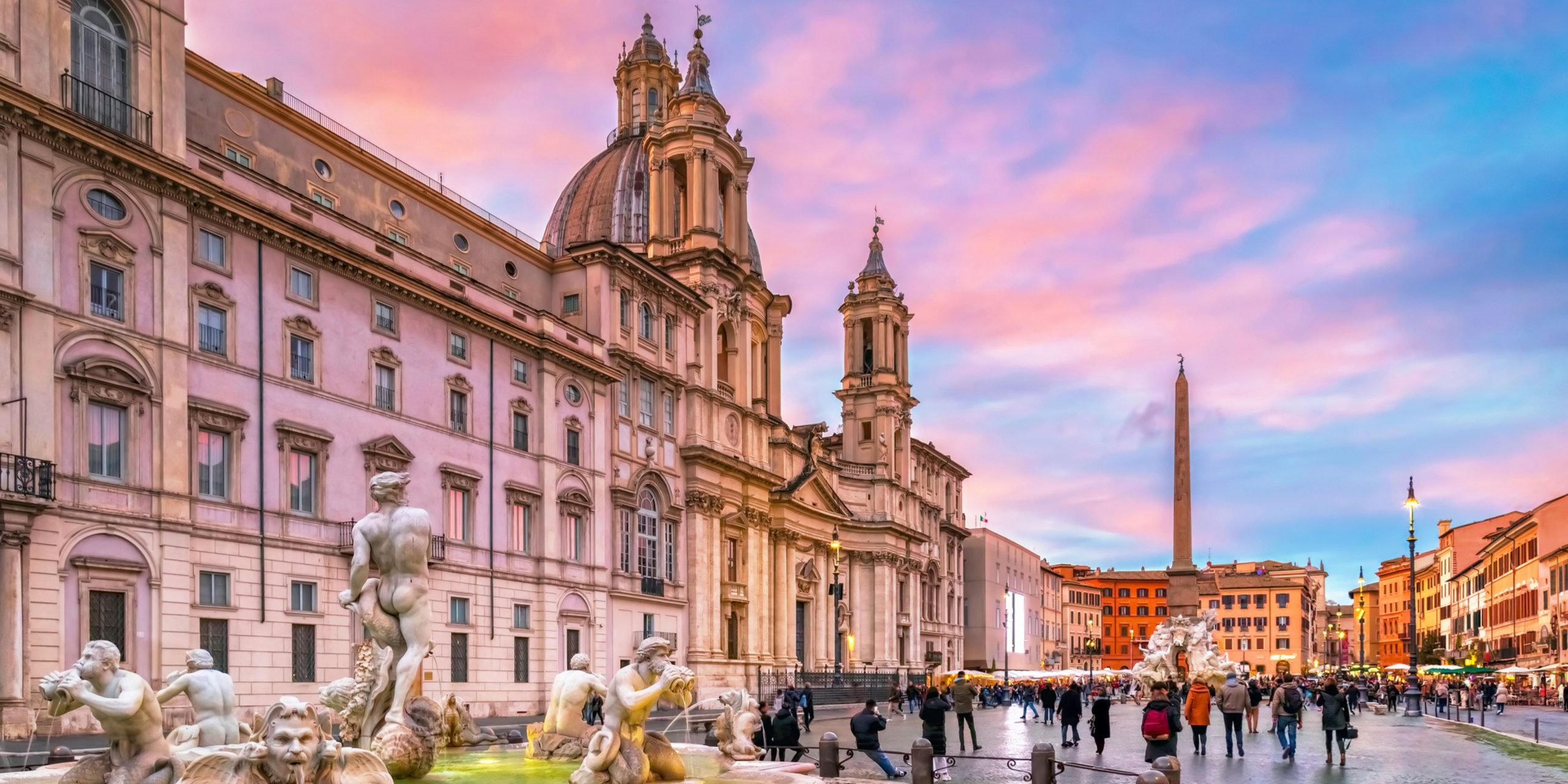
Piazza Navona’s Baroque fountains, including Bernini’s Fountain of the Four Rivers, make it one of Rome’s most photogenic squares. Cafés line the edges for people-watching.
The Spanish Steps, an 18th-century staircase, remain a popular meeting point nearby. Both sites are free and easy to combine with a Centro Storico walk.
Other Notable Sights
Here’s a supplementary table covering other notable sights as well.
| Site | What It Is | Cost / Notes |
| Borghese Gallery | Villa housing Bernini and Caravaggio masterpieces | €15, timed entry, book ahead |
| Castel Sant’Angelo | Fortress and former papal tomb with river views | €14, connected to Vatican by a scenic bridge |
| Palatine Hill | Ancient hilltop where Rome’s elite once lived | Included in Colosseum/Forum combo ticket |
| Circus Maximus | Site of ancient chariot races, now open parkland | Free, best for a short outdoor stop |
| Catacombs of San Callisto | Underground Christian burial tunnels | €10, guided tours only |
| Trastevere | Historic neighborhood with cobblestone streets and nightlife | Free to explore, best visited on foot |
| Campo de’ Fiori | Lively market square by day, social hub by night | Free, morning market runs until early afternoon |
What to Eat in Rome
The main focus of Roman cuisine is the few and chosen pasta dishes: cacio e pepe, carbonara, and amatriciana. First of all, they involve only a few ingredients, but if these are picked well, the dishes turn out to be really rewarding. A casual plate like this will be at around €12 – 18. The price will be higher in touristy areas near major sights.
Rome is where street food really excels, especially if you are on a budget. A slice of pizza, pizza al taglio, goes for around €3 – 5, and supplì (fried, filled rice balls) are sold for about €2-3 each. Venues with markets like Campo de’ Fiori and Testaccio are nice places to sample both, and make an easy, budget-friendly stop for group travel with friends who want to try a bit of everything
As far as dessert goes, maritozzi (buns filled with cream) are the Roman sweet that you will not want to miss.
Common Tourist Mistakes to Avoid in Rome
A few small missteps can add unnecessary cost or hassle to an otherwise smooth trip:
- Skipping advance bookings: Major sites like the Colosseum and Vatican Museums cap daily entries; walk-up lines can run over an hour.
- Sitting down without checking prices: Table service in touristy areas often includes a coperto (cover charge) of €2 – 4 per person.
- Ignoring the tourist tax: Most accommodations charge €3 – 7 per person, per night, separately from the room rate.
- Overpacking the itinerary: Rome rewards a slower pace; rushing between sights leaves little room to enjoy meals or wander.
- Carrying valuables loosely: Pickpocketing is common near the Colosseum, Trevi Fountain, and crowded public transport.
- Skipping water refills: Rome’s public fountains (nasoni) provide free, drinkable water throughout the city. Avoid the guesswork altogether. Request a tailor-made trip to Rome and let our local experts handle the details for you.
Day Trips from Rome
In contrast to Pompeii, Ostia Antica is much less crowded. It is a Roman port town beautifully preserved and it takes only 30 minutes by train to get there. The crowd is small and there is no need for advance booking
About one hour outside of Rome, Tivoli is the site for Villa d’Este gardens and fountains, a popular half-day escape for honeymoons in Italy looking for a romantic, less crowded setting. You will also find the ruins of Hadrian’s Villa there.
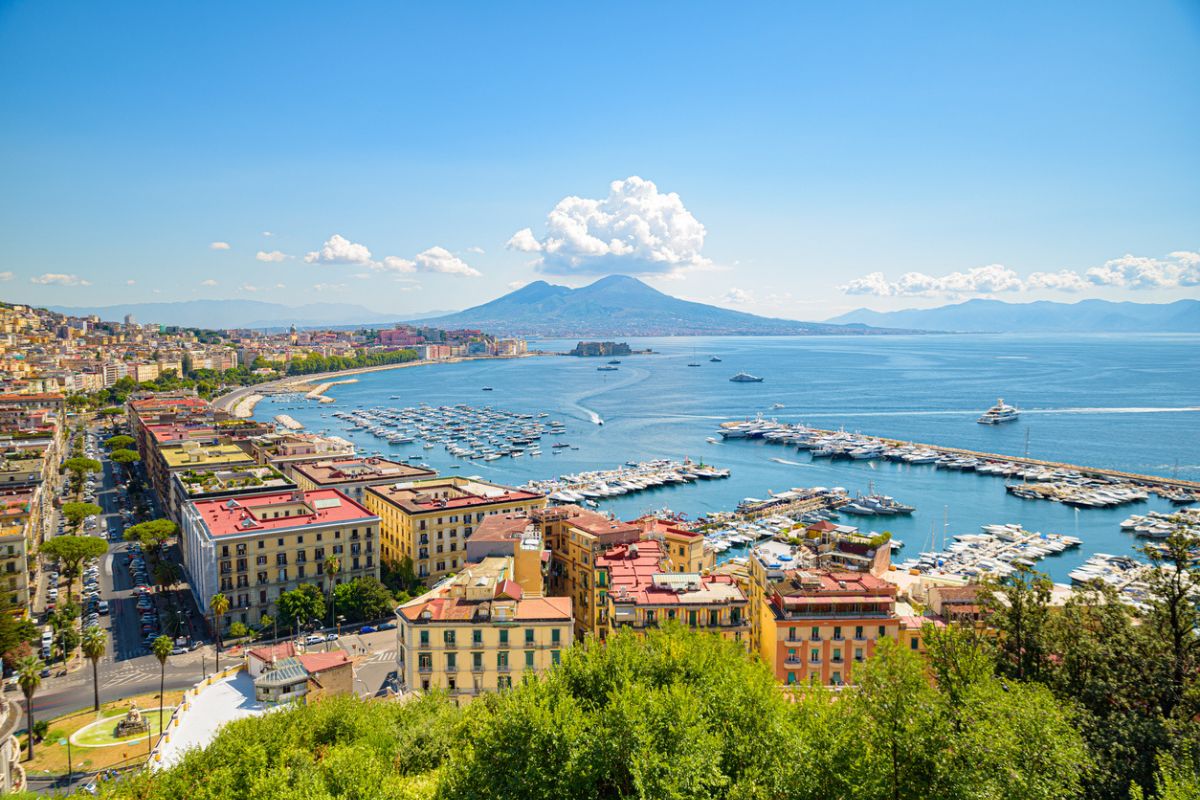
If you move even further, Naples and Pompeii are excellent choices for longer day trips. In Pompeii you will see the ruins of the city buried by Vesuvius. Naples is the home to Italy’s best pizza.
Those who are into hilltop villages and more hidden areas of central Italy, will find Civita di Bagnoregio and Assisi perfect.
Final Thoughts
This Rome travel guide focuses on the essentials: pre-booking the biggest attractions, deciding the best time to visit, setting a realistic budget, and getting acquainted with good eating and lodging areas. Rome is a city that appreciates those who combine its main sights with a leisurely pace. A handful of days dividing the time between the Colosseum, the Vatican, and a spot in a trattoria will accomplish much more than attempting to see everything in one go.
If Rome has ignited your desire for more Mediterranean history and culture, Greece Insiders is available to assist you in organizing your next trip to Italy! Three of our trips start in Rome: a culinary journey through Rome, Siena and Bologna, a leisurely 10 days in Rome and Florence for seniors and a 7-day leisurely escape to Rome and Florence.
Feeling Ready?
From our blog
Aliki Beach, Paros: Three Beaches, One Name
READ MORE
Ioannina, Greece: The Lake City Between Athens and Corfu
READ MORE
Kalamata, Greece: How to Get There, What to See, When to Go
READ MORE
Logaras Beach, Paros: Where to Swim When the Sun Bites
READ MORE
Athens to Santorini: Ferry or Flight? (2027 Guide)
READ MORE
Athens to Santorini: Ferry or Flight? (2027 Guide)
READ MORE
Piso Livadi Beach, Paros: Sand, Tavernas and the Boat Out
READ MORE
Aegina, Greece: A Practical Island Guide (2026)
READ MORE
Spetses, Greece: Everything you need to know (2026)
READ MORE