Kefalonia Weather: Month-by-Month Guide & Best Time to Go
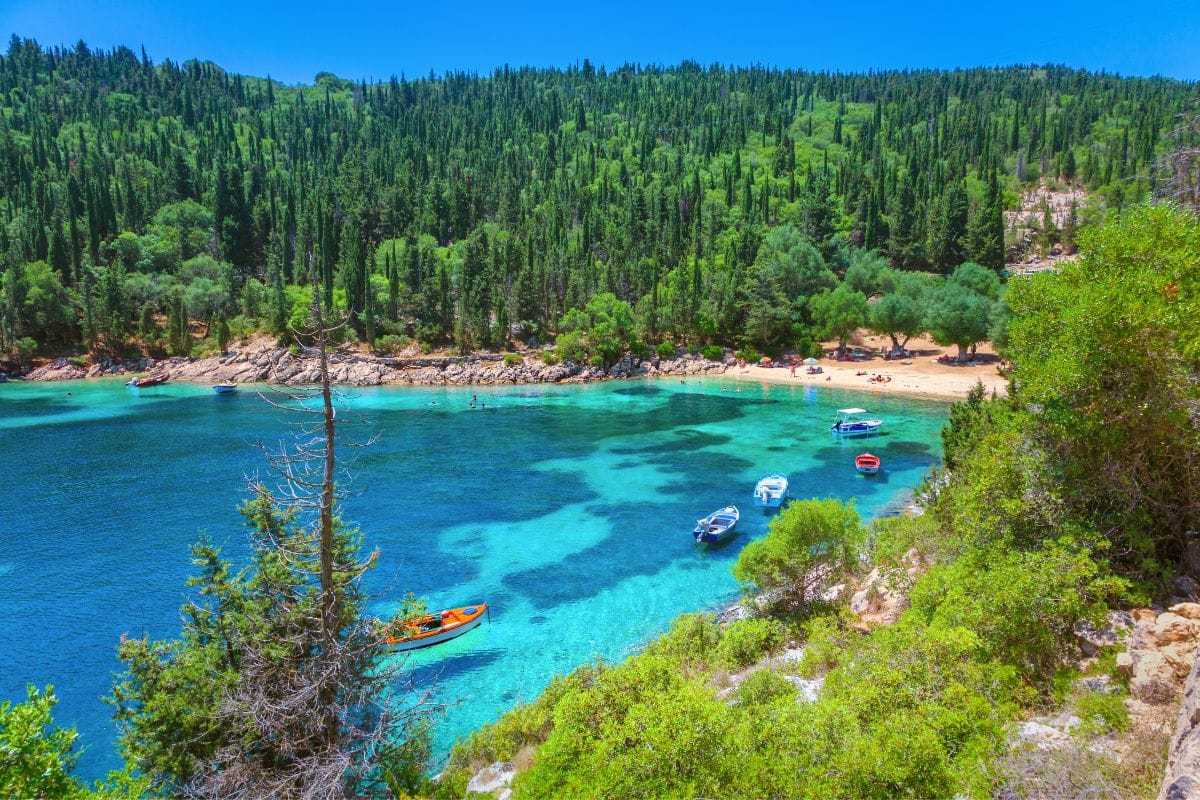
Kefalonia weather is typical of Mediterranean regions. The summers are hot and dry from June to September, and the winters are mild and rainy from November to March. The average temperature in January is around 10°C (50°F), whereas in August it rises to about 27°C (81°F). The sea is hottest in August when it is approximately 26°C (79°F).
The appropriate month to visit depends a lot on what you want out of your trip to Kefalonia. So, this guide will provide you with a month-to-month overview of the weather, temperature, sea conditions, precipitation, and sunshine and tips on the best time to come and what to pack.
Let’s get into it!
Kefalonia Weather Overview: Climate at a Glance
 Weather Overview: Climate at a Glance
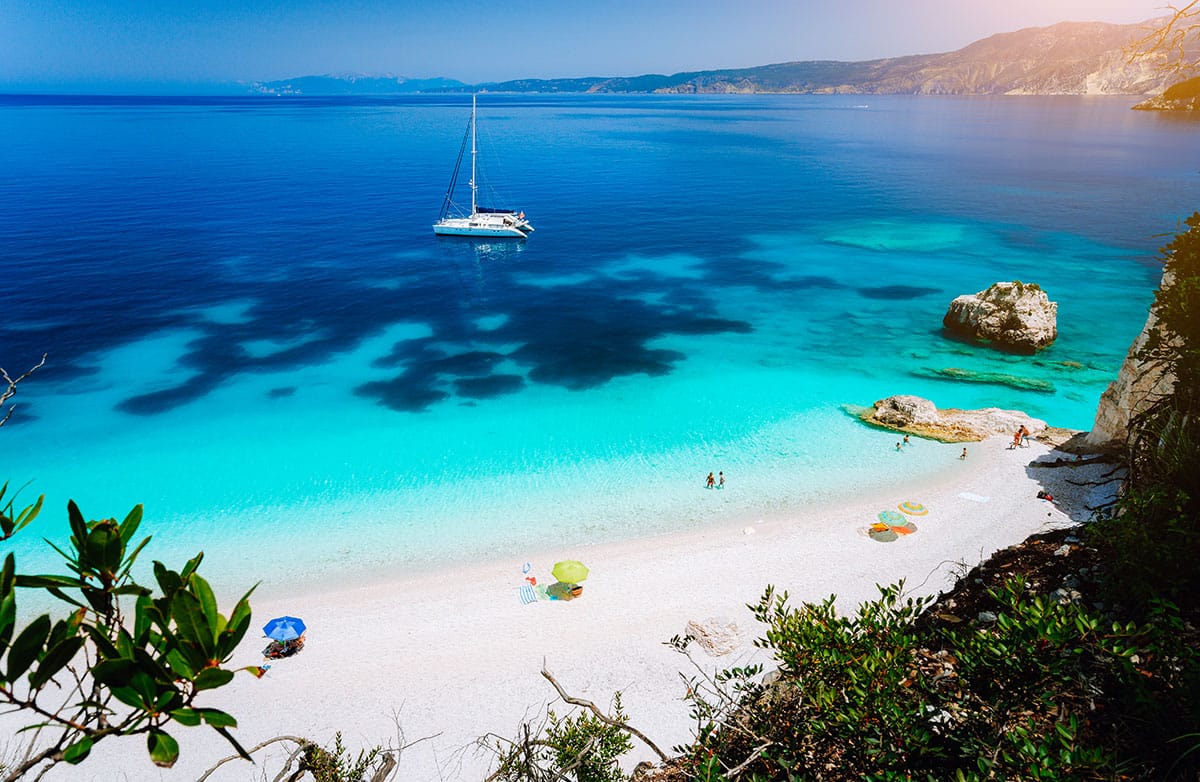
Kefalonia is a Mediterranean island with a summer that can be really hot and dry, and a mild winter with rainfall. The island gets 795 – 800mm of precipitation per year, mostly in autumn and winter whereas it enjoys about 2,865 sunny hours. The sea temperature varies between 15°C (59°F) in winter and 26.5°C (80°F) in August which makes the Ionian waters very warm for swimming.
| Month | Key Figure | |
| Hottest | August | Avg 26.6°C (80°F), highs to 31°C (88°F) |
| Coldest | January | Avg 11.7° C (53°F), lows to 3.5°C (38°F) |
| Wettest | December | 115 – 190mm rain over ~15 days |
| Driest | July | Under 6mm rain |
Rainfall and Sunshine in Kefalonia
Kefalonia has an annual precipitation of 795 – 800mm mostly concentrated in the October to April time frame. Summer months are generally dry with June, July and August together usually receiving less than 15mm of rainfall, whereas December is the wettest month with 115 – 190mm of precipitation (depending on the weather station). Sunshine has its highest duration in July with over 12 hours per day and the lowest is in December at around a mere 4 hours. Although snow at sea level is unusual, it does sporadically fall on Mount Ainos which is located in the island’s central part.
Sea Temperature in Kefalonia by Month
Kefalonia sea has its highest temperature in August of around 26°C (79°F) and the lowest one in February at about 15°C (59°F). The best time to swim is between late June through early October as sea temperature then remains above 22°C (72°F).
| Month | Sea Temp (°C) | Sea Temp (°F) |
|---|---|---|
| January | 16°C | 61°F |
| February | 15°C | 59°F |
| March | 15°C | 59°F |
| April | 16°C | 61°F |
| May | 18°C | 64°F |
| June | 22°C | 72°F |
| July | 25°C | 77°F |
| August | 26°C | 79°F |
| September | 24°C | 75°F |
| October | 22°C | 72°F |
| November | 19°C | 66°F |
| December | 17°C | 63°F |
Kefalonia Weather by Month
Below is a monthly guide on what you can expect in Kefalonia, including temperature averages, sea temperatures, precipitation, and hours of sunshine. Each month brings something of its own to the island. Some are more peaceful, others create a lush nature and others offer bright and long sunshine. So, it’s good to know which month fits your travel plans best.
Kefalonia Weather in January
January is the chilliest month in Kefalonia with temperatures reaching only 14°C (58°F) during the day and 9°C (48°F) at night as an average. The sea temperature stands at 15°C (59°F) which might be a bit too cold for swimming. Besides, it is also one of the months with the highest amount of rain, about 105mm which falls over 9 days. Moreover, the island gets only 4 hours of sunshine per day. Due to most tourism businesses being low, the island is peaceful, quiet and greener, with locals getting on with their ordinary lives.
Kefalonia Weather in February
February is mild and fairly cool. Temperatures in February generally range from 14.7°C (58°F) to 9°C (48°F). The sea temperature drops to its lowest level at about 15°C (59°F) and rainfall remains high at about 95mm. February gives 5 hours of sunshine, plus this month is also the windiest on the island. The local carnival festivities in towns like Argostoli infuse some vibrancy but the tourism scene is still very low. Ideal for travellers desiring a peaceful break in the off-season.
Kefalonia Weather in March
In March, the weather in Kefalonia starts to bloom along with the nature of the island, and the average day temperatures reach 16°C (61°F), while the nights get down to 10°C (50°F). The water temperature remains quite low at approximately 15°C (59°F), which is still pretty cold to consider swimming. March precipitation drops to 73mm, which is roughly divided over 9 days, and sunlight hours boost to 6 per day. The first blossoms of spring appear on the island, nature turns emerald, thus couples, nature lovers, and photography fans will find March a beautiful month to visit Kefalonia before the tourist season strikes.
Kefalonia Weather in April
The first thing you notice about April in Kefalonia is the warmth of the sunshine and the invigorating freshness of the air with average highs of 19°C (66°F) and lows of 12°C (54°F). The air is warming up to around 16°C (61°F), which keeps swimming quite off the list unless you are really a cold-water person. Rain continues to decline to roughly 58mm, while the sun sums up to 8 hours a day on average. Easter celebrations make the island more vibrant, and ferry trips to the mainland and other Ionian islands become more regular, making April a pleasant time for a trip to Greece focused on island exploration. In a word, April is a perfect time to visit if you want to see the spring flowers, do some sightseeing in mild weather and enjoy the season without getting heated up and crowded.
Kefalonia Weather in May
May is certainly one of the most enjoyable months to be in Kefalonia, given its very pleasant average daily temperature highs of 23°C (74°F) and lows of 15°C (60°F). Some days the temperature rises to 29°C (84°F). The sea temperature will be at about 18 – 19°C (64 – 66°F), which is still somewhat cool but a bit more welcoming. The precipitation is minimal at only 24mm spread over 4 days, with 10 hours of sunshine every day. The tourist season really goes full throttle, making May a perfect time for hiking Mount Ainos, wandering through villages and enjoying the tranquility of beaches before the summer crowd arrives.
Kefalonia Weather in June
In June, Kefalonia experiences a true summer atmosphere. Daytime temperatures average at 28°C (82°F), while at night it can cool down to 18°C (64°F). Swimming should be pleasant as the sea temperature rises to a nice 22°C (72°F). You can expect hardly any rainy days as precipitation amounts to only 13 mm distributed over 2 days, and the island will be illuminated by the sun for 12 or more hours each day. June will give you a chance to enjoy summer time in Kefalonia at its best. You will get warm seas to swim in, nice lively beaches and long bright evenings. At the same time, the island is not full of tourists as it usually happens in late July and August.
Kefalonia Weather in July
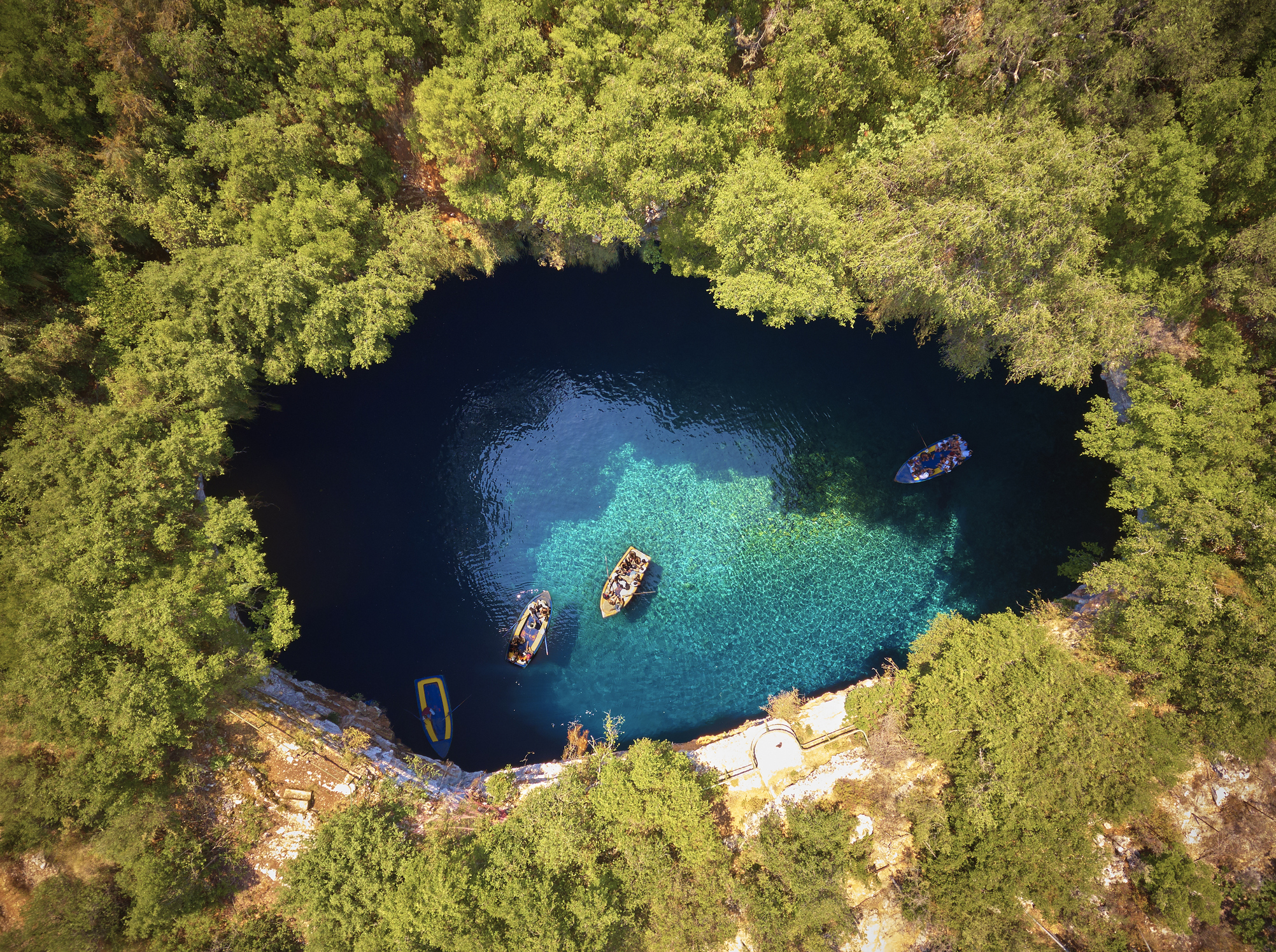
July is certainly one of the hottest months in Kefalonia with the normal daytime temperature of around 30°C (87°F) and the nighttime one of around 22°C (71°F). Swimmers will like this month as the water temperature will be at 25°C (77°F), and the amount of precipitation at its lowest, namely just 5 – 6mm, which makes July the driest month on the island. In addition, the hours of daylight will range from 12 to 14, while humidity is expected to be 64%. The island becomes very crowded, especially resorts and beaches. July is an excellent time for travelers who are looking for the combination of guaranteed sunshine, a full beach-bar atmosphere, and warm sea swimming every day, especially for group travel with friends in Greece.
Kefalonia Weather in August
August is the month with the highest temperature in Kefalonia. Normally, in the daytime, you can expect an average temperature of 31°C (88°F), while it will be around 22°C (72°F) at night. The sea will be at its warmest point of the year reaching around 26°C (79°F), and precipitation will be very low, at about 10mm. The average sunshine duration is 12 hours a day. August is also the busiest month on the whole island, especially around the August 15 holiday, so book in advance if possible.
Kefalonia Weather in September
September is often considered the ideal time to plan a trip to Kefalonia thanks to the warm sea, pleasant evenings, and fewer crowds, making it especially appealing for honeymoon travel in Greece. The average daily maximum temperature ranges between 27 – 28°C (81 – 82°F), while the minimum is 18°C (64°F). The sea temperature remains very pleasant at about 24°C (75°F), which means you can still enjoy swimming at the beach. The amount of rain gradually increases to an average of 51mm, while the sunshine hours average 9 – 10 per day.
Besides the grape harvesting season that infuses vitality to the local villages and winemaking areas, visitors significantly decrease following the August peak, thus making September the choice month of many repeat visitors for warm seas, pleasant nights, and less crowded beaches.
Kefalonia Weather in October
The weather in Kefalonia in October features warm, nice days mainly with the temperatures not exceeding 23°C (74°F) and dropping to 15°C (59°F) at night. During this time of year, the sea stays warm enough at about 22°C (72°F) for swimming, especially if you are planning your visit in the first half of the month. Rainfall will be much more evident at about 106mm and there will only be 7 hours of sunshine each day. Ferry operations and other tourist-related services are scheduled to decrease after the middle of the month. October is perfect for those visitors who wish to see colourful autumn foliage, enjoy good weather for sightseeing, and get their last swim in before the rainy season really arrives.
Kefalonia Weather in November
November is when the wet season starts in Kefalonia, and temperatures get down to about 18 – 20°C (64 – 68°F) during the day and 10°C (50°F) at night. The sea temperature drops to around 19 – 20°C (66 – 68°F), which is quite chilly for swimming for most people. Rainfall increases significantly to approximately 165mm over 13 days, and hours of sunshine reduce to only 5 per day. Many tourism services and seasonal hotels shut down for the winter. November is a good time for people who want to see quiet villages, dramatic skies, and the real island without the tourists.
Kefalonia Weather in December
December is by far the wettest month in Kefalonia, and the island is almost empty of tourists. The temperature can get up to 14 – 15°C (57 – 59°F), but it is not unusual for the lowest temperature to reach 7 – 8°C (45 – 46°F). The sea temperature stays at around 17°C (63°F). Rainfall levels are at their highest point of the year at about 187mm over 15 days, and hours of sunshine per day are down to only 4. Despite the wet weather, the climate remains mild compared to northern Europe so December is a lovely, atmospheric time to be around the locals, see the island’s natural beauty, and experience the island’s other side without the crowds.
When Is the Best Time to Visit Kefalonia?
The cheapest time to visit Kefalonia is the low season of November to March when the weather is cold and rainy. If you’re planning a trip to Greece focused on beaches, island hopping, and warm weather, late May to mid-October is considered the ideal period to visit Kefalonia and the Ionian Islands. Many tourists and locals consider June and September as the most pleasant months on the island. The average temperature during these two months is about 24 – 28°C (75 – 82°F). Moreover, the sea temperature is warm and inviting at 22 – 24°C (72 – 75°F). At the same time, possibilities for rain are very limited.
Best Time for a Beach Holiday
The prime time for a beach holiday in Kefalonia is June to mid-September, especially for travelers planning family travel in Greece around beach time and outdoor activities. You should request a tailor-made trip to Kefalonia during this period to enjoy the island’s beaches, boat tours, and seaside villages at their best. During these months, the sea is warm, sunshine is abundant and the rain is practically non-existent.
Sea temperatures are around 22°C (72°F) in June and reach their highest at 26°C (79°F) in August, while the amount of rain stays below 15mm during these months. Famous Kefalonia beaches such as Myrtos, Antisamos, Petani, and Skala are very lively and beach bars, water sports, and boat tours are operating at their fullest. If you want the warmest sea with a slightly less crowded environment, early September is really hard to beat.
Best Time for Hiking and Sightseeing
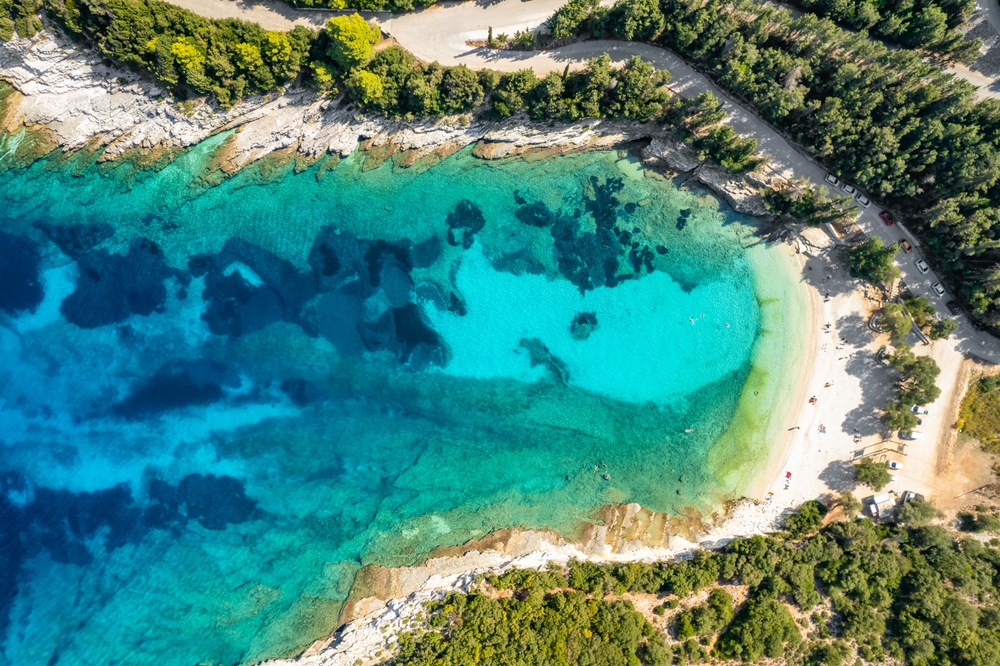
Kefalonia is best visited in May and the first half of October for hiking and sightseeing. These are the months when the weather is comfortable and the nature around is at its most beautiful for taking pictures. The temperature can reach up to 23°C (74°F) in May and at that time wildflowers bloom and hillsides become green, whereas in October, you get around 23°C, warm days and beautiful autumnal colours. Besides, visiting the Mount Ainos trails, the cave of Melissani, and Assos and Fiskardo villages during these months will be much more enjoyable than in the very hot weather of July and August.
Best Time to Avoid Crowds
If you’d like to get away from tourists and see Kefalonia in a more peaceful setting, the best months are late May, June, September (late) and early October. The shoulder season brings good weather and tourist businesses are mostly open, making it an excellent period for senior travel in Greece, especially for travelers who prefer a quieter pace. Late July, especially August, and the period around the August 15 holiday, are the most crowded weeks when prices of accommodation rise and places like Myrtos Beach, Melissani Cave and Fiskardo may seem very crowded. Going before or after those dates will make it easier to decide where to stay in Kefalonia, while also allowing you to enjoy beaches with far fewer people.
What to Pack for Kefalonia by Season

What you bring to Kefalonia depends largely on the season as the weather changes quite significantly throughout the year. Here is a short, timing-based guide to help you pack!
- Spring (March – May): A few warm layers and a rain jacket for light rains will help you when the days are warm but nights are cool. Also comfortable shoes for hikes and walking in villages are a must. In addition, you will need swimsuits by the time it gets to late May.
- Summer (June – August): You will need SPF 30+ sunscreen, a sun hat, swimsuits, sunglasses, and even a light evening layer to keep you warm during the sea breeze after the darkness. Strong sandals come handy for stony beaches such as Myrtos.
- Autumn (September – November): Swimsuit and summer clothes are needed for the first half of the season, together with waterproof and closed shoes starting from late October, as rain becomes more frequent.
- Winter (December – February): Bring warm clothes, a waterproof jacket or umbrella, reliable shoes for slippery grounds, and a jumper or fleece to keep you warm during the evenings, especially in the inner parts of the island.
Plan Your Trip Around Kefalonia’s Weather
Kefalonia weather offers every traveler a reason to visit the island, like the warm beach days in July and August, the trails full of green in May or the charming and peaceful winters. Most people find June and September to be the best months because of the inviting sea, the bright sunshine and the low number of visitors that make sightseeing and exploring much easier. No matter which month you decide on, knowing what to expect will help you plan accordingly.
But if you prefer to leave planning to the experts, then talk to Greece Insiders. Check our travel packages to Greece or discuss your ideas of a dream vacation and let us plan the trip of your dreams!
Feeling Ready?
From our blog
Aliki Beach, Paros: Three Beaches, One Name
READ MORE
Ioannina, Greece: The Lake City Between Athens and Corfu
READ MORE
Kalamata, Greece: How to Get There, What to See, When to Go
READ MORE
Logaras Beach, Paros: Where to Swim When the Sun Bites
READ MORE
Athens to Santorini: Ferry or Flight? (2027 Guide)
READ MORE
Athens to Santorini: Ferry or Flight? (2027 Guide)
READ MORE
Piso Livadi Beach, Paros: Sand, Tavernas and the Boat Out
READ MORE
Aegina, Greece: A Practical Island Guide (2026)
READ MORE
Spetses, Greece: Everything you need to know (2026)
READ MORE