How to Plan a Trip to Greece
If you want to know how to plan a trip to Greece, then this article will give you the answers you need! You will discover a step by step guide that covers everything from travel goals and best time to visit Greece, to itineraries, budget, specific destinations, flights, accommodation and everything else you need to know!
A trip to Greece can be a truly memorable experience, and planning it right is the best way to ensure it. So, let’s not delay it any further and jump right into it!
How Much Does a Typical Trip to Greece Cost?
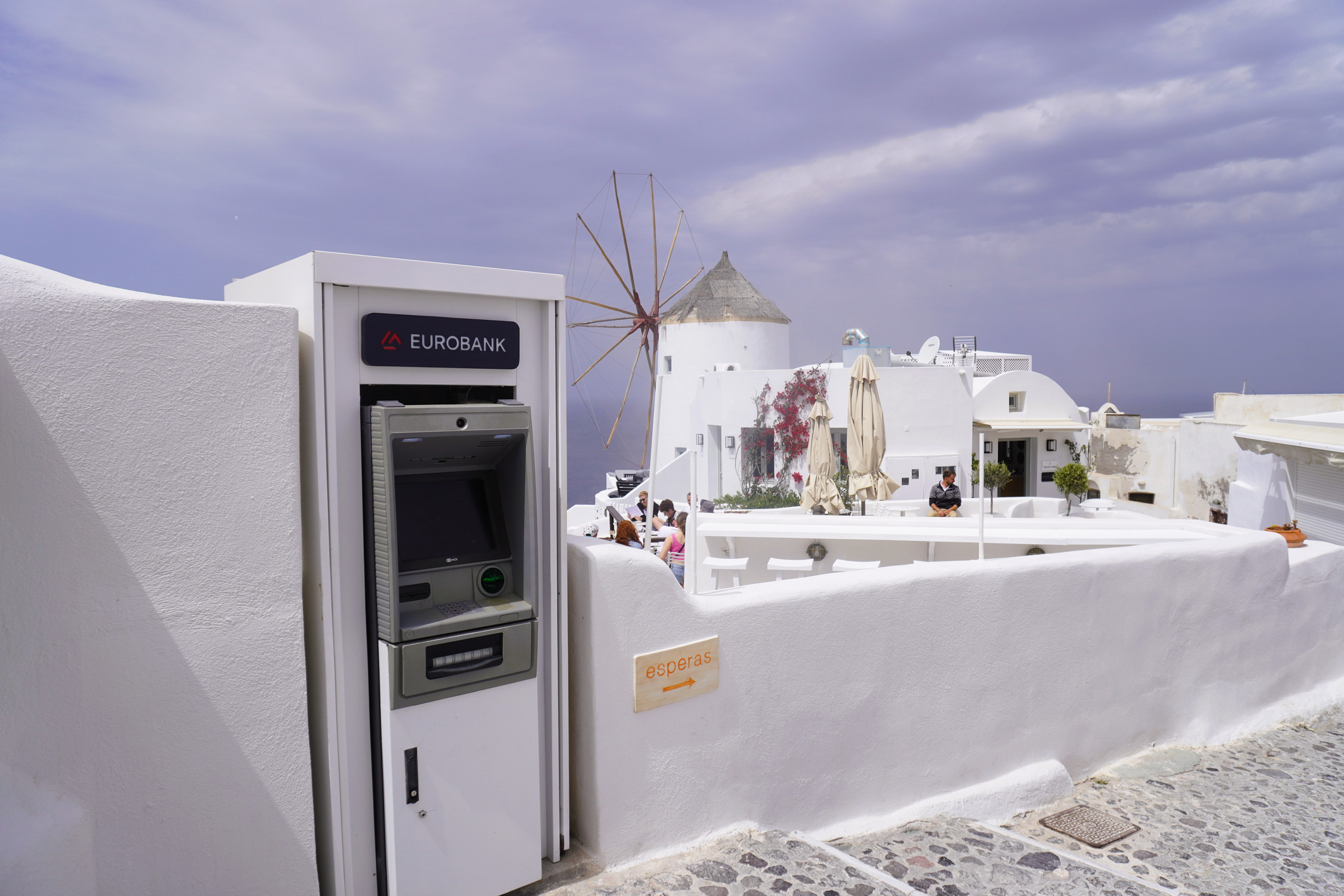
The usual budget for a trip to Greece for one week is in the range of $1,400 – $3,700 per person, flight tickets not included. Budget travelers can manage on $50 – $80 a day, while those wishing a mid-range holiday will spend $150 – $250, and those going for luxury will spend more than $400. The plane tickets from the USA will cost an additional $600 -$1,400, the amount varying according to the season and how early the booking is made.
Step 1: Define Your Travel Goals
It is always a good idea to take a moment to think about what you want from your trip before booking anything. Greece can be many different things and your desires should dictate what you do there. Knowing what you want makes the process of scheduling everything else much simpler for you.
Your first concern should be deciding if you prefer ancient history and culture or beaches and relaxation. If you find royal ancient ruins, then seeing the mainland (Athens, Delphi Meteora, Peloponnese) should be your main focus. On the other hand, if you prefer crystal-clear seas, then the Cyclades or Crete are probably the best options for you. Naturally, you can always mix things up as most people do.
Travelers who are new to Greece usually want to explore the most famous spots such as the Acropolis, Santorini or take trips between islands. But repeat visitors are often ready to explore a little more and discover hidden treasures such as lesser-known islands, mountain villages and the regional food scene.
Finally, consider whom you are travelling with. The more flexible and faster solo travelers normally move faster. Couples usually look for romantic places and to slow down, often choosing honeymoon trips in Greece for a more intimate experience. Families, on the other hand, need beaches that are safe and pleasant for different age groups and accommodation that suits everyone, especially when planning family-friendly trips in Greece. Knowing these things now is really going to affect the way you proceed later on.
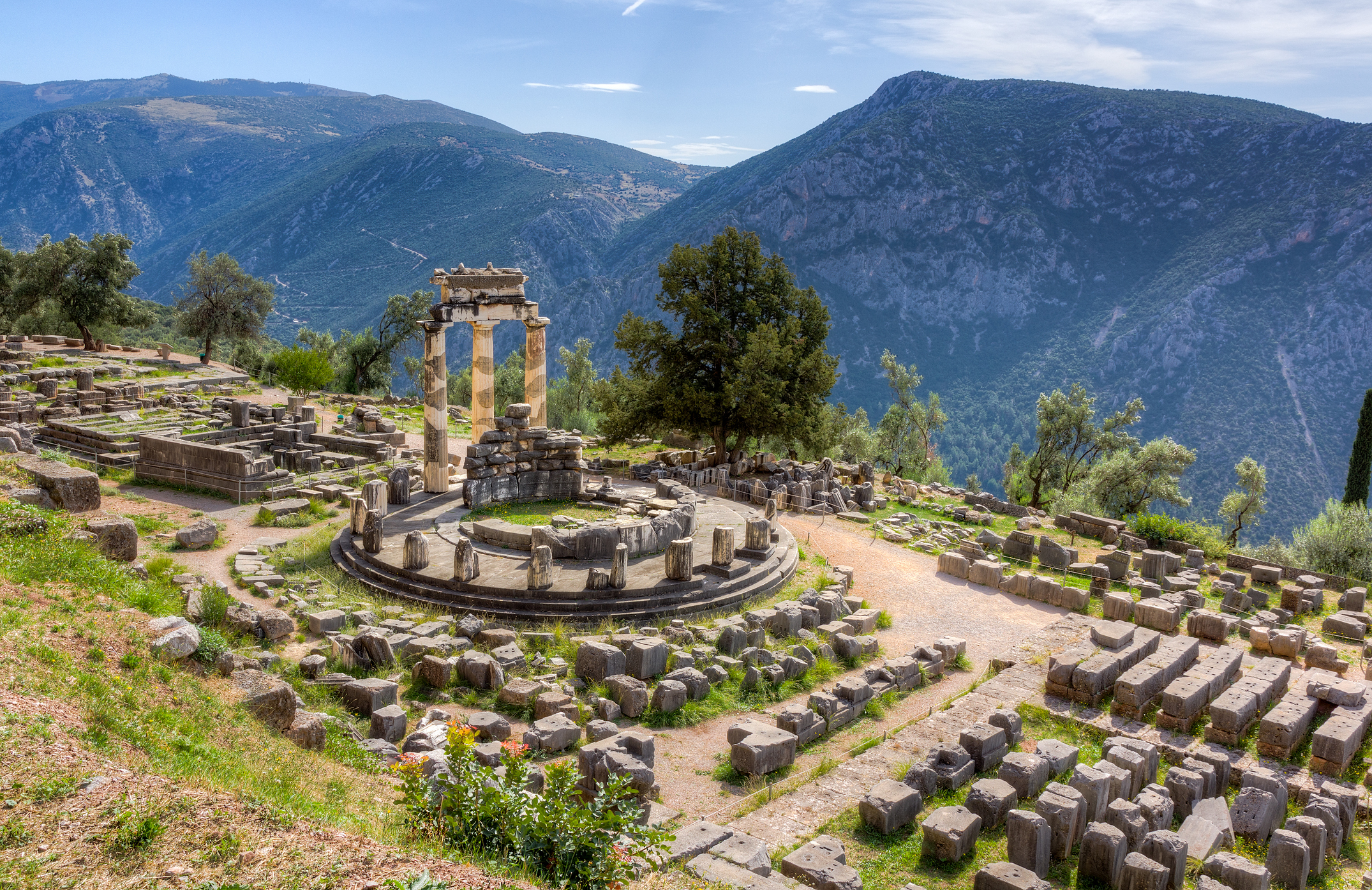
Step 2: Choose the Best Time to Visit Greece
The time you go to Greece will most likely affect your whole experience more than any other decision you make.
The shoulder season (April – May and September – October) is the golden mean for the majority of travellers. The weather is nice and warm, crowds are manageable, the prices are significantly lower than summer ones, and all destinations are open and fully operating. September offers a combination of the warm sea and a calm, more local atmosphere.
Peak summer (June – August) is the best time if beach, swimming, and nightlife are at the top of your list. At that time, the islands are the most lively, ferry transfers frequent, and days long and sunny without fail. But of course, there are crowds in popular places like Santorini and Mykonos, prices for accommodation reach their maximum and the heat in July and August may be very uncomfortable, especially in Athens.
Winter (November – March) would come in handy if you are planning to focus on Athens, Thessaloniki, or mainland destinations, making it a great option for senior travel in Greece thanks to the slower pace and fewer crowds. Prices fall considerably and major tourist attractions are crowd-free. On the other hand, smaller islands close down in winter, with limited ferry services and many hotels and restaurants shutting down.
Step 3: Set Your Budget
As a rough guide for daily spending, travelers on a tight budget could manage on $50 – $80 a day, mid-range vacations would cost $150 – $250, and luxury travel would be over $400. Island choice and season are the two biggest factors that determine how much a trip will cost. Islands like Santorini and Mykonos are quite expensive in comparison to islands like Naxos or Paros, and July – August prices are much higher than shoulder seasons.
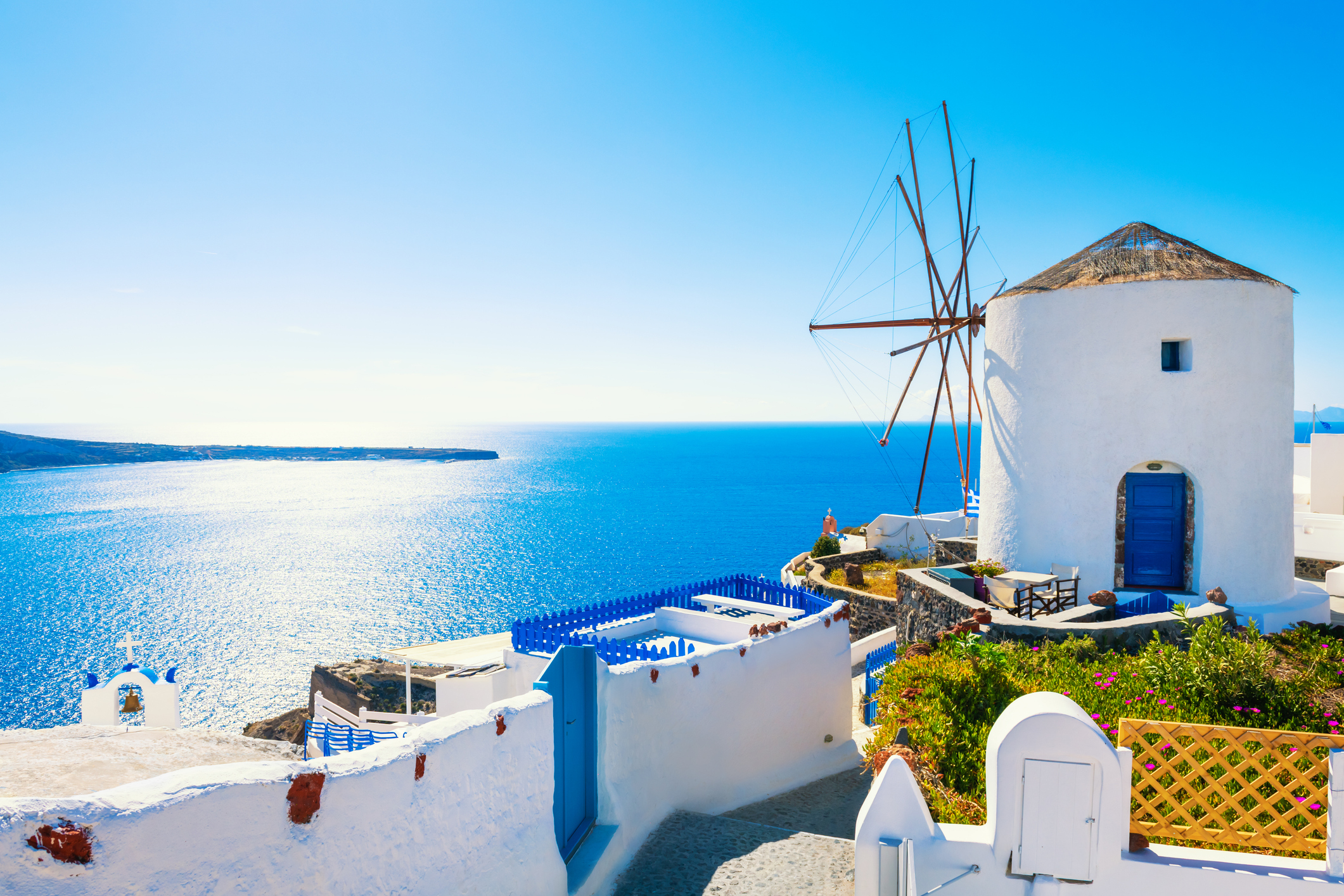
How to Plan a Trip to Greece on a Budget
With a good plan, a budget trip to Greece can be done very easily. Traveling in April – May or September – October will reduce expenses by 20 – 40% as compared to peak summer. Opting for Naxos, Paros, or Milos instead of Santorini and Mykonos will give you almost the same beautiful scenes for a much lower price. Also, booking ferries early instead of flying between islands will save you a lot. Most importantly, making all the arrangements with a reliable travel partner and having fixed, clear pricing and no hidden fees is the best way to ensure that your budget remains on track from beginning to end.
Step 4: Decide How Long to Spend in Greece
The amount of time you spend in Greece will determine how much you can cover.
Five days should be enough for Athens and an island, if you plan thoroughly and pick a well-connected destination like Santorini or Naxos. It is quite a fast-paced trip, but certainly possible.
A week allows you to mix Athens with two other destinations. Spend a night or two in the city and then go to Mykonos and Santorini or combine Athens with a road trip to the Peloponnese.
Ten days is the ideal duration for most first-time visitors. It provides you with sufficient time to fully discover Athens, travel between two or three islands without being hurried, and experience the rhythm of Greek life rather than just passing through it.
Two weeks presents the complete picture. A bit of the mainland, multiple islands, and the kind of slow travel that Greece genuinely rewards. In two weeks, you could include Athens, a mainland location like Meteora or Delphi, and a proper island-hopping itinerary through the Cyclades or even further.
The biggest mistake by far of first-time visitors is trying to see too much in too little time. When you are uncertain, do less and enjoy it more.
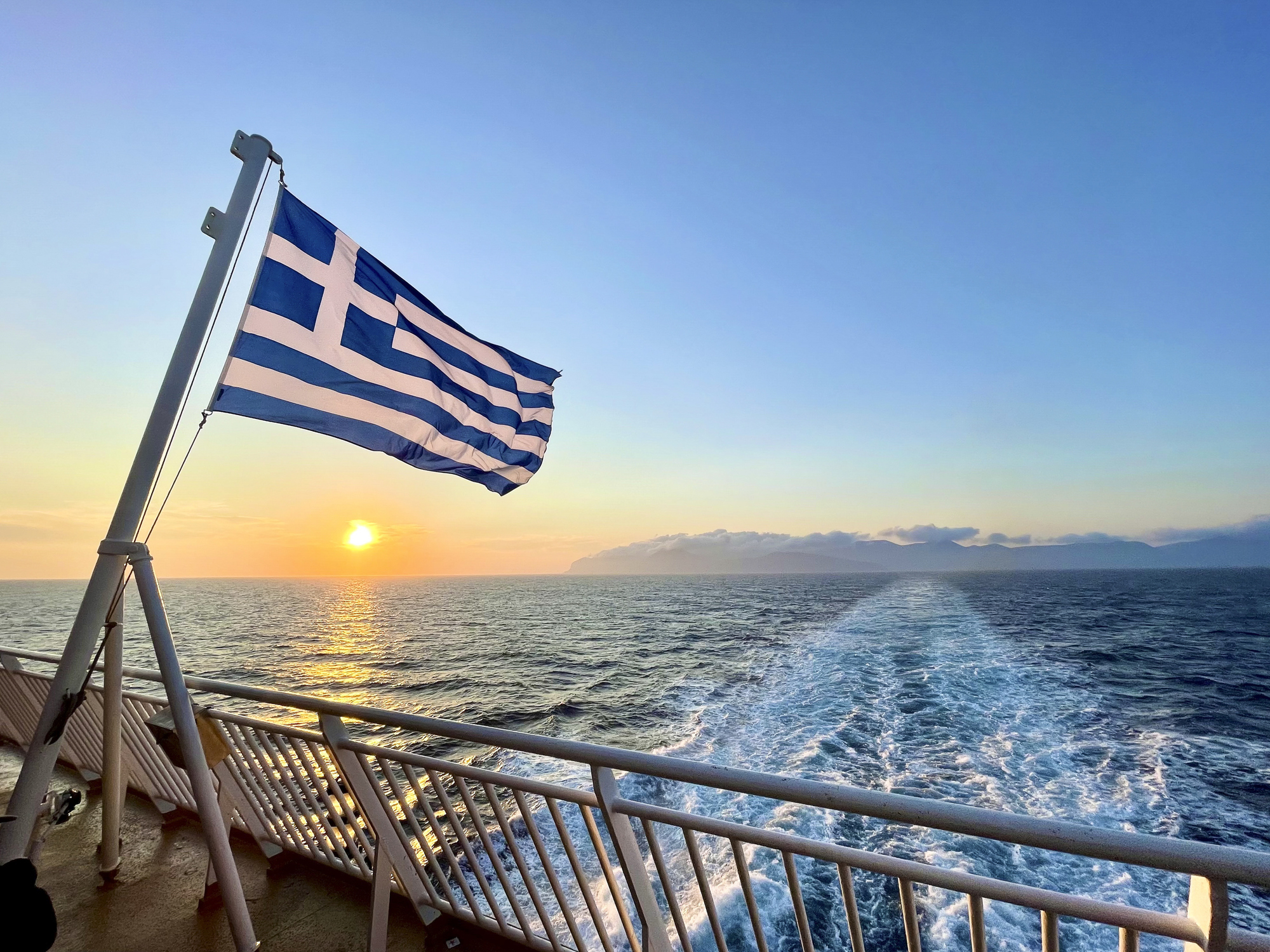
Step 5: Choose Your Destinations
Broadly Greece splits into two major parts for trips: mainland and islands. Most visitors who are coming for the first time mix both. Here are the main options in a nutshell to assist you in deciding where you should go.
Mainland
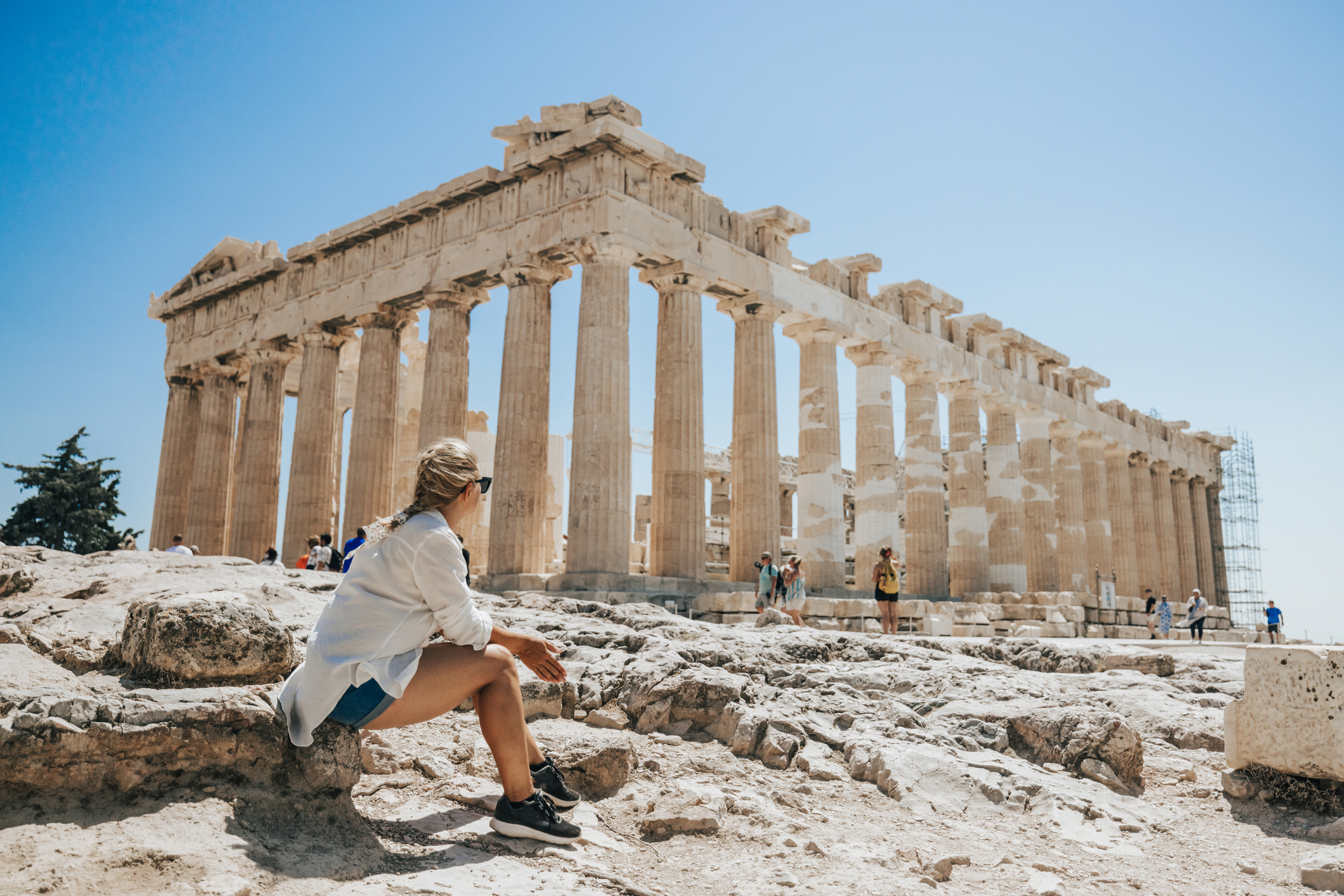
Athens (2–3 Days Recommended)
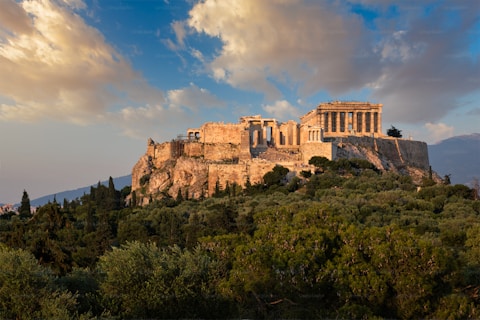
Athens is the best place to start any trip to Greece. Plan 2 – 3 days to see the Acropolis and museums, and enjoy the local food scene before you leave.
Delphi
From Athens, a half-day or even full-day excursion. This is one of the most atmospheric ancient sites in Greece. It’s also easy to make a trip to Arachova or the ski areas of Parnassos.
Meteora
Monasteries on top of huge rock formations in central Greece. Absolutely beautiful and best if you stay overnight in nearby Kalambaka. Meteora is ideal for hikers too.

Peloponnese (Nafplio, Olympia, Mycenae)
A road-trip packed region. Nafplio, which is very charming, is the best place to use as a base. You can do many things in Nafplio and the best ones are trips to Olympia, Mycenae, and Epidaurus.
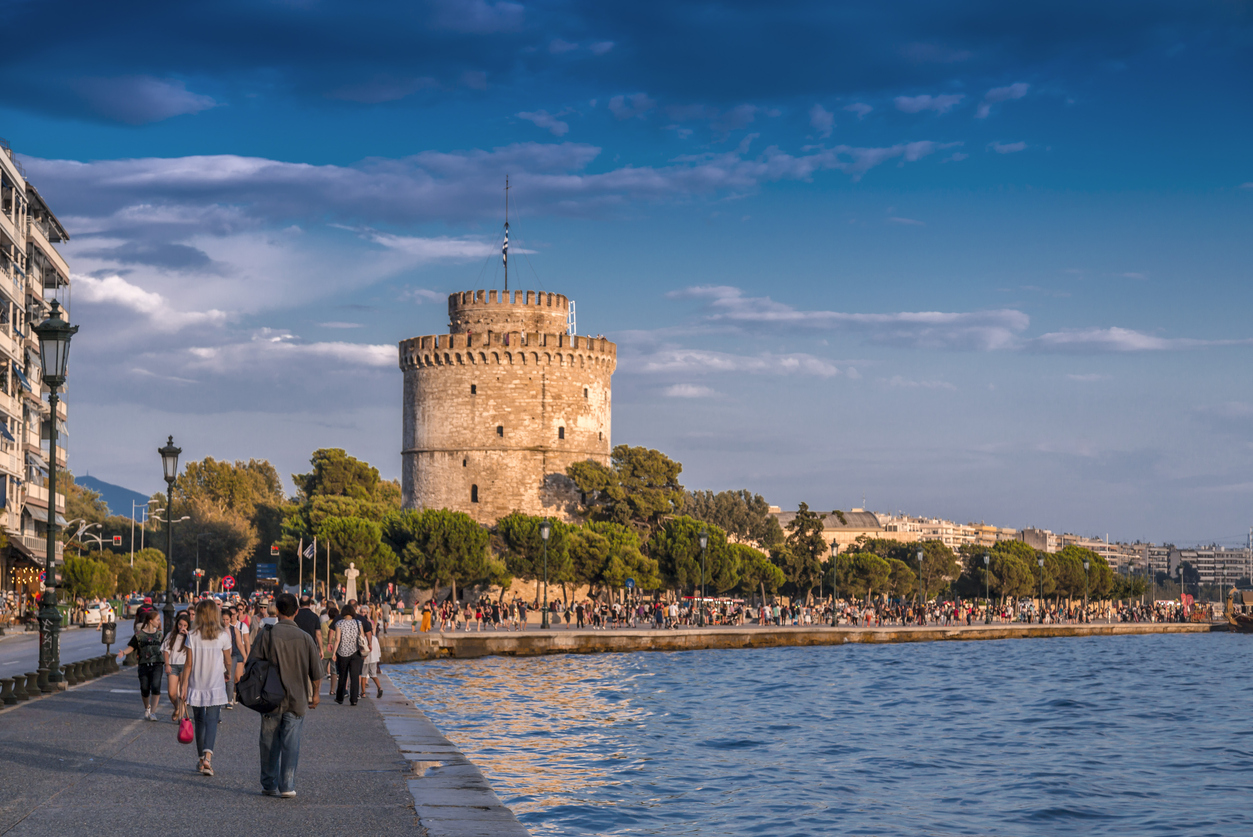
Thessaloniki
The second biggest city in Greece, with very impressive Byzantine heritage, a food scene that ranks among the best in the world, and a lively city atmosphere that is genuine. Thessaloniki offers an abundance of activities that match all travel styles!
Islands
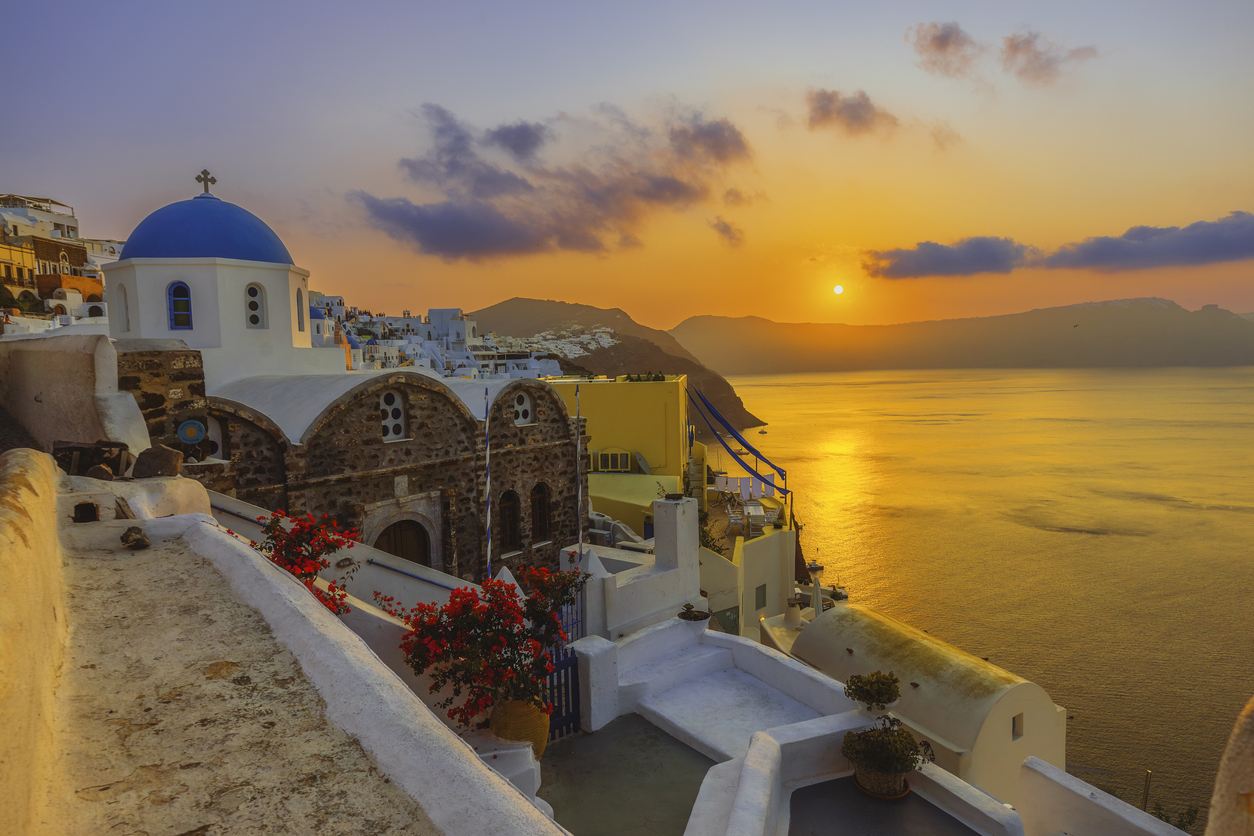
The Cyclades: Santorini, Mykonos, Naxos, Paros
The most visited island group. Santorini is a very enriching destination with its amazing views and spectacular sunsets. Mykonos is well known for its nightlife and glamour, while Naxos and Paros boast beautiful beaches more in harmony with locals, as well as lower prices.
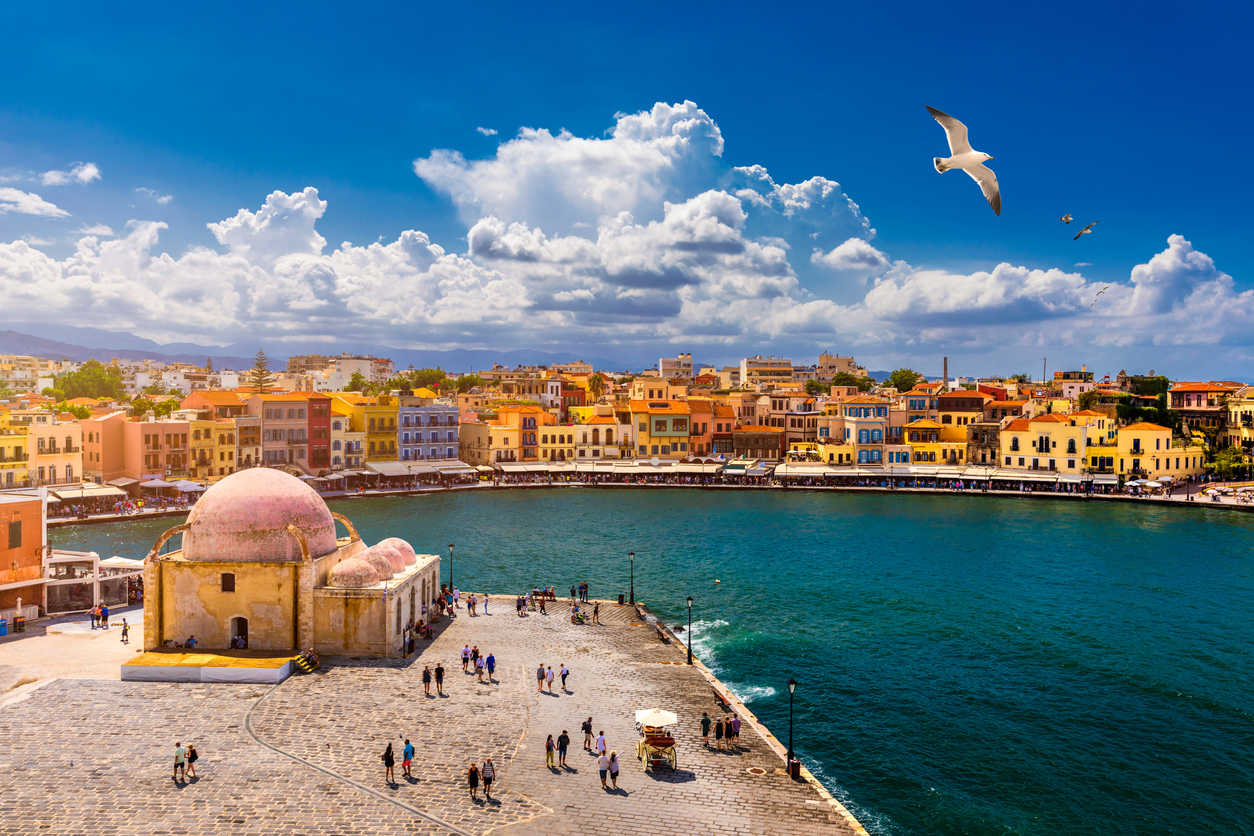
Crete
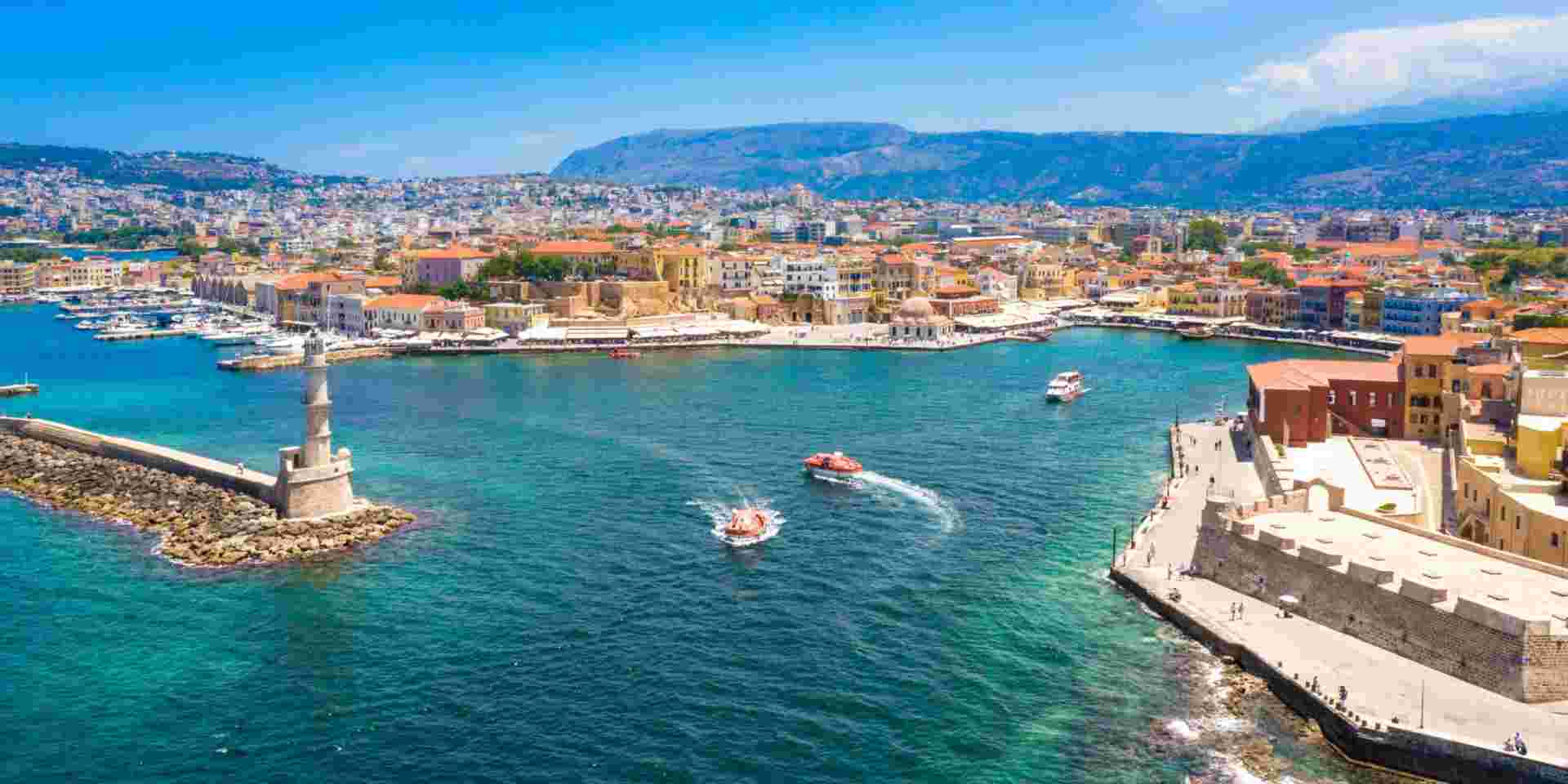
The largest Greek island that remains a treasure trove of Minoan civilization, is a gateway to spectacular gorges, tasting delicious cuisine and exploring a world of diverse experiences. Crete is a must-visit destination.
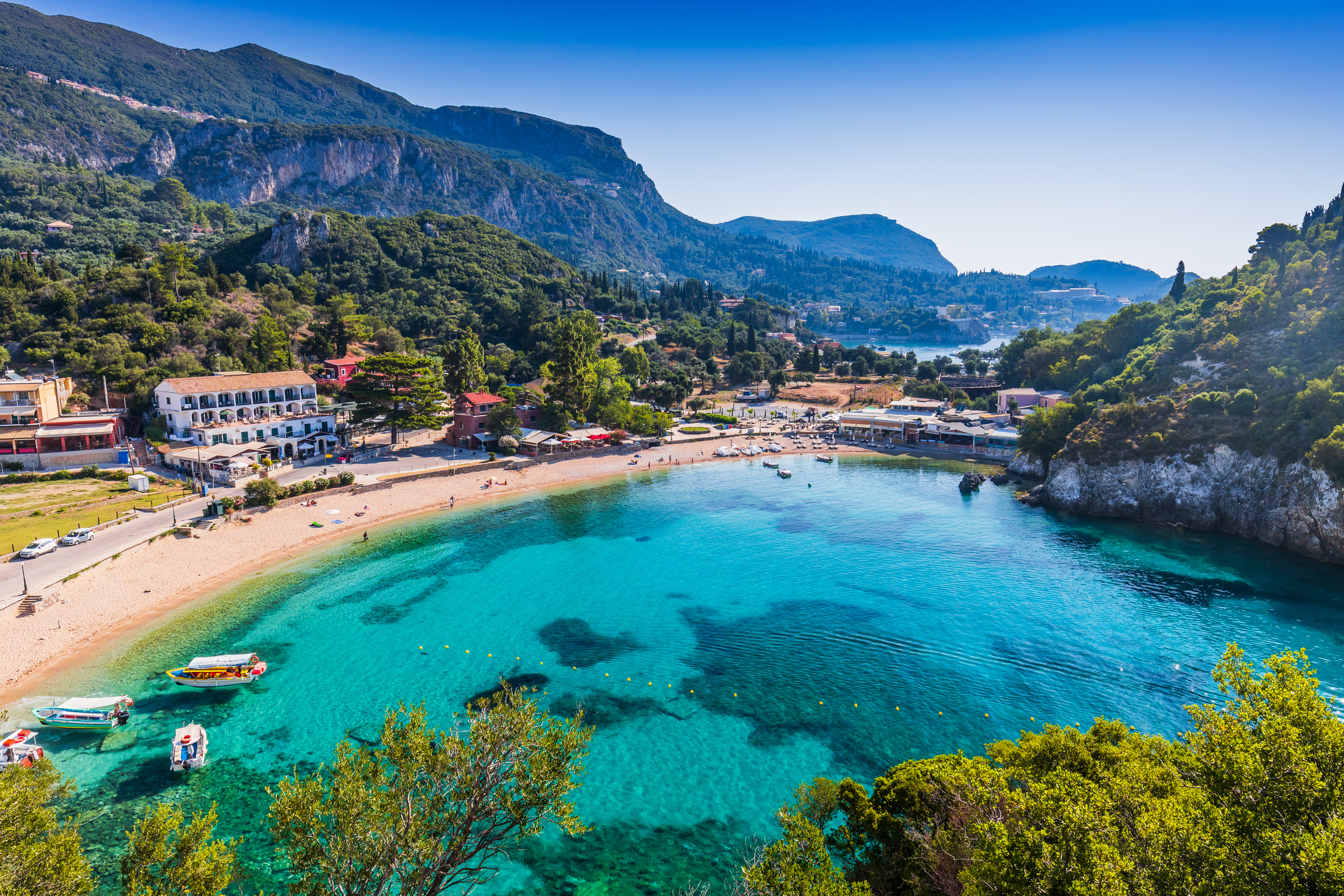
Ionian Islands: Corfu, Kefalonia
Much greener and more lush than the Aegean islands. Corfu is a beautiful island with streets full of Venetian architecture and a mix of cultures, while Kefalonia is more unspoiled and has fewer tourists.
Rhodes & Dodecanese
Rhodes Town is one of the best-preserved medieval cities in Europe. Those who want a more remote and less touristy island experience can opt for the other islands of the Dodecanese which as a whole, are less visited and more peaceful.

Step 6: Plan Your Itinerary
Once you’ve figured out the places you want to visit, the main thing is to put together an itinerary that follows a logical geographic order. Despite its small size on maps, Greece is quite a spread-out country and getting from one place to another usually takes longer than people think. A ferry ride combined with check-in and check-out can easily take up half a day.
The best advice is to limit yourself to a single region or island cluster for each vacation, particularly if your total duration is around ten days or less. For instance, if you try to combine the Cyclades with the Ionian Islands, you will probably have to go back to Athens and waste time.
So, go for the simple plan and you’ll enjoy the experience much more.
Here are three itinerary ideas to get you started:
- 5 days: 2 nights Athens, 3 nights Santorini or Naxos.
- 1 week: 2 nights Athens, 2 nights Mykonos, 3 nights Santorini. Or, 2 nights Athens, 5 nights driving around the Peloponnese.
- 10 days: 2 nights Athens, followed by a Cyclades island-hopping itinerary. Paros, Naxos, and Santorini complement each other very well with easy ferry connections. Alternatively, you could take a mainland road trip to Delphi, Meteora, and Nafplio if you don’t want islands.
No matter what your plans are, leave some spare time. Make sure you schedule your return to Athens a day before your departure so that you are not rushed, and also allow time in case the weather causes delays or cancellations.
Step 7: Book Your Flights
For most travelers, the main point of arrival is Athens International Airport, and it is also the easiest place to start your trip.
When planning a summer trip, a good idea is to make your flight reservations well in advance, about six to nine months ideally as summer is peak travel season and airfares increase drastically near the departure date. A period of three to five months should usually suffice for travel during shoulder seasons.
A very clever tactic is the open-jaw travel technique: you enter the country through Athens and then exit the country from a completely different city, like Santorini, Heraklion, or Thessaloniki, so that you do not have to do the same route twice when you are finishing your trip.
To cover long distances by air quickly, the two major domestic airlines are Aegean Airlines and its subsidiary Olympic Air, as well as Sky Express. All are reliable with modern aircraft.
Step 8: Sort Island Transport
Ferries play a crucial role in the transportation of the islands of Greece. Most of them leave from Piraeus, the main port of Athens, and some other routes may be available from Rafina and Lavrio depending on the destination.
Ferryhopper allows you to compare all routes, prices, and book directly your e-tickets. If you want to save some money you should go for a slow conventional ferry, but if you want to save time and you are willing to pay you can pick a high-speed catamaran. Conventional ferries are much cheaper and very comfortable if you don’t mind overnight crossings. High-speed catamarans are faster and as a result, more expensive and also not very comfortable in case of a rough sea.
For distant islands like Crete, Rhodes, and Corfu, domestic flights with Aegean Airlines or Sky Express are generally worth the extra money, especially if your time is limited.
Step 9: Book Accommodation
Travelling during high season, July and August in particular, requires booking accommodation well in advance. Santorini and Mykonos are usually booked months before the season, so a last minute reservation will either cost you a fortune or you will have to settle for whatever is left. On the other hand, there are more options on smaller islands and the mainland, although well-known places like Nafplio and Meteora become busy around holidays and even then it may be hard to get a room.
Greece accommodates travelers of all budgets through international hotels, family-staffed guesthouses, traditional villas and Airbnb apartments. A villa with a private pool usually gives better value for your money compared to booking multiple hotel rooms, especially for group trips to Greece with friends.
Step 10: Reserve Tickets and Activities
Don’t wait until you get there. Acropolis tickets can be sold out quite often even during the peak season so it is best to buy them online in advance. The same goes for the timed-entry tickets for the Acropolis Museum. For the major mainland sites such as Delphi, Meteora, and Epidaurus a guided tour not only provides a lot of background information but it’s also a tour more efficient, especially if you are visiting multiple sites in one day. A food tour or cooking class in Athens is one of the best ways to discover the city beyond the archaeological sites.
Essential Things to Know Before You Go
A few practical details that will save you time, money, and the occasional awkward moment:
- Visa requirements: US, UK, and EU citizens can visit Greece visa-free for up to 90 days. Ensure your passport is valid for at least three months beyond your departure date.
- Do not flush toilet paper: Greek plumbing cannot handle it. Use the bin next to the toilet. It is standard practice throughout the country.
- Carry cash: Cards are widely accepted in cities and larger hotels, but smaller tavernas, village shops, and island businesses are often cash-only.
- Medication restrictions: Certain medications including codeine and diazepam are strictly controlled in Greece. Check with the Greek embassy before you travel if you carry prescription medication.
- Dress modestly at religious sites: Shoulders and knees must be covered when entering churches and monasteries. Carry a light scarf or layer for this.
- Tipping: Not mandatory, but appreciated. Around 5–10% at restaurants and rounding up the fare for taxis is the norm.
- Driving: A standard licence is accepted, but an International Driving Permit is recommended when renting a car. Driving on the mainland is straightforward; island roads can be steep and narrow.
- Book airport and port transfers in advance: Agree a fixed price before you get in. Hailing an unmarked taxi without agreeing a fare first is an invitation for overcharging.
Is It Safe to Travel to Greece?
Greece is one of the safest countries in Europe and very welcoming to tourists. Locals are very friendly and even women who travelled alone, say that they felt comfortable everywhere in the country. Of course, like any other country, ordinary vigilance in crowded tourist spots is a good idea. There are the occasional pickpocketers and scammers but other than that, nothing too serious to worry about.
Common Planning Mistakes to Avoid
A little awareness goes a long way. Here are the most common pitfalls to sidestep:
- Trying to visit too many islands: Stick to one island group per trip. Mixing the Cyclades with the Ionian Islands, for example, means backtracking through Athens and losing days to logistics.
- Not booking ferries in advance: In peak season, popular routes fill up fast. Book as early as possible, especially for Santorini, Mykonos, and Crete.
- Scheduling tight connections after a ferry: Ferries can be delayed by weather or strikes. Never book a flight or onward transfer immediately after a ferry crossing.
- Underestimating Santorini and Mykonos: Both are stunning but extremely crowded and expensive in summer. Go in prepared, or consider Paros or Naxos for a more relaxed and affordable alternative.
- Leaving Acropolis tickets to the last minute: They sell out regularly in peak season. Book online before you leave home.
- Over-scheduling each day: Greece is a destination that rewards those who slow down. Leave room for an unplanned taverna, a longer beach afternoon, or simply getting pleasantly lost.
Start Planning Your Trip to Greece
Knowing how to plan a trip to Greece is one thing but actually putting all the pieces together is a whole different story. Greece is definitely one of those places which deliver what they promise. History, fantastic islands, delicious food, and some of the friendliest people in Europe. With enough planning, it is possible to open the gates of Greece to all kinds of travellers and to all ranges of budgets.
If you are thinking about turning your plans into an actual trip, get in touch with Greece Insiders. Share your travel aspirations, the places you want to visit, and budget and we will prepare a tailor-made trip that meets your requirements with clear prices, no extra charges, and without any of the uncertainties.
Feeling Ready?
From our blog
Aliki Beach, Paros: Three Beaches, One Name
READ MORE
Ioannina, Greece: The Lake City Between Athens and Corfu
READ MORE
Kalamata, Greece: How to Get There, What to See, When to Go
READ MORE
Logaras Beach, Paros: Where to Swim When the Sun Bites
READ MORE
Athens to Santorini: Ferry or Flight? (2027 Guide)
READ MORE
Athens to Santorini: Ferry or Flight? (2027 Guide)
READ MORE
Piso Livadi Beach, Paros: Sand, Tavernas and the Boat Out
READ MORE
Aegina, Greece: A Practical Island Guide (2026)
READ MORE
Spetses, Greece: Everything you need to know (2026)
READ MORE