Weather Rome Guide: What to Expect Month by Month
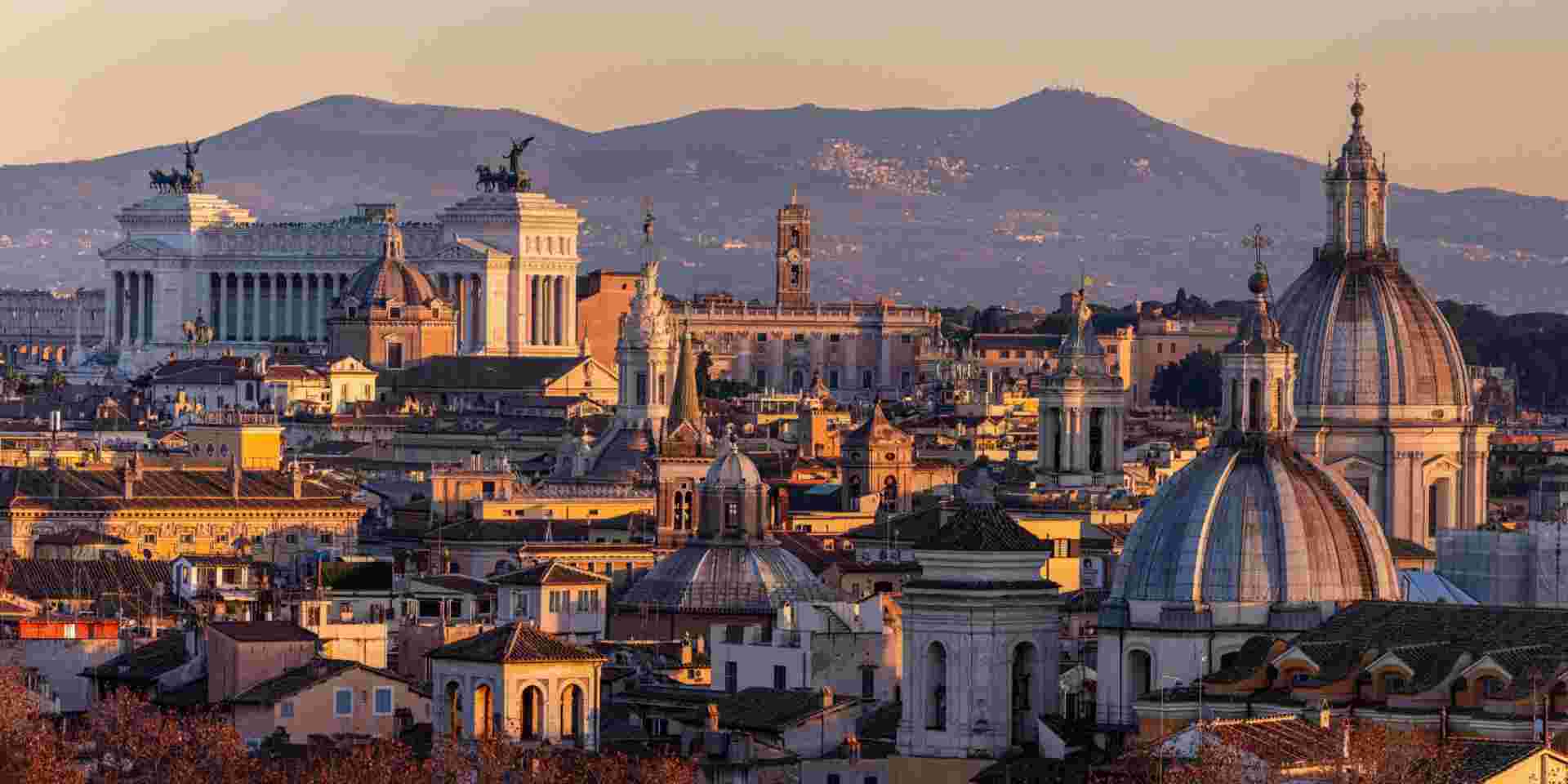
Rome weather is a major determinant of how much you will enjoy the capital of Italy. The city experiences hot, dry Mediterranean summers, mild but wet winters and pleasant shoulder seasons. But, beyond the temperature, also important is the “feel” of the day that matters, with factors like shade and humidity coming into play.
This guide will cover the weather in Rome on a detailed month-by-month basis, with information on temperature, rainfall, and sunshine. We will also talk about the best time to visit, what to wear, and how to adjust the planning for heat and crowds.
Rome’s Climate at a Glance
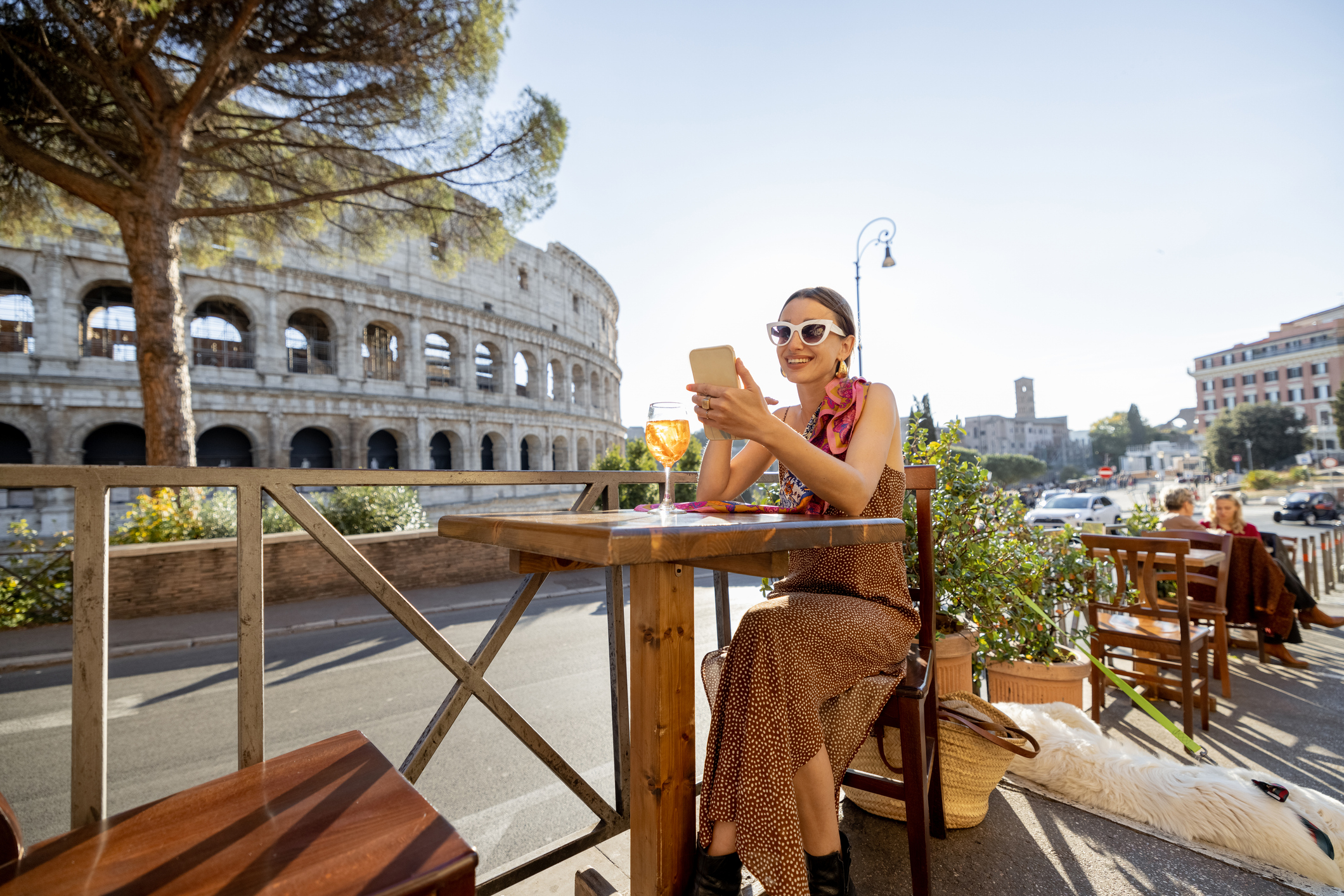
Rome experiences a hot-summer Mediterranean climate (Köppen Csa): summers are hot and dry while winters are mild and wet. But, there are considerable variations in temperature and rainfall throughout the year plus two warm and comfortable shoulder seasons. Basically, the weather in Rome is pleasant and sunny as the city gets an average of 800mm of rainfall every year, mainly in the autumn and winter months whereas rain in June to August is almost non-existent.
Typical Temperatures by Season
Rome’s temperature swings at around 20°C between deep winter and high summer. Winters in Rome are mild, spring and autumn are comfortable enough to wear a light shirt the whole day. Summer becomes quite hot. August is the warmest month, with average high temperatures close to 31°C, and days over 35°C becoming more common in recent years.
| Season | Avg daytime high | Avg overnight low |
| Winter (Dec – Feb) | 12 – 13°C / 54 – 55°F | 3 – 5°C / 37 – 41°F |
| Spring (Mar – May) | 16 – 23°C / 61 – 73°F | 6 – 12°C / 43 – 54°F |
| Summer (Jun – Aug) | 28 – 31°C / 82 – 88°F | 16 – 19°C / 61 – 66°F |
| Autumn (Sep – Nov) | 16 – 27°C / 61 – 81°F | 8 – 16°C / 46 – 61°F |
Rainfall, Sunshine, and Humidity Throughout the Year
Rome receives about 800mm of rain per year. Late autumn is the wettest period, with the most rain falling in November. July is the driest month. The pattern of sunshine is the reverse: in July there are on average almost 11 hours of sunshine per day, whereas in December the figure falls to less than four hours. Humidity is at its highest level in November and at its lowest in July. The sea temperature reaches about 26°C in August, in case the coast is on your radar.
| Season | Rainfall (per month) | Sunshine (per day) | Humidity |
| Winter (Dec – Feb) | High: up to ~100mm | ~4 hrs (Dec lowest) | ~75 – 80% |
| Spring (Mar – May) | Easing off | ~6 – 8 hrs | ~70% |
| Summer (Jun – Aug) | Very low: ~15 – 30mm | ~10 – 11 hrs (Jul peak) | ~60 – 65% |
| Autumn (Sep – Nov) | Rising: Nov wettest (~115mm) | ~4 – 6 hrs | ~75 – 80% |
When is the Best Time to Visit Rome?
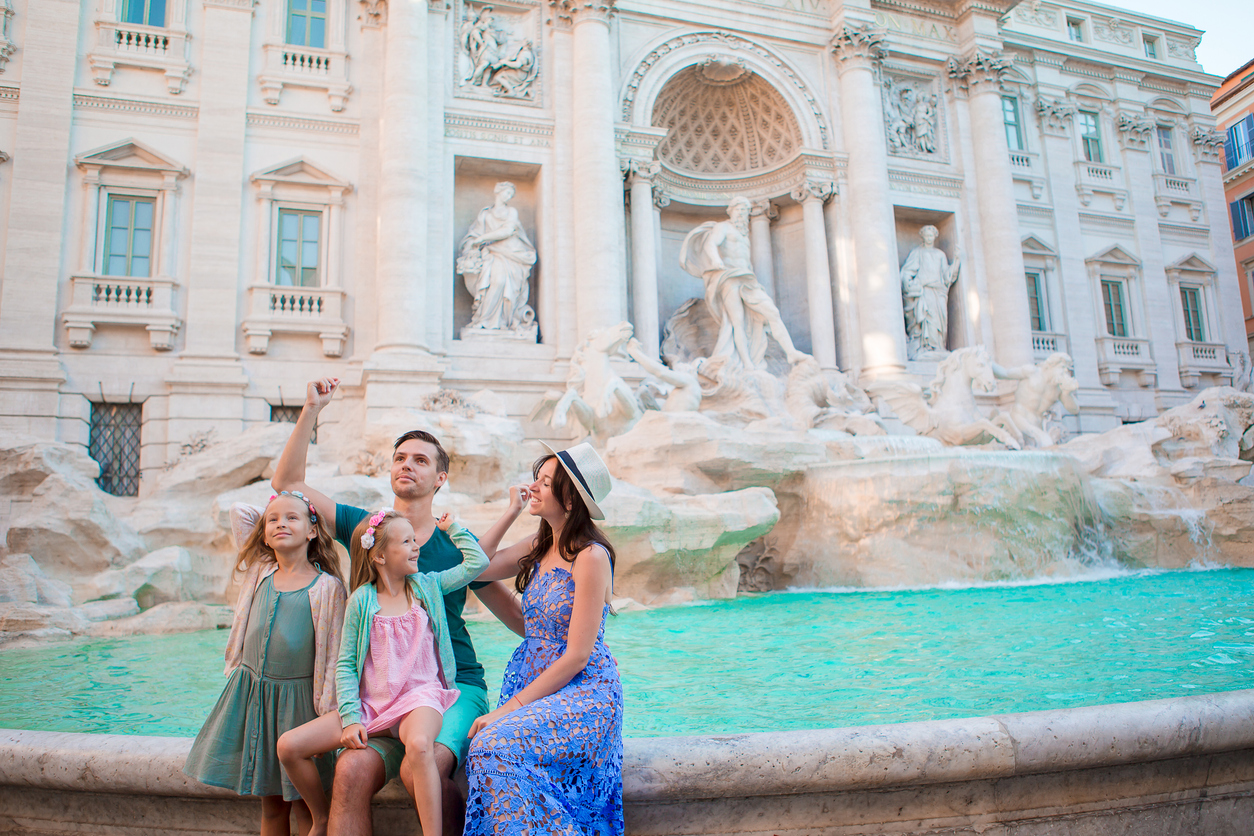
The best time to visit Rome is mid-April – May or late September – October, periods that are particularly popular for senior travel in Italy thanks to the pleasant temperatures and manageable crowds. The daytime temperatures are comfortably high at around 20-25°C, rain is moderate, and the biggest summer crowds have already moved away, making sightseeing a lot more enjoyable. July and August are the sunniest but they also come with hot temperatures and larger crowds. On the contrary, November – February is still relatively mild and quiet, albeit wetter.
What to Pack for Rome
- Pack for Rome by season, but a few essentials apply all year:
- Year-round: broken-in walking shoes (the city’s sampietrini cobblestones punish flimsy sandals), plus a scarf or wrap. Churches and St. Peter’s enforce a covered-shoulders-and-knees dress code that catches out summer visitors in vests and shorts.
- Summer: a hat, sunscreen and a refillable bottle for Rome’s free nasoni drinking fountains.
- Winter: layers and a light rain jacket.
Rome Weather by Month
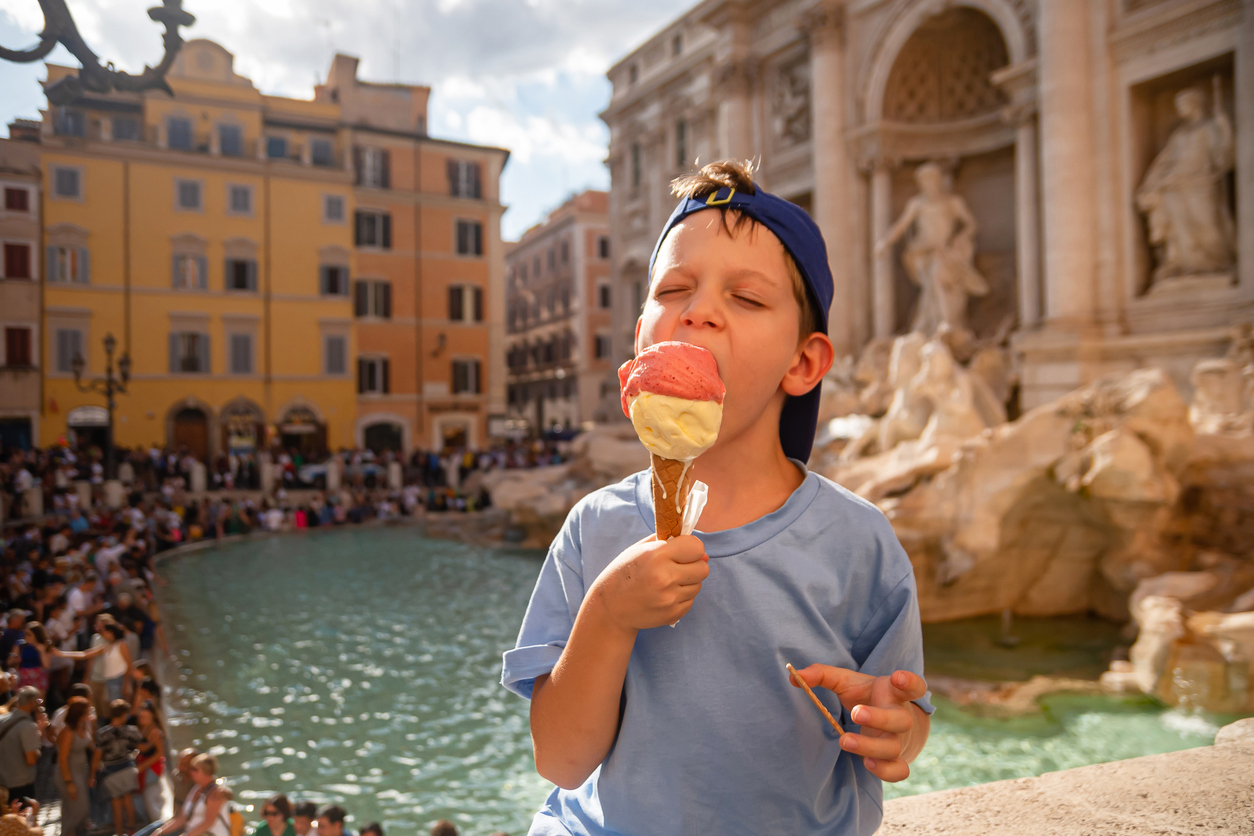
Rome’s weather changes so much from month to month that the time of year really will affect your visit. This guide first lists the monthly temperature and rainfall figures in a table format and then describes the actual weather in the months on the ground (from crisp, quiet winters, to scorching summer afternoons and the beautiful comfortable light of the shoulder seasons) that will help you match your plans to the time of year.
| Month | Avg high | Avg low | Rainfall | Quick take |
| January | 12°C (54°F) | 3°C (37°F) | 67mm | Cold, crisp, quiet, winter sales |
| February | 13°C (55°F) | 4°C (39°F) | 73mm | Mild, second-wettest, Carnevale |
| March | 16°C (61°F) | 5°C (41°F) | 58mm | Spring stirs, variable, fewer crowds |
| April | 18°C (64°F) | 8°C (46°F) | 81mm | Blooms and showers, Easter crowds |
| May | 23°C (73°F) | 12°C (54°F) | 53mm | Warm and vibrant, prime sweet spot |
| June | 27°C (81°F) | 15°C (59°F) | 34mm | Hot, long days, drying out |
| July | 30°C (86°F) | 18°C (64°F) | 19mm | Hottest and driest, intense sun |
| August | 31°C (88°F) | 19°C (66°F) | ~32mm | Peak heat, Ferragosto closures |
| September | 27°C (81°F) | 15°C (59°F) | ~73mm | Warm and golden, rain returns |
| October | 21°C (70°F) | 11°C (52°F) | 113mm | Mild, beautiful light, wetter |
| November | 16°C (61°F) | 7°C (45°F) | 115mm | Wettest month, mild, low-season |
| December | 13°C (55°F) | 4°C (39°F) | 81mm | Cool, festive lights |
Weather in Rome in January
January is the coldest month in Rome. The daytime temperature averages around 12°C (54°F) and at night the temperature can drop as low as 3°C (37°F). The city experiences about 67mm of rainfall spread over seven days or so. Besides that, it has the shortest daytime of the year and the sun goes down by 5 PM. It is also the quietest time in Rome. The museum lines are short and there are winter sales. Taking a warm coat is a good idea if you want to enjoy the city without the crowds.
Weather in Rome in February
February is still mild but also among the wettest months with 73mm of rain, second only to autumn. The daytime temperature may reach 13°C (55°F), and after-dark they usually drop to 4°C (39°F). Days are longer than in January and your trip might line up with Carnevale when the piazzas are filled with costumed celebrations before Lent. Don’t forget to take a raincoat with you.
Weather in Rome in March
March is when spring begins. Temperatures reach 16°C (61°F) and the nights are cooler (around 5°C / 41°F). Rainfall decreases to about 58mm as days get longer and light becomes more pleasant. It is a very changeable month, with sunny afternoons that can be followed by sudden showers. Yet, throughout this month, the crowds are quite thin, making March a wise choice for sightseeing. Pack layers.
Weather in Rome in April
April is a wonderful time to see Rome as one of the most beautiful months of spring. Temperatures range from 18°C (64°F) to 8°C (46°F). But, April can fool you. It is wetter than March with approximately 81mm of rain. So, definitely take an umbrella with you. Easter also coincides with April and this is one of the busiest times of the year. So, if you are thinking of getting tickets for the Vatican or other places of interest, you should do it very early and definitely online.
Weather in Rome in May
Generally, May is ideal for visiting Rome and is often considered one of the best periods for honeymoon travel in Italy. Temperatures get up to a very pleasant 23°C (73°F), nights at about 12°C (54°F), and rain is only around 53mm. And, nature blooms, evenings are comfortable enough to enjoy dinner on a terrace, and a light sea breeze is always present, even when temperatures are at their highest. Just expect prices and crowds to climb.
Spring is one of the most romantic times to experience Italy’s classic trio of Rome, Florence and Venice, with pleasant weather and fewer crowds.
Weather in Rome in June
Summer arrives in June with temperatures reaching 27°C (81°F) and very pleasant nights at about 15°C (59°F), making it a popular time for family travel in Italy before the peak summer crowds arrive. There is hardly any rain, only around 34mm. Besides, June is the month with the longest daylight, with the sun up past 9 PM. So, you should start your sightseeing early, carry water with you during the day, and spend your midday in the shade or have a long lunch while exploring the many things to do in Rome.
Rome is easy to explore with children thanks to its mix of history, interactive attractions and family-friendly neighborhoods.
Weather in Rome in July
July sees the highest temperatures, least rain, and most sunshine in Rome. On average, the temperature reaches a maximum of about 30°C (86°F). Residents of the city enjoy around 11 hours of sunshine per day. Rain is scarce with the total amount of precipitation at only 20mm, spread over a few days, but the UV index is at its yearly maximum. As the Forum and Colosseum offer very little shade, it would be wise to schedule your visits early in the morning or in the evening. Don’t forget to stay hydrated by drinking from the city’s free nasoni fountains.
Weather in Rome in August
August is generally considered the hottest month. The average temperature reaches 31°C (88°F), and during summer heatwaves, temperatures can rise to more than 35°C. One notable thing is Ferragosto (15 August): many Romans head to the seaside, and a surprisingly large number of shops and family-run trattorias close for the holiday. Rainfall remains very light, breaking the long summer dry spell.
Weather in Rome in September
September gradually transitions Rome out of the hottest part of summer. Yet, daytime temperatures remain quite high at about 27°C (81°F), while nights stay comfortably cool at around 15°C (59°F). Peak heat is no longer present and the sunlight becomes a warm, golden color. Precipitation increases to roughly 73mm, so the occasional shower cannot be ruled out. Since the sea remains warm and the Ferragosto crowds are gone, September is one of the most enjoyable months to visit Rome and a great period for group travel with friends in Italy.
Many travellers combine Rome and the Amalfi Coast with the charming seaside towns around Sorrento.
Weather in Rome in October
October is a favourite among seasoned visitors: mild temperature at 21°C (70°F) during the day and 11°C (52°F) at night, with a soft autumn light really enhancing the beauty of the ancient ruins. The challenge though is the rain which amounts to about 113mm, making it one of the wettest months in Rome, so carrying an umbrella is a must. Plan your time outside around the sunny periods and have at least one or two indoor museums on standby.
Weather in Rome in November
November is the rainiest month in Rome, with an average precipitation of 115mm, so having waterproof clothing is necessary. Temperatures remain fairly warm until the end of autumn with the highest reaching about 16°C (61°F) and the lowest around 7°C (44°F). Daylight decreases as the month progresses. On the bright side, there is the tranquillity of low-season: less tourists, easier to find a table in restaurants and prices going down, with rainy spells being easily replaced by visits to galleries and long lunches.
Weather in Rome in December
Compared to the rest of Europe, December is quite mild with the sunniest days reaching only a little over 13°C (55°F), while the nights can be cold 4°C (39°F). 81mm of rainfall is distributed throughout the month, so besides layers of clothing do not forget your waterproof jacket. The thing that really attracts most tourists is the Christmas spirit: the decorations, gift stalls and the Nativity scene in St. Peter’s Square create such a wonderful atmosphere, especially for families planning Rome with kids during the festive season.
Final Thoughts
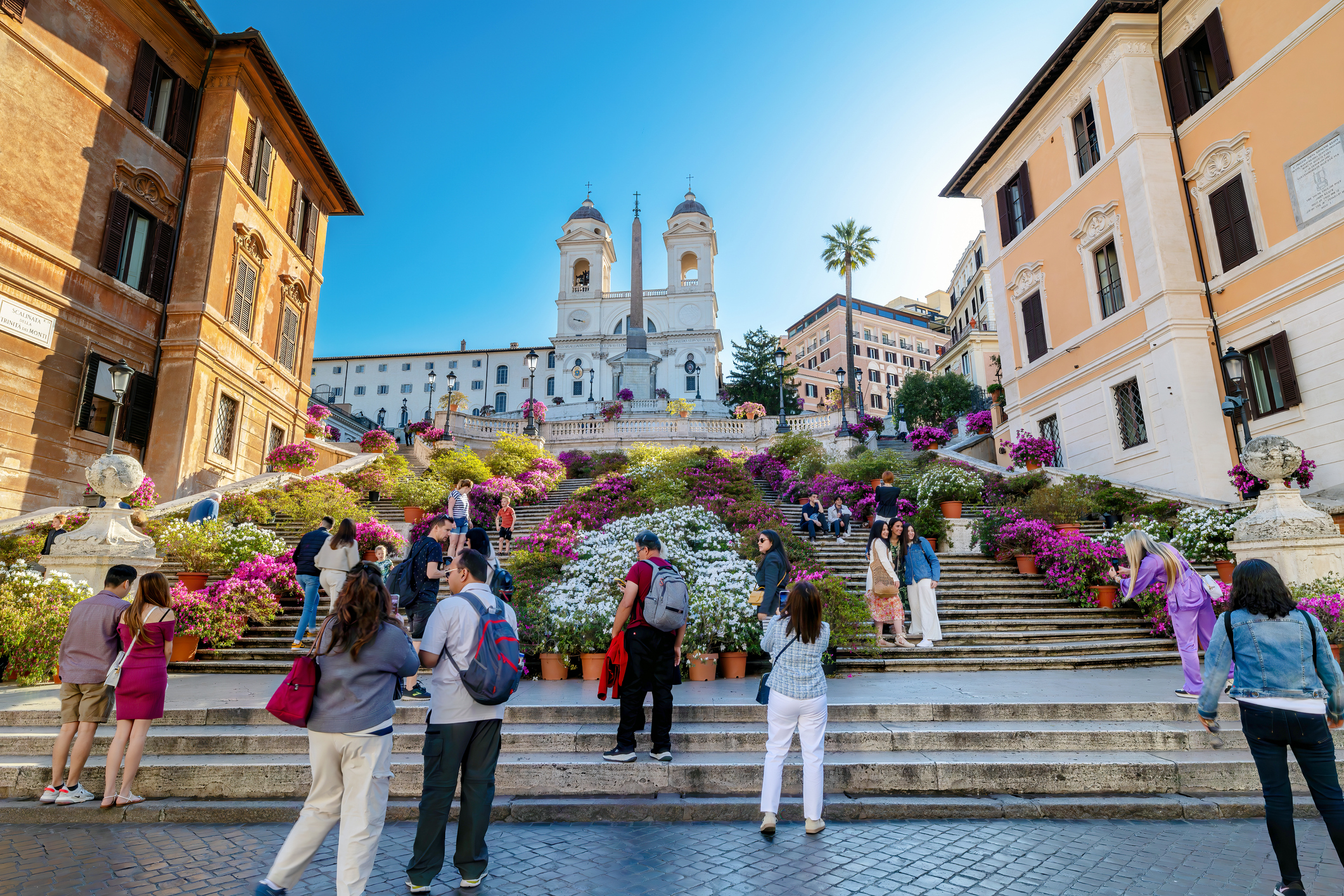
Rome weather varies from season to season and month to month. As you would expect, it’s colder in the winter, hot during summer, rainy in the afternoon and somewhere in the middle in spring. So, planning around it is the best way to see what activities and places to visit you will include in your itinerary. Thus, you ensure you will make the best out of your trip and you won’t end up soaking in sweat or shivering while trying to visit the Colosseum.
Would you rather enlist the help of experts to make sure weather won’t spoil your trip to Italy? Then, consult with Greece Insiders! We offer ready-made packages for trips to not only Rome, but Italy in general as well as Greece. Or, you could ask for a private itinerary, designed around your preferences!
Feeling Ready?
From our blog
Aliki Beach, Paros: Three Beaches, One Name
READ MORE
Ioannina, Greece: The Lake City Between Athens and Corfu
READ MORE
Kalamata, Greece: How to Get There, What to See, When to Go
READ MORE
Logaras Beach, Paros: Where to Swim When the Sun Bites
READ MORE
Athens to Santorini: Ferry or Flight? (2027 Guide)
READ MORE
Athens to Santorini: Ferry or Flight? (2027 Guide)
READ MORE
Piso Livadi Beach, Paros: Sand, Tavernas and the Boat Out
READ MORE
Aegina, Greece: A Practical Island Guide (2026)
READ MORE
Spetses, Greece: Everything you need to know (2026)
READ MORE